
Film & Television

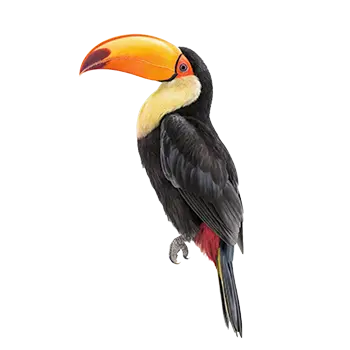
Toucans have enjoyed a colorful presence in film and television, frequently cast as exotic companions or comic relief characters in productions set in tropical environments. Animated films and television series have been especially receptive to the toucan's visual appeal, using its oversized bill and vivid plumage to create memorable characters that resonate with audiences of all ages. The bird's naturally expressive appearance translates well to animation, where its proportions lend themselves to exaggerated, endearing character designs.

In live-action nature documentaries, toucans are perennial favorites. Programs produced by major broadcasters have devoted segments and entire episodes to toucan behavior, ecology, and conservation, bringing the birds into living rooms around the world. These documentaries have played an important role in shaping public perception of toucans, presenting them as charismatic inhabitants of imperiled tropical forests and fostering sympathy for conservation causes.

Toucans have also appeared as supporting characters or visual motifs in live-action feature films set in Latin American or tropical settings. Their distinctive silhouette is often used by filmmakers as an immediate visual cue to establish a jungle or rainforest environment. Even brief appearances by toucans on screen tend to leave a lasting impression on viewers, reinforcing the bird's status as an icon of the tropics.

The toucan's screen presence has contributed to a broader cultural awareness of neotropical birdlife. By appearing in popular entertainment, toucans have introduced millions of viewers to the diversity and beauty of tropical avian species, sparking interest in birdwatching, ecotourism, and wildlife conservation among audiences who might never otherwise encounter these birds.

Literature & Art

Toucans have been a subject of artistic fascination since European naturalists first documented them in the sixteenth century. Early natural history illustrations depicted toucans with meticulous attention to their plumage and bill coloration, and these images circulated widely through printed volumes and scientific journals. The work of nineteenth-century ornithological illustrators helped establish the toucan as one of the most visually recognizable birds in Western art and science.

In fine art, the toucan has appeared in works ranging from colonial-era still lifes to modern and contemporary paintings. Latin American artists have embraced the toucan as a symbol of regional identity and natural heritage, incorporating it into murals, prints, and mixed-media works. The bird's bold colors and graphic silhouette have made it a favorite subject for artists working in styles that emphasize pattern, color, and form.

In literature, toucans feature in children's books, nature writing, and fiction set in tropical environments. Children's literature in particular has embraced the toucan as a character, using its distinctive appearance and playful demeanor to engage young readers. Educational books about rainforest ecosystems routinely include toucans as representative species, helping children learn about biodiversity and conservation.

The toucan's influence extends into decorative and applied arts as well. Its image appears on textiles, ceramics, wallpapers, and home accessories, often as part of tropical or botanical design themes. This widespread use in decorative contexts has made the toucan a staple of interior design trends that draw on natural and exotic motifs, further embedding the bird in everyday visual culture.

Internet & Social Media

The rise of social media and digital content platforms has given toucans an entirely new stage on which to captivate audiences. Videos and photographs of pet and wild toucans routinely attract millions of views on platforms such as YouTube, Instagram, and TikTok. The birds' playful antics, curious personalities, and striking visual appeal make them natural stars in the attention-driven economy of social media.

Several individual toucans have achieved celebrity status online, with dedicated social media accounts attracting hundreds of thousands of followers. These accounts, often maintained by aviculturists or wildlife rehabilitators, showcase daily life with toucans and provide educational content about their care, diet, and natural history. The popularity of these accounts has significantly raised public awareness of toucans as living animals, moving beyond their familiar role as cartoon characters or brand mascots.

The toucan has also become a popular subject in digital art, graphic design, and meme culture. Its bold, graphic appearance lends itself to stylized illustrations, emoji-style icons, and humorous image macros. Designers and illustrators frequently use the toucan's silhouette as a motif in branding, app icons, and digital products, drawing on its associations with color, fun, and tropical energy.

However, the social media spotlight has also raised concerns within the avicultural and conservation communities. Some experts worry that viral toucan content may encourage impulse purchases of toucans as pets by viewers who are unprepared for the complexities of toucan ownership. Responsible content creators have responded by including educational disclaimers and emphasizing the specialized care that toucans require, aiming to balance entertainment with informed messaging.

Advertising & Branding

No discussion of toucans in popular culture is complete without acknowledging the bird's extraordinary impact in the world of advertising and branding. The most famous commercial toucan is undoubtedly the cartoon mascot associated with a well-known fruit-flavored breakfast cereal, a character that has been in continuous use since the 1960s. This mascot became one of the most recognized advertising characters in North America, cementing the toucan's image in the minds of generations of consumers.

Beyond the cereal aisle, toucans have been adopted as brand symbols by companies in industries ranging from beverages and tourism to technology and fashion. The bird's vivid coloration and distinctive profile make it an effective logo element, conveying qualities such as vibrancy, fun, approachability, and tropical flair. Breweries, airlines, resort chains, and software companies have all employed toucan imagery in their branding at various times.

In tourism marketing, the toucan is a go-to visual for destinations across Central and South America and the Caribbean. Tourism boards and travel companies use toucan imagery to evoke the natural beauty and adventure potential of tropical destinations, appealing to travelers seeking wildlife encounters and ecotourism experiences. This marketing use has reinforced the toucan's role as an ambassador for tropical regions.

The commercial success of toucan branding has had mixed implications for the species. On the positive side, widespread brand recognition has kept toucans in the public consciousness and may contribute to general goodwill toward conservation efforts. On the other hand, the heavy commercialization of the toucan's image can sometimes reduce the bird to a decorative motif, obscuring the real ecological and conservation challenges that wild toucan populations face.

The Popularity Effect

The toucan's outsized presence in media and branding has had tangible effects on public attitudes, pet ownership trends, and conservation awareness. Surveys of public wildlife recognition consistently rank the toucan among the most identifiable bird species worldwide, a remarkable achievement for a family of birds that most people outside the tropics will never see in the wild. This recognition is almost entirely attributable to the toucan's cultural and commercial visibility.

The popularity effect has driven increased interest in toucan keeping, particularly in North America and Europe. Following viral social media posts or popular film appearances, aviculturists and breeders often report spikes in inquiries from prospective toucan owners. While this interest has expanded the avicultural community and funded breeding programs, it has also raised concerns about uninformed ownership and the welfare of birds purchased on impulse.

In the conservation sphere, the toucan's popularity has proven to be a double-edged sword. On one hand, the bird's fame makes it an effective flagship species for fundraising and awareness campaigns. Conservation organizations have successfully leveraged the toucan's recognizability to draw attention to deforestation, habitat loss, and the illegal wildlife trade. On the other hand, the bird's ubiquity in commercial contexts can create a false sense of abundance, leading the public to underestimate the threats facing wild populations.

Ultimately, the toucan's journey through popular culture illustrates the complex relationship between media visibility and real-world outcomes for wildlife. The challenge for conservationists and educators is to harness the toucan's cultural capital in ways that translate into meaningful action, ensuring that the bird's fame serves as a force for protection rather than exploitation.

Always consult a qualified professional before making any health-related decisions. This content is provided for informational reference only and should not replace professional guidance specific to your animal.