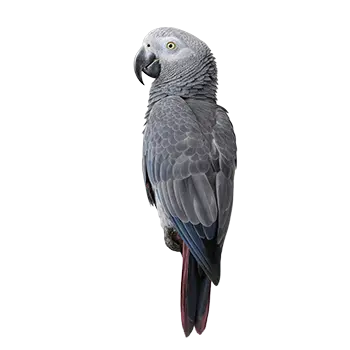

Preparing Your Timneh for Travel

Successful travel with a Timneh African Grey begins well before the day of departure. These intelligent, routine-oriented birds are sensitive to environmental change, and preparation that reduces novelty and stress during the journey pays significant dividends in the bird's comfort and safety. The first step is selecting an appropriate travel carrier. For a Timneh, which typically measures nine to eleven inches in length, a carrier designed for medium-sized parrots is ideal. The carrier should be sturdy, well-ventilated on at least three sides, and equipped with a secure door latch that the bird cannot manipulate. Hard-sided carriers with stainless steel grate doors are generally preferred over soft-sided options, as they offer better structural protection and are easier to clean.

Carrier acclimation is essential and should begin weeks or even months before the planned trip. Place the carrier in the bird's living area with the door open, allowing the Timneh to explore it at its own pace. Offering treats and favorite foods inside the carrier helps build a positive association. Over time, begin closing the door for short intervals while remaining in the room, gradually extending the duration as the bird becomes comfortable. A Timneh that views its carrier as a familiar, safe space will travel with considerably less anxiety than one introduced to the carrier on the day of departure.

A pre-travel veterinary examination is strongly recommended, particularly for longer journeys or any trip that will cross state or national borders. An avian veterinarian can assess the bird's overall health, ensure that vaccinations and parasite treatments are current, and issue a health certificate if required by the destination's regulations. The veterinary visit also provides an opportunity to discuss any travel-specific concerns, such as the advisability of mild sedation, which most avian veterinarians discourage, or strategies for managing a bird with a history of motion sensitivity or travel anxiety.

Assembling a travel kit ensures that essential supplies are readily accessible throughout the journey. The kit should include the bird's regular pellet food, a selection of fresh produce that travels well, a water bottle or spill-resistant dish, a small first-aid kit containing styptic powder and basic wound care supplies, copies of all relevant documentation including health certificates and CITES paperwork, and a lightweight cover for the carrier that can be used to reduce visual stimulation during stressful phases of the trip. Having these items organized and within reach prevents the need to search through luggage during moments when the bird may need immediate attention.

Air Travel Regulations & Airline Policies

Air travel with a Timneh African Grey requires careful navigation of both regulatory requirements and individual airline policies, which can vary substantially between carriers and change with limited notice. In the United States, domestic air travel with a pet bird is governed primarily by the policies of the airline rather than by federal regulation, though the U.S. Department of Transportation and the Animal and Plant Health Inspection Service maintain oversight authority. Most major U.S. airlines permit small to medium-sized birds to travel in the cabin as carry-on pets, provided they are housed in an airline-approved carrier that fits under the seat in front of the passenger. Fees for in-cabin pet travel typically range from seventy-five to several hundred dollars per flight segment.

Not all airlines accept birds, and among those that do, policies regarding species restrictions, carrier dimensions, seasonal embargoes, and advance booking requirements differ. Some carriers restrict bird travel during extreme weather months to protect animals from temperature stress during tarmac delays and cargo handling. Others limit the number of pets permitted in the cabin on a given flight and require advance reservations for pet travel. Contacting the airline well in advance of travel, confirming the current policy in writing, and reconfirming within forty-eight hours of departure are all prudent steps that experienced parrot travelers recommend.

For flights where cabin travel is not permitted or not available, cargo transport through the airline's live animal shipping program is the alternative. Cargo transport requires an International Air Transport Association-compliant carrier, which must meet specific standards for size, ventilation, structural integrity, and labeling. The IATA Live Animals Regulations provide detailed specifications for bird containers, including requirements for food and water containers, perch placement, and ventilation openings. Cargo transport introduces additional risks, including temperature fluctuations, noise exposure, and handling by personnel who may not be experienced with live birds, making it a less preferred option for most Timneh owners.

International flights involving a Timneh African Grey introduce a further layer of complexity. Because the species is listed on CITES Appendix I, any international movement requires proper CITES documentation issued by the management authority of the departing country and, in many cases, an import permit from the destination country. Processing times for CITES permits can range from several weeks to several months, making early application essential. Failure to present valid documentation at customs can result in the bird being quarantined, confiscated, or denied entry, regardless of its legal captive-bred status.

Ground Transportation

For many Timneh owners, ground transportation by personal vehicle is the most common and often the least stressful mode of travel for both bird and keeper. Car travel allows the owner to control the environment, make stops as needed, and keep the bird within sight and reach throughout the journey. The carrier should be placed on a flat, stable surface, ideally secured with a seatbelt or cargo strap to prevent sliding during braking or turns. Positioning the carrier away from direct sunlight and air conditioning or heating vents helps maintain a consistent temperature within the bird's comfort range of approximately sixty-five to eighty degrees Fahrenheit.

During car trips, the Timneh should remain in its carrier with the door securely latched at all times while the vehicle is in motion. A loose bird inside a car poses serious safety risks to both the animal and the driver, and even a well-bonded parrot can become disoriented and panicked in response to sudden movements, loud noises, or unfamiliar visual stimuli. Stops for food, water, and brief periods of social interaction should be planned at regular intervals, ideally every two to three hours for trips lasting longer than half a day. When stopping, ensure that all vehicle windows and doors are fully closed before opening the carrier, as an escaped Timneh in an unfamiliar outdoor environment faces immediate threats from traffic, predators, and disorientation.

Temperature management is a critical consideration during car travel. Parrots are vulnerable to both overheating and chilling, and a parked car can reach dangerous temperatures within minutes even on a moderately warm day. The bird should never be left unattended in a parked vehicle under any circumstances. If a stop requires leaving the car, either bring the bird in its carrier or ensure that a second person remains with the vehicle and the climate control system remains operational.

For longer road trips spanning multiple days, overnight accommodations require advance planning. Not all hotels and motels accept pets, and among those that do, some restrict guests to dogs and cats. Calling ahead to confirm that birds are welcome and to request a room away from heavy foot traffic or noisy common areas helps ensure a calm overnight environment. Bringing a lightweight travel cage that offers more space than the transport carrier allows the bird to move, eat, and drink comfortably during extended stays, reducing the cumulative stress of multi-day road travel.

International Relocation & Cross-Border Requirements

Relocating internationally with a Timneh African Grey is one of the most documentation-intensive undertakings a parrot owner can face. The species' CITES Appendix I status means that every cross-border movement requires permits from the wildlife management authorities of both the exporting and importing countries. The process typically begins with an application to the exporting country's CITES authority, which must verify that the bird is captive-bred, that the export will not be detrimental to the survival of the species, and that the bird is legally held. Once the export permit is issued, the owner must apply for a corresponding import permit from the destination country, a process that may require additional documentation such as proof of origin, veterinary health certificates, and evidence of adequate housing at the destination.

Quarantine requirements vary by country and can significantly affect the logistics and timeline of an international move. Some nations, including Australia, New Zealand, and several island states, maintain extended quarantine periods for imported birds, ranging from thirty days to several months. Quarantine is typically served at a government-approved facility at the owner's expense, and the bird may not be accessible to the owner during this period. Countries within the European Union generally do not require quarantine for birds imported from other EU member states, but imports from non-EU countries may be subject to isolation and testing protocols.

Health certification for international travel typically requires an examination by a government-accredited veterinarian within a specified timeframe before departure, often ten days or fewer. The health certificate must attest that the bird is free from clinical signs of disease and, in some cases, that it has tested negative for specific pathogens such as avian influenza, psittacosis, and Newcastle disease. Testing requirements vary by destination, and some countries mandate blood draws or cloacal swabs that require laboratory processing with turnaround times that must be factored into the travel timeline.

Owners planning an international relocation should begin the documentation process at least three to six months in advance, as permit processing times, veterinary testing windows, and quarantine scheduling can create cascading delays if not coordinated carefully. Engaging a professional animal transport agent with experience in avian relocation can reduce the risk of errors and omissions, though the cost of such services adds to the overall expense of the move. The complexity of international relocation underscores the importance of understanding the regulatory environment of both the origin and destination countries before committing to a move with a CITES Appendix I species.

Managing Stress & In-Transit Care

The Timneh African Grey, while generally regarded as more adaptable than the Congo Grey, remains a sensitive and perceptive animal that can experience significant stress during travel. Recognizing the signs of travel-related stress and responding appropriately is essential to protecting the bird's physical and psychological health. Common indicators of stress in a traveling Timneh include feather flattening, rapid breathing, excessive vocalization or unusual silence, refusal to eat or drink, and repetitive behaviors such as pacing or head-bobbing. A bird that is severely stressed may pant with an open beak, tremble, or assume a rigid, hunched posture, any of which warrant immediate attention.

Maintaining a predictable routine as much as possible during travel helps reduce anxiety. Offering the bird's regular foods at approximately the usual feeding times, speaking to it in a calm and familiar tone, and providing a partially covered carrier that limits visual overstimulation while allowing ventilation and some visibility all contribute to a sense of security. Familiar objects such as a favorite small toy or a piece of fabric that carries the scent of the bird's home environment can serve as comfort items, though anything placed inside the carrier must be checked for safety and should not obstruct movement or ventilation.

Hydration is a particular concern during travel, as many birds reduce their water intake when stressed or when the motion of the vehicle makes accessing a water dish difficult. Offering water-rich foods such as cucumber, melon, or grapes can supplement fluid intake when the bird is reluctant to drink from a bottle or dish. For extended journeys, spill-resistant water dispensers designed for travel carriers provide a more reliable water source than open dishes, which tend to splash and dampen the carrier bedding.

Post-travel recovery is an often-overlooked aspect of avian transport. After arriving at the destination, the Timneh should be given time to adjust to its new surroundings before being subjected to further changes in routine. Setting up the bird's cage or travel cage in a quiet area, offering familiar foods, and allowing the bird to emerge from its carrier on its own schedule rather than being forcibly removed all support a smoother transition. Some birds recover from travel within hours, while others may display subdued behavior, reduced appetite, or increased clinginess for several days. Monitoring the bird's droppings, appetite, and activity level during the recovery period helps identify any health issues that may have developed during transit.

Emergency Planning & Contingencies

Traveling with a Timneh African Grey requires contingency planning for scenarios that, while unlikely, can have serious consequences if encountered without preparation. The most critical contingency is identifying avian veterinary resources along the travel route and at the destination. Not all veterinary clinics treat birds, and finding an avian specialist during an emergency in an unfamiliar area can be time-consuming and stressful. Before departing, compile a list of avian veterinary practices along the route and at the destination, including after-hours emergency contacts. The Association of Avian Veterinarians maintains a directory of member practitioners that can serve as a starting point for identifying qualified clinics.

Escape prevention is a paramount concern at every stage of travel. A Timneh African Grey that escapes outdoors in an unfamiliar environment faces threats from predators, weather exposure, vehicle traffic, and an inability to locate food and water. Every carrier opening should be preceded by a check that all windows, doors, and other exits are secured. Double-latching carrier doors with cable ties or carabiner clips provides an additional layer of security against accidental openings. In the event of an escape, immediate actions should include placing the bird's cage or carrier outside with food and familiar items to attract it back, contacting local bird clubs and animal control, posting on lost pet platforms, and notifying avian veterinary clinics in the area.

Travel insurance that covers veterinary emergencies, trip cancellations, and loss of a pet is available from some specialty insurers and may provide financial protection against unexpected events. While coverage options for exotic birds are more limited than those for dogs and cats, the market has expanded in recent years and policies specifically designed for avian travel are becoming more accessible. Reviewing the terms of any policy carefully to understand exclusions, deductibles, and claim procedures before purchasing is advisable.

Finally, maintaining a digital and physical copy of all essential documents, including health certificates, CITES permits, ownership records, band or microchip numbers, and veterinary contact information, ensures that critical paperwork is accessible even if one copy is lost or damaged. Storing digital copies in a secure cloud-based location accessible from a mobile device provides a reliable backup. The investment of time and attention in emergency planning may never be tested, but for an owner traveling with a bird whose lifespan may span five decades and whose legal provenance must be demonstrable at any time, the peace of mind is well worth the effort.

Always consult a qualified professional before making any health-related decisions. This content is provided for informational reference only and should not replace professional guidance specific to your animal.