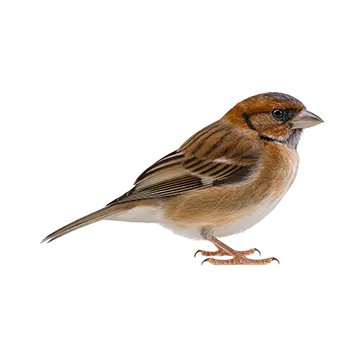

Preparing for Travel with Society Finches

Successful travel with Society Finches begins well before the day of departure. These small, social birds are creatures of routine, and any disruption to their environment, including changes in light, temperature, noise, and the presence of familiar companions, can produce stress that manifests as fluffed feathers, reduced appetite, or agitated vocalizations. Thoughtful preparation minimizes these stressors and helps ensure that the birds arrive at their destination in good health and spirits.

The first step in preparing for travel is selecting an appropriate carrier. For Society Finches, small, well-ventilated travel cages or purpose-built bird transport boxes are ideal. The carrier should be large enough to allow the birds to perch comfortably but small enough to prevent excessive movement during transit, which can lead to injury. Solid-sided carriers with ventilation slots are generally preferable to open wire cages for road and air travel, as they reduce visual stimulation and drafts that can add to the birds' stress. A familiar perch or a section of natural branch placed inside the carrier gives the birds a secure foothold during movement.

Food and water management during travel requires advance planning. Society Finches have high metabolisms relative to their body size and cannot tolerate prolonged fasting. For short trips of a few hours, a small dish of seed secured to the carrier floor and a piece of water-rich fruit or vegetable, such as cucumber or apple, will suffice. For longer journeys, a spill-resistant water dispenser designed for travel cages is essential. Owners should practice loading food and water containers into the carrier before the trip to confirm that they fit securely and that the birds can access them without difficulty.

Timing the journey thoughtfully can further reduce stress. Traveling during cooler parts of the day in summer and warmer parts of the day in winter helps avoid temperature extremes. If the trip involves an overnight stay, the carrier should be placed in a quiet, dimly lit room at a stable temperature, ideally between 65 and 80 degrees Fahrenheit. Covering the carrier with a light cloth during transit can reduce visual stimulation and encourage the birds to rest, mimicking the calming effect of nightfall in their home aviary.

Ground Transportation Guidelines

Ground transportation by personal vehicle is the most common and generally the least stressful method of moving Society Finches from one location to another. The controlled environment of a car allows the owner to manage temperature, noise, and light in ways that are not possible with commercial carriers or public transit. However, even car travel requires attention to details that can make the difference between a smooth journey and one that compromises the birds' welfare.

Temperature control is the single most important factor during ground transportation. Society Finches are tropical in origin and are sensitive to both cold drafts and excessive heat. The car's climate control should maintain a comfortable temperature, and the carrier should never be placed in direct sunlight near a window, as the interior of a carrier in direct sun can heat up rapidly to dangerous levels. In winter, the car should be warmed before the birds are loaded, and in summer, the vehicle should be cooled in advance. Under no circumstances should birds be left unattended in a parked car, as temperatures inside a closed vehicle can reach lethal levels within minutes.

Securing the carrier properly within the vehicle is essential for the safety of both the birds and the driver. The carrier should be placed on a flat, stable surface such as the floor behind the passenger seat or on the back seat with a seatbelt threaded through or around it to prevent sliding during stops and turns. Placing the carrier on the front seat is not recommended, as airbag deployment in an accident could injure or kill the birds. The carrier should be oriented so that the ventilation openings face into the cabin rather than toward a window or door, ensuring a steady supply of fresh, temperature-controlled air.

For longer road trips, regular rest stops provide an opportunity to check on the birds, replenish food and water, and verify that the carrier interior remains at an appropriate temperature. These stops should be kept brief and the birds should remain in their carrier during the stop, as opening the carrier in an unfamiliar environment creates a risk of escape. If traveling with multiple Society Finches, keeping them together in a single carrier or in adjacent carriers often reduces stress, as the birds draw comfort from the presence and vocalizations of their companions.

Public transportation poses additional challenges for bird travel. Buses, trains, and rideshare vehicles may have policies restricting live animals, and the noise, vibration, and unpredictable conditions of public transit can be more stressful for finches than a private car. Owners who must use public transit should confirm the carrier's policies in advance, use a solid-sided carrier that minimizes visual and auditory stimulation, and choose off-peak travel times when vehicles are less crowded and quieter.

Air Travel Regulations & Logistics

Air travel with Society Finches is possible but involves a more complex set of logistical and regulatory considerations than ground transportation. Airline policies regarding the carriage of live birds vary significantly between carriers, and the rules can change with little notice, making it essential to confirm current policies directly with the airline well in advance of the travel date. Some airlines permit small caged birds in the cabin as carry-on items, while others require them to be shipped as cargo or checked baggage. A meaningful number of airlines do not accept live birds at all.

For airlines that do accept birds in the cabin, the carrier must typically meet specific size requirements that allow it to fit under the seat in front of the passenger. The carrier must also be leak-proof, well-ventilated, and secure enough to prevent escape. Airlines generally require advance booking for in-cabin pets and may limit the number of live animals permitted per flight, so early reservation is strongly advised. Fees for in-cabin pet transport vary by airline and route but typically range from modest to moderate per one-way segment.

Cargo transport is often the only option for breeders shipping birds to buyers or for owners relocating with larger numbers of Society Finches. Cargo shipment of live birds is governed by International Air Transport Association (IATA) Live Animals Regulations, which specify container requirements, labeling, temperature restrictions, and handling protocols. IATA-compliant containers for small birds must provide adequate ventilation, secure perching, and access to food and water for the duration of the journey. Temperature embargoes may prevent shipment during extreme hot or cold weather, and some airlines impose their own seasonal restrictions beyond those required by IATA.

The documentation required for air travel with birds includes, at minimum, a health certificate issued by a licensed veterinarian within a specified period before departure, typically seven to ten days for domestic flights within the United States. International flights require additional documentation, including export permits from the country of origin, import permits from the destination country, and in some cases, proof of disease testing. The specific requirements vary by destination and are subject to change, so owners planning international air travel with Society Finches should begin the documentation process well in advance and consult both the airline and the relevant government veterinary authorities for current requirements.

Accommodations & Temporary Housing

Finding appropriate accommodations for Society Finches during travel requires planning that goes beyond simply booking a pet-friendly hotel room. While the hospitality industry has become increasingly accommodating of guests traveling with pets, most pet-friendly policies are designed with dogs and occasionally cats in mind, and the acceptability of caged birds is not always explicitly addressed. Travelers should contact hotels, motels, or vacation rentals directly to confirm that birds are permitted, as online pet policies may not provide sufficient detail to determine whether finches are included.

When staying in a hotel or rental property with Society Finches, the room environment must be managed to ensure the birds' safety and comfort. Windows and exterior doors should remain closed to prevent escape, and the room's heating or cooling system should be set to maintain a temperature within the birds' comfort range. If the property uses air fresheners, scented candles, or chemical cleaning products in the room, these should be removed or ventilated before the birds are brought in, as the respiratory systems of small birds are highly sensitive to airborne chemicals and particulates. Non-stick cookware in vacation rental kitchens can emit fumes that are toxic to birds when heated, and owners should either avoid using such cookware or ensure thorough ventilation.

For owners who cannot bring their Society Finches along on a trip, arranging temporary care at home is often the best alternative. A trusted friend, neighbor, or professional pet sitter with experience caring for birds can maintain the birds' routine in their familiar environment, minimizing the stress of disruption. Detailed written instructions covering feeding schedules, water changes, cage cleaning, temperature requirements, and emergency veterinary contacts should be provided to the caretaker. For extended absences, a preliminary visit during which the caretaker observes the owner's daily routine can help ensure continuity of care.

Boarding facilities that accept birds represent another option, though they are less common than those serving dogs and cats. Avian veterinary clinics sometimes offer boarding services, and these facilities have the advantage of on-site veterinary expertise in case a health issue arises during the boarding period. Bird-specific boarding operations may also be available in some areas, offering flight aviaries or colony housing that allows Society Finches to socialize during their stay. Owners should inspect any boarding facility in person before committing, paying attention to cleanliness, ventilation, noise levels, and the staff's familiarity with finch care.

Health Certificates & Veterinary Requirements

Health certificates are the cornerstone of legal compliance when transporting Society Finches across state lines or international borders. In the United States, the interstate transport of live birds generally requires a Certificate of Veterinary Inspection (CVI), also known as a health certificate, issued by a USDA-accredited veterinarian within a specific window before departure. The certificate attests that the birds have been examined and found to be free of visible signs of communicable disease. Most states require the CVI to be issued within 30 days of entry, though some states impose shorter windows, and a few require additional testing or documentation beyond the standard certificate.

The process of obtaining a health certificate begins with scheduling an examination with a veterinarian who holds USDA accreditation, a credential that authorizes the veterinarian to certify animals for interstate and international movement. During the examination, the veterinarian will inspect the birds for signs of illness, verify that they are appropriately identified if required by the destination state, and complete the certificate with detailed descriptions of the birds, including species, number, sex if determinable, band numbers if banded, and the names and addresses of the shipper and receiver.

International travel imposes additional veterinary requirements that vary by destination country. Many countries require specific disease testing, particularly for avian influenza and Newcastle disease, within a defined period before export. The testing protocols, approved laboratories, and acceptable timelines differ by country, and the requirements are subject to change in response to disease outbreaks and shifts in national biosecurity policy. In the United States, the USDA's Animal and Plant Health Inspection Service (APHIS) endorses health certificates for international shipment and can provide guidance on the specific requirements of the destination country.

Beyond the formal health certificate, owners should prepare a travel health kit that includes any medications the birds are currently receiving, a first-aid supply appropriate for small birds, and contact information for avian veterinarians along the travel route and at the destination. Society Finches are generally hardy birds, but the stress of travel can exacerbate underlying conditions or increase susceptibility to illness. Having veterinary resources identified in advance ensures that prompt care is available if a bird shows signs of distress during or after the journey.

Emergency Planning & Contingencies

No travel plan is complete without a strategy for managing the unexpected. Vehicle breakdowns, flight cancellations, severe weather, and medical emergencies can all disrupt a journey and leave bird owners scrambling to protect their animals under difficult conditions. Developing a contingency plan before departure transforms these potential crises into manageable inconveniences and helps ensure the safety of Society Finches even when the original itinerary falls apart.

The most critical contingency involves temperature exposure. Society Finches can tolerate a moderate range of temperatures under normal conditions, but rapid or prolonged exposure to temperatures below 50 degrees Fahrenheit or above 90 degrees Fahrenheit can be life-threatening. Owners should carry insulating materials, such as hand warmers designed for safe use near animals or thermal blankets that can be wrapped around the carrier, to protect against cold in the event of a winter breakdown. In hot weather, battery-operated fans, frozen gel packs wrapped in cloth, and a supply of fresh water are essential safeguards against heat stress.

Flight cancellations and delays present a particular challenge for travelers with birds, as airports are generally hostile environments for small animals. The noise, crowds, and lack of private, climate-controlled spaces can intensify stress for both birds and owners. Travelers should identify airport pet relief areas and quiet zones in advance and carry enough food, water, and supplies to sustain the birds through an extended delay. If an overnight delay forces a hotel stay, the contingency plan should include a list of nearby pet-friendly accommodations pre-researched before departure.

Medical emergencies during travel require immediate access to veterinary care, which can be challenging when traveling through unfamiliar areas. Before departure, owners should compile a list of avian or exotic-animal veterinary practices along the planned route and at the destination, including after-hours emergency contacts. The Association of Avian Veterinarians maintains an online directory that can help identify qualified practitioners in specific geographic areas. In the absence of a nearby avian specialist, a general-practice veterinarian can provide stabilization and supportive care while arrangements are made for more specialized treatment.

Finally, owners should prepare for the possibility that travel plans change suddenly and the birds need to be housed temporarily in an unplanned location. A lightweight, collapsible cage that can be set up quickly in a hotel room, a friend's home, or even a veterinary clinic provides a familiar and secure environment while logistical issues are resolved. Keeping a small supply of the birds' regular seed mix, a portable water container, and a familiar perch or toy in the travel kit ensures that the birds can be settled into temporary quarters with minimal delay and maximum comfort.

Always consult a qualified professional before making any health-related decisions. This content is provided for informational reference only and should not replace professional guidance specific to your animal.