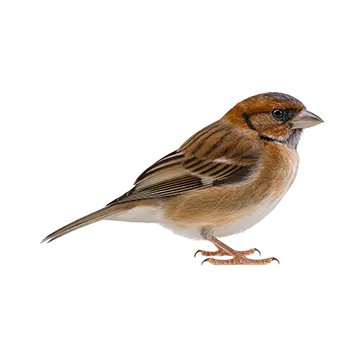

The Society Finch occupies a favorable legal position in most jurisdictions around the world, owing primarily to its status as a fully domesticated species with no wild populations. Because the Society Finch does not exist in nature and is not derived from any endangered or protected wild species, it is exempt from many of the wildlife protection laws and trade restrictions that apply to parrots, raptors, and other birds captured from or closely related to wild populations. Its ancestor, the White-rumped Munia (Lonchura striata), is classified as a species of least concern by the International Union for Conservation of Nature (IUCN), and the domesticated Society Finch is generally treated as a distinct entity from its wild progenitor in regulatory frameworks.
This legal distinction between domestic and wild species is significant because it means that the Society Finch can typically be bought, sold, bred, and kept without the permits, registrations, or CITES documentation required for many other bird species. In practice, this makes the Society Finch one of the most legally accessible companion birds available to prospective owners. The regulatory burden associated with ownership is minimal compared to that of parrots, which may require proof of captive breeding, band or microchip identification, and compliance with species-specific trade restrictions.
However, the Society Finch's favorable legal status should not be taken as an indication that no regulations apply. All companion animal keepers, regardless of species, are subject to animal welfare statutes that establish minimum standards of care, and the sale of live animals is regulated at multiple levels of government in most countries. The specific requirements vary widely by jurisdiction, and owners and breeders should familiarize themselves with the laws applicable in their own locality rather than assuming that the Society Finch's domestic status grants blanket exemption from oversight.
It is also worth noting that the legal landscape for companion animals is not static. Changes in animal welfare legislation, public health regulations, and environmental policy can alter the rules governing the keeping and breeding of domestic birds, including Society Finches. Staying informed about current and proposed legislation is a responsibility that all conscientious bird keepers should take seriously, even when the species in question is as uncontroversial as the Society Finch.