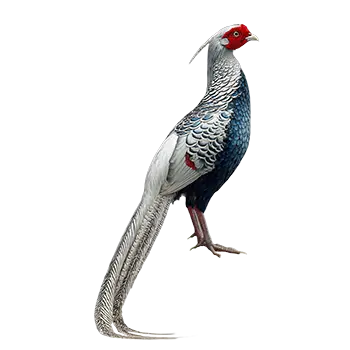

Before any Silver Pheasant is moved, whether across a property, between states, or internationally, a thorough health assessment should be conducted by a veterinarian experienced with gallinaceous birds. This assessment serves multiple purposes: it ensures that the bird is physically fit to withstand the stress of transport, it identifies any latent health issues that could be exacerbated by handling and confinement, and it provides the clinical foundation for any health certificates or veterinary documentation that may be required by the destination jurisdiction. A bird showing signs of respiratory distress, significant feather damage, parasitic burden, or any other condition that compromises its resilience should not be transported until the issue has been addressed.
For interstate transport within the United States, most states require a Certificate of Veterinary Inspection, commonly referred to as a health certificate, issued by a USDA-accredited veterinarian within a specified window before the date of travel, typically seven to thirty days depending on the destination state. The certificate must identify the species, the number of birds being transported, their origin and destination, and the results of any required disease tests. Pullorum-typhoid testing is required by many states for galliforms moving across state lines, and the testing must be performed by an approved laboratory or under the National Poultry Improvement Plan framework.
International shipments require a substantially more complex documentation package. Export permits, import permits, CITES documentation where applicable, and veterinary health certificates conforming to the importing country's specific requirements must all be assembled before the birds leave. Pre-export quarantine and testing for avian influenza and Newcastle disease are standard requirements in most importing countries. The lead time required to assemble this documentation can be considerable, often four to eight weeks or more, and any errors or omissions can result in the shipment being refused at the port of entry.
Maintaining a comprehensive health record for each bird in a collection greatly facilitates the transport process. Records should include vaccination history, parasite treatment dates, results of any laboratory tests, and notes on the bird's temperament and handling tolerance. When a transport event is anticipated, reviewing these records allows the keeper and veterinarian to identify any additional steps needed to prepare the bird and to produce the required documentation efficiently. Organized health records also demonstrate responsible stewardship to regulatory authorities and receiving parties.