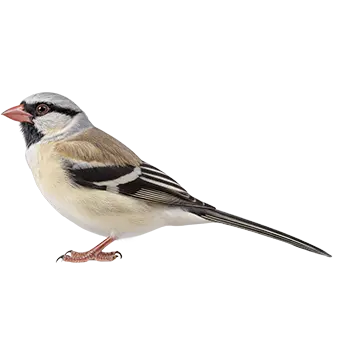

Representation in Documentary Film

The Shaft-tail Finch has appeared in a number of wildlife documentaries exploring the ecosystems of northern Australia, though it rarely occupies the starring role. Productions focusing on the tropical savannas of the Top End and the Kimberley frequently feature grassfinches as part of broader sequences illustrating the biodiversity of these landscapes. The Shaft-tail Finch, with its elongated tail shafts and composed demeanor, often provides visually striking footage when flocks gather at waterholes or perch along fence lines against the red-earth backdrop of the Australian outback.

Australian Broadcasting Corporation nature programming has included the Shaft-tail Finch in segments devoted to the birdlife of Kakadu National Park and the Kimberley region. These productions typically position the species alongside its more colorful relative, the Gouldian Finch, using the contrast between the two to illustrate the diversity of the estrildid family within a single geographic area. While the Gouldian invariably attracts more screen time due to its vivid plumage, the Shaft-tail's elegant bearing and distinctive silhouette make it a compelling supporting presence.

International productions have also featured the species. Natural history programs produced for British and European audiences have included the Shaft-tail Finch in episodes covering Australian wildlife, particularly those examining the ecological dynamics of savanna habitats and the effects of fire and grazing on bird communities. These documentary appearances, while often brief, have introduced the species to viewers who might otherwise never encounter it, contributing to a slow but steady growth in international awareness.

The rise of independent wildlife filmmaking and online video platforms has expanded the Shaft-tail Finch's documentary presence considerably. Independent filmmakers and birdwatching enthusiasts traveling through northern Australia have produced short-form videos showcasing the species in its natural habitat, often with a level of intimacy and detail that larger productions cannot achieve. These clips, shared widely through video-hosting platforms and birding forums, have become an important channel through which the Shaft-tail Finch reaches new audiences around the world.

Appearances in Print & Literature

The Shaft-tail Finch's earliest appearances in Western print date to the mid-19th century, when John Gould's lithographic plates in The Birds of Australia introduced the species to European audiences with meticulous hand-colored illustrations. Gould's depictions of Poephila acuticauda captured the bird's proportions, plumage tones, and characteristic tail with remarkable accuracy, and these original plates remain prized by collectors of ornithological art. Subsequent editions and compilations of Australian bird illustration continued to feature the species, cementing its place in the visual record of Australian natural history.

In the 20th century, the Shaft-tail Finch became a regular subject in avicultural literature. Specialist magazines such as Australian Birdkeeper, Cage and Aviary Birds, and various publications of national finch societies have carried detailed breeding reports, husbandry guides, and show reports featuring the species. These articles, written by experienced breeders, constitute a substantial body of practical knowledge and have shaped the standards by which Shaft-tail Finches are kept and exhibited worldwide.

Field guides covering Australian birds invariably include the Shaft-tail Finch, and many devote particular attention to the bill-color variation between the yellow-billed and red-billed subspecies. Guides such as The Slater Field Guide to Australian Birds, Pizzey and Knight's Field Guide to the Birds of Australia, and the Handbook of Australian, New Zealand and Antarctic Birds have provided detailed range maps, behavioral notes, and identification tips that assist both casual birdwatchers and serious ornithologists in recognizing and understanding the species.

Beyond strictly scientific or avicultural texts, the Shaft-tail Finch has appeared in broader nature writing about the Australian outback. Travel writers and naturalists describing journeys through the Kimberley or the Top End frequently mention encounters with grassfinch flocks as part of the sensory texture of the landscape. These literary references, while not focused exclusively on the species, contribute to a cultural portrait of the Shaft-tail Finch as an integral element of the northern Australian environment.

Online Communities & Social Media

The growth of online communities dedicated to finch keeping has significantly raised the Shaft-tail Finch's profile among hobbyists and prospective keepers worldwide. Dedicated forums such as Finch Forum, Avian Avenue, and various Facebook groups devoted to Australian finches host active discussions about Shaft-tail breeding, diet, aviary design, and show preparation. These communities serve as knowledge repositories where decades of breeding experience are shared freely, making expertise that was once confined to local bird clubs accessible to an international audience.

Social media platforms have amplified the visual appeal of the Shaft-tail Finch in ways that print media could not. Instagram and Facebook accounts operated by breeders and aviculturists regularly feature high-quality photographs and videos of their birds, showcasing the species' plumage detail, social interactions, and breeding behavior. The elegant simplicity of the Shaft-tail's appearance translates particularly well to the photographic medium, and images of well-conditioned birds against naturalistic aviary backgrounds frequently attract substantial engagement from the finch-keeping community.

YouTube and similar platforms have become important venues for avicultural education related to the Shaft-tail Finch. Experienced breeders produce video content covering topics such as aviary setup, nest inspection, chick development, and dietary supplementation, providing visual instruction that complements the written guides found in traditional avicultural publications. These video resources have proven especially valuable for newer keepers who benefit from seeing techniques demonstrated rather than merely described.

The online environment has also facilitated international collaboration among Shaft-tail Finch breeders in ways that were previously impractical. Breeders in Australia, Europe, and North America can now exchange information about bloodlines, breeding outcomes, and genetic management in real time, supporting efforts to maintain healthy and genetically diverse captive populations across geographic boundaries. This digital connectivity has strengthened the global avicultural community around the species and fostered a sense of shared stewardship.

Photography & Visual Arts

Wildlife photographers working in northern Australia have long recognized the Shaft-tail Finch as a rewarding subject. The species' habit of perching prominently on exposed branches, fence posts, and termite mounds provides clean sight lines and uncluttered compositions that are ideal for both portrait and behavioral photography. The warm fawn and blue-grey tones of the plumage, combined with the graphic black bib and the striking tail extensions, create images with a natural balance of color and form that appeal to photographers and audiences alike.

Several prominent Australian wildlife photographers have included Shaft-tail Finch images in published collections and exhibition portfolios. The species frequently appears in photographic surveys of Kimberley and Top End birdlife, where its photogenic qualities help represent the grassfinch family to broader audiences. Photographs capturing the moment of a flock lifting from a waterhole or a pair engaged in mutual preening convey the social vitality of the species in ways that text descriptions alone cannot achieve.

In the realm of avicultural art, the Shaft-tail Finch has been depicted in paintings, drawings, and digital illustrations by artists who specialize in Australian birdlife. These works range from scientifically precise plates intended for identification guides to more interpretive compositions that emphasize the bird's aesthetic qualities within its landscape context. The tradition of bird illustration that began with Gould continues in the work of contemporary artists who bring modern techniques and sensibilities to the portrayal of Australian finches.

The species has also appeared in commercial and decorative contexts. Australian gift shops, nature-themed retailers, and online marketplaces offer products featuring Shaft-tail Finch imagery, including prints, greeting cards, and textile designs. While these commercial applications are modest compared to those enjoyed by more iconic Australian birds such as the Kookaburra or the Galah, they reflect a genuine appreciation for the Shaft-tail Finch's visual appeal and contribute to its broader cultural visibility.

Educational Media & Outreach

The Shaft-tail Finch has served as a subject in educational materials produced by Australian conservation organizations, national parks, and natural history museums. Interpretive signage in parks such as Kakadu National Park and Nitmiluk National Park includes the species in panels describing the birdlife of the tropical savanna, helping visitors identify and appreciate the grassfinches they encounter along walking trails and at camping areas. These educational displays typically highlight the Shaft-tail's distinctive features and its ecological role as a seed consumer in the savanna ecosystem.

Museums with significant ornithological collections have used Shaft-tail Finch specimens and imagery in exhibits exploring Australian biodiversity. The Australian Museum in Sydney and the Museum and Art Gallery of the Northern Territory in Darwin, among others, have featured the species in displays covering the birdlife of northern Australia. Taxidermy mounts and study skins provide visitors with the opportunity to examine the bird's plumage and proportions at close range, while accompanying text panels and multimedia elements place the species within its ecological and biogeographic context.

BirdLife Australia and state-based bird observation organizations have included the Shaft-tail Finch in citizen science programs and survey initiatives that engage the public in monitoring wild bird populations. Programs such as the annual Aussie Backyard Bird Count and targeted surveys of savanna bird communities encourage participants to record sightings of grassfinch species, generating data that supports conservation research while simultaneously raising awareness of the birds themselves. The Shaft-tail Finch, as a species that is still reasonably common and identifiable across its range, is well suited to these participatory monitoring efforts.

Avicultural societies have contributed their own educational outreach related to the Shaft-tail Finch. Club-organized open days, school visits, and show events provide opportunities for the public to see the species up close in well-maintained aviaries and to speak with experienced breeders about finch biology and care. These interactions often spark interest in aviculture among young people and help dispel misconceptions about bird keeping, positioning the hobby as a practice rooted in knowledge, responsibility, and genuine passion for the species involved.

The Shaft-tail Finch in Popular Imagination

Unlike some of Australia's more flamboyant bird species, the Shaft-tail Finch has not penetrated mainstream popular culture in the way that cockatoos, budgerigars, or kookaburras have. It does not appear on postage stamps with the same regularity as the Gouldian Finch, nor has it become a mascot for any widely known brand or organization. Its cultural presence is quieter and more specialized, residing primarily within the overlapping worlds of aviculture, birdwatching, and Australian nature appreciation.

Within these communities, however, the Shaft-tail Finch commands a respect and affection that belies its modest mainstream profile. Finch keepers who have worked with the species often describe it as one of the most satisfying birds to maintain in an aviary setting, citing its calm temperament, graceful movements, and the visual impact of its extended tail feathers. This personal connection between keeper and bird generates a form of cultural regard that, while less visible than mass-market popularity, runs deep and sustains the species' place in avicultural tradition.

The Shaft-tail Finch also holds a particular place in the imagination of birdwatchers who have traveled to northern Australia. For many visiting birders, particularly those from the Northern Hemisphere, encountering a flock of Shaft-tail Finches drinking at a remote billabong or flitting through the pandanus fronds along a creek represents a quintessential Australian birding experience. Trip reports and birding blogs frequently highlight these encounters, and the species consistently appears on lists of target birds for birdwatching tours operating in the Top End and Kimberley.

As interest in Australian wildlife continues to grow internationally, driven by nature tourism, social media, and the expanding reach of documentary filmmaking, the Shaft-tail Finch stands to gain wider recognition. Its combination of visual elegance, ecological significance, and association with some of Australia's most spectacular landscapes positions it well for a gradual increase in cultural visibility, even if it is unlikely ever to rival the mainstream fame of the continent's more conspicuous avian icons.

Always consult a qualified professional before making any health-related decisions. This content is provided for informational reference only and should not replace professional guidance specific to your animal.