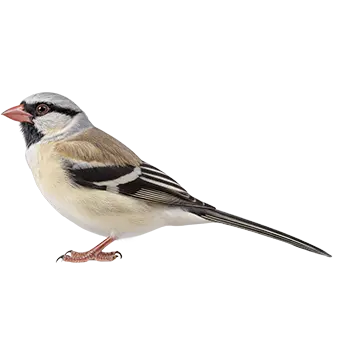

The Shaft-tail Finch is an Australian native species and is therefore subject to the comprehensive framework of wildlife protection legislation that governs all indigenous fauna. At the federal level, the Environment Protection and Biodiversity Conservation Act 1999 (EPBC Act) provides the overarching legal structure for the conservation of Australian wildlife, including controls on the export of native animals and the management of species listed as threatened. While the Shaft-tail Finch is not currently listed as threatened under the EPBC Act, it remains protected as a native species, and any commercial or private activity involving the bird must comply with applicable federal and state regulations.
Australia's strict prohibition on the export of native wildlife is the single most important legal factor shaping the global availability of the Shaft-tail Finch. Since the enactment of wildlife export controls in the mid-20th century, it has been illegal to export Australian native birds for the pet trade without specific government authorization, which is granted only under narrow circumstances such as approved conservation breeding programs or scientific research. This export ban means that all Shaft-tail Finches held in captivity outside Australia are descended from birds that left the country before the ban took effect or, in rare cases, from authorized transfers between institutions.
Within Australia, the regulation of native bird keeping is managed at the state and territory level, resulting in a patchwork of rules that vary significantly across jurisdictions. Some states, such as New South Wales and Victoria, require keepers to hold a wildlife licence to possess native finches, with the specific class of licence depending on the species and the number of birds kept. Other jurisdictions, including parts of Queensland and Western Australia, impose different requirements. Prospective keepers must consult the relevant wildlife authority in their state or territory to determine the current licensing obligations before acquiring Shaft-tail Finches.
Enforcement of these regulations is carried out by state wildlife agencies and, in cases involving cross-border or international trade, by federal authorities including the Department of Climate Change, Energy, the Environment and Water. Penalties for non-compliance can include substantial fines and, in serious cases, criminal prosecution. The regulatory framework, while complex, reflects a genuine commitment to ensuring that the keeping of native birds is conducted responsibly and does not contribute to the depletion of wild populations.