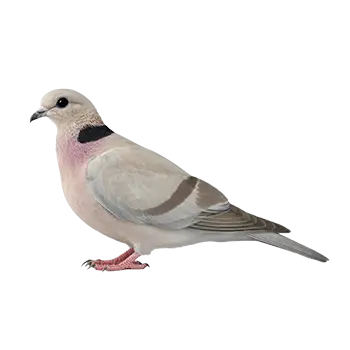

Pre-Travel Preparation

Successful travel with a Ring-Necked Dove begins well before the day of departure. The most important preparatory step is selecting and introducing an appropriate travel carrier. A small, well-ventilated pet carrier designed for birds or small animals is ideal. The carrier should be large enough for the dove to stand upright and turn around but small enough to prevent the bird from being thrown about during sudden stops or turbulence. Hard-sided carriers with secure latches are generally preferable to soft-sided models, as they provide better structural protection and are less likely to collapse or be compressed during transit. Introducing the carrier to the dove several days or weeks before travel allows the bird to become familiar with the enclosure, reducing stress on the day of the journey.

A pre-travel veterinary checkup is strongly recommended, particularly for long-distance moves or air travel. An avian veterinarian can assess the dove's overall health, ensure that it is fit to travel, and provide a health certificate if one is required by the airline or destination jurisdiction. Health certificates typically need to be issued within a specified window before travel, often ten days, and must include confirmation that the bird shows no signs of communicable disease. For international travel, additional testing for specific pathogens such as avian influenza or Newcastle disease may be required, and these tests often have their own timing constraints that must be factored into the travel planning timeline.

Packing a travel kit for the dove is essential. The kit should include a supply of the bird's regular food, a small water container designed to minimize spillage, a lightweight cloth to partially cover the carrier if the bird becomes agitated, and a basic first aid kit containing styptic powder, a small towel, and the contact information for avian veterinarians at both the origin and destination. If the dove is on any medication, a sufficient supply for the entire trip plus a buffer of several extra days should be packed, along with written dosage instructions. Photocopies or digital scans of the bird's health certificate, any required permits, and veterinary records should be easily accessible throughout the journey.

Acclimating the dove to the routine disruptions of travel can also reduce stress. In the days leading up to departure, the keeper can practice placing the bird in its carrier for short periods, taking brief car rides, and exposing the dove to the kinds of sounds and movements it will encounter during the trip. Ring-Necked Doves are generally calmer and more adaptable than many companion bird species, but even a naturally placid bird benefits from gradual desensitization to unfamiliar stimuli. The goal is to make the carrier and the experience of being transported feel predictable and safe rather than alarming.

Ground Transportation

Car travel is the most common form of ground transportation for Ring-Necked Doves, whether for routine veterinary visits, trips to bird shows, or longer relocations. The carrier should be secured on the vehicle's back seat or cargo area using a seatbelt or cargo strap to prevent it from sliding or tipping during braking, acceleration, or turns. Placing the carrier on the floor behind the front seat can also provide stability, though airflow may be more restricted in this position. The carrier should never be placed in the trunk of a sedan, where temperatures can become dangerously high and ventilation is inadequate.

Temperature management is one of the most critical considerations during car travel. Ring-Necked Doves are sensitive to temperature extremes, and the interior of a vehicle can heat up rapidly in warm weather or become uncomfortably cold in winter. Air conditioning or heating should be used to maintain a comfortable cabin temperature, generally between 65 and 80 degrees Fahrenheit. Direct sunlight on the carrier should be avoided, and a light cloth draped over part of the carrier can provide shade while still allowing air circulation. Under no circumstances should a dove be left unattended in a parked vehicle, as temperatures inside a closed car can reach lethal levels within minutes, even on moderately warm days.

For longer drives, periodic rest stops are advisable to check on the bird's condition, offer water, and allow the keeper to assess the interior temperature of the carrier. Ring-Necked Doves can typically go several hours without food or water under normal conditions, but on extended trips, offering small amounts of seed and fresh water during rest breaks helps maintain the bird's hydration and energy levels. The carrier should be opened only in a fully enclosed space, such as the interior of the car with all windows and doors closed, to prevent the dove from escaping. Even domesticated doves that are accustomed to human handling can become disoriented in unfamiliar surroundings and may attempt to fly if startled.

If travel by bus, train, or other public ground transportation is necessary, the owner should verify the carrier's pet policy well in advance. Policies vary widely among transit authorities and commercial carriers. Some bus and rail companies permit small caged birds in the passenger cabin, while others restrict animals to cargo holds or prohibit them entirely. In all cases, the dove should remain in its carrier throughout the journey, and the keeper should be prepared for the possibility that other passengers may be unfamiliar with or uncomfortable around birds.

Air Travel Considerations

Air travel with a Ring-Necked Dove is possible but requires thorough planning and a clear understanding of airline policies, government regulations, and the practical challenges of transporting a live bird by air. Most major airlines permit small birds in the cabin as carry-on pets, provided the bird is housed in an airline-approved carrier that fits under the seat in front of the passenger. Carrier size requirements vary by airline, and it is essential to confirm the specific dimensions allowed before purchasing a carrier or booking a flight. Many airlines limit the number of in-cabin pets per flight and require advance reservation, so early booking is advisable.

Airline pet fees for in-cabin travel typically range from modest to moderate, depending on the carrier and the route. Some airlines impose additional restrictions on pet travel during extreme weather months, refusing to transport animals when ground temperatures at the origin, destination, or connecting airports fall outside a safe range. These temperature embargoes can disrupt travel plans, particularly during summer heat waves or winter cold snaps, and keepers should build flexibility into their itineraries to account for potential weather-related delays or cancellations.

For situations where in-cabin travel is not an option, some airlines offer live animal cargo services that transport birds in climate-controlled and pressurized compartments of the aircraft's cargo hold. Cargo transport carries higher risks than cabin travel, including exposure to temperature fluctuations during ground handling, noise from cargo operations, and the inability of the owner to monitor the bird during the flight. If cargo transport is necessary, selecting an airline with a strong track record in live animal shipping, using an IATA-compliant shipping container, and avoiding flights with layovers or tight connections can reduce the risks involved.

Domestic air travel within the United States generally requires a health certificate issued by a licensed veterinarian within the preceding ten days. International flights impose additional documentation requirements that vary by destination country and may include import permits, laboratory test results, consular endorsements, and quarantine arrangements at the receiving end. The complexity and lead time required for international bird transport by air should not be underestimated, and consulting with a professional pet relocation service or the destination country's agricultural authority early in the planning process is strongly recommended.

Accommodation & Temporary Housing

Finding suitable accommodation while traveling with a Ring-Necked Dove can be one of the more challenging aspects of the journey, as many hotels, motels, and vacation rentals do not permit birds or impose restrictions on pet types and sizes. Pet-friendly hotel chains typically focus their policies on dogs and cats, and front desk staff may be unfamiliar with requests to house a caged bird. Calling ahead to confirm that birds are explicitly permitted, rather than relying on a general pet-friendly designation, can prevent unpleasant surprises at check-in. Some boutique hotels and bed-and-breakfast establishments are more flexible about unusual pets, particularly when the keeper can demonstrate that the bird will remain caged and cause no damage to the room.

Vacation rental platforms offer another option, but the same caution applies. Listings that describe themselves as pet-friendly may or may not intend to include birds, and hosts may have concerns about noise, feathers, or allergens that make them reluctant to accept avian guests. Direct communication with the host before booking, including a clear description of the bird, its carrier, and the steps the keeper will take to protect the property, can help establish expectations and secure approval. Offering a refundable pet deposit or agreeing to additional cleaning fees may also facilitate acceptance.

Once accommodations have been secured, setting up a comfortable temporary environment for the dove is the next priority. If the travel carrier is too small for extended stays, a collapsible or portable cage provides more space for the bird to move, eat, and perch comfortably. The cage should be placed in a quiet area of the room, away from windows where drafts or direct sunlight could create temperature extremes, and away from doors where sudden openings could startle the bird or create escape opportunities. Familiar items from the dove's home enclosure, such as a preferred perch or a small mirror, can help the bird feel more secure in unfamiliar surroundings.

For extended travel or relocation, the keeper should identify avian veterinary resources at the destination before departing. Knowing the location and contact information of the nearest avian veterinarian, emergency animal hospital, and, if applicable, avian boarding facility provides a safety net in case the dove falls ill or the keeper's plans change unexpectedly. In unfamiliar cities, the Association of Avian Veterinarians' online directory and local bird club contacts can be valuable resources for locating qualified care providers.

International Travel Requirements

Transporting a Ring-Necked Dove across international borders involves navigating a complex web of import and export regulations that vary significantly by country. The process typically begins with the exporting country's requirements, which may include obtaining an export permit from the national wildlife or agricultural authority, securing a veterinary health certificate that meets the importing country's standards, and ensuring that any required laboratory tests have been completed within the specified timeframes. In the United States, the USDA's Animal and Plant Health Inspection Service (APHIS) oversees the export of live birds and issues the health endorsements that many countries require as a condition of entry.

The importing country's requirements are often more demanding and may include pre-arrival notification, import permits issued by the destination's agricultural or veterinary authority, mandatory quarantine upon arrival, and specific disease testing protocols. Countries with strict biosecurity regimes, such as Australia, New Zealand, and Japan, impose particularly rigorous requirements that can include extended quarantine periods of 30 days or more, during which the bird is held in a government-approved facility at the owner's expense. Failure to comply with any element of the importing country's requirements can result in the bird being refused entry, confiscated, or, in extreme cases, euthanized.

The European Union has harmonized many aspects of live animal importation for trade within its borders but maintains separate and more stringent rules for imports from non-EU countries. Birds entering the EU from outside must be accompanied by a health certificate conforming to a standardized EU model, must have been tested for avian influenza and Newcastle disease within specified windows, and must enter through designated border inspection posts equipped to handle live animals. Within the EU, movement between member states is governed by the TRACES system, which tracks the intra-community movement of animals and requires accompanying health documentation.

Given the complexity and variability of international bird transport regulations, many dove owners who relocate internationally choose to engage professional pet relocation services that specialize in the transport of exotic and companion animals. These companies maintain current knowledge of the regulatory requirements for specific country pairs, manage the documentation and logistics on the owner's behalf, and coordinate with quarantine facilities and customs brokers to ensure smooth processing. While the cost of professional relocation services can be significant, the peace of mind and reduced risk of costly errors often justify the investment, particularly for moves involving countries with demanding import protocols.

Emergency Planning While Traveling

Even the most carefully planned trip can encounter unexpected disruptions, and having an emergency plan in place is essential for any keeper traveling with a Ring-Necked Dove. The most common travel emergencies affecting companion birds include vehicle breakdowns in extreme weather, flight cancellations or diversions, illness or injury to the bird during transit, and the loss or escape of the bird from its carrier. Preparing for each of these scenarios in advance can mean the difference between a manageable inconvenience and a crisis.

For road travel, carrying a backup plan for overnight accommodation in case of a breakdown or unexpected delay is important. Knowing the locations of pet-friendly hotels along the planned route, keeping the contact information for roadside assistance services readily available, and carrying enough food, water, and supplies for the dove to last an additional 24 to 48 hours beyond the expected travel time provides a buffer against common disruptions. A portable battery-operated fan or hand warmer can help regulate the temperature in the carrier if the vehicle's climate control system becomes unavailable.

In the event of a flight cancellation or diversion, the keeper should know the airline's policies for rebooking with a live animal, understand whether the pet fee transfers to the new itinerary, and have a plan for housing the dove during any overnight layovers. Airport environments are stressful for birds, with high noise levels, fluctuating temperatures, and limited access to quiet spaces. Keeping the carrier partially covered, speaking to the bird in calm, familiar tones, and minimizing handling during airport waits can help reduce the dove's stress levels during extended delays.

If the dove shows signs of illness during travel, such as fluffed feathers, labored breathing, loss of appetite, or lethargy, the keeper should seek veterinary attention as soon as possible. Avian emergencies can escalate quickly, and birds are adept at masking symptoms until they are seriously compromised. Having an avian veterinarian's contact information for every planned stop along the route, as well as the number for a national avian emergency hotline or telehealth service, ensures that professional guidance is accessible at any point during the journey. In the unfortunate event that a dove escapes during travel, acting quickly is critical. Posting on local lost-pet networks, contacting nearby bird clubs and rescue organizations, and placing the bird's cage and food outside the last known location can all improve the chances of recovery, though prevention through secure carrier latches and careful handling remains the best strategy.

Always consult a qualified professional before making any health-related decisions. This content is provided for informational reference only and should not replace professional guidance specific to your animal.