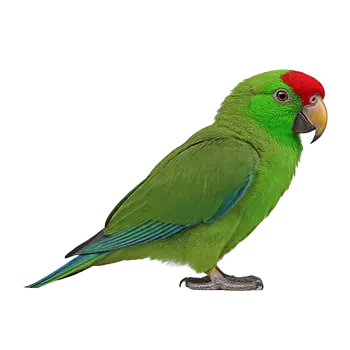

Airline Policies & Cabin Transport

Traveling by air with a Red-Lored Amazon requires careful planning and an understanding of the highly variable policies that commercial airlines maintain regarding avian passengers. The majority of major airlines in the United States and internationally do not permit birds in the passenger cabin, and those that do typically restrict cabin travel to small birds in approved carriers that fit beneath the seat in front of the passenger. The Red-Lored Amazon, at approximately 12 to 13 inches in length and weighing around 350 to 450 grams, falls into a size range that may or may not be accommodated depending on the individual airline's size and weight limits for in-cabin pet carriers.

Among airlines that do permit birds in the cabin, policies typically require advance booking of a pet reservation, payment of a per-segment pet fee, and the use of a carrier that meets the airline's dimensional requirements. Carriers must be well-ventilated, secure, leak-proof, and large enough for the bird to stand and turn around comfortably. Most airlines limit the number of pets allowed in the cabin on any given flight, so early reservation is essential. It is important to confirm the airline's specific avian policy at the time of booking, as policies change frequently and customer service representatives may not always have current information about bird-specific rules.

For flights on which cabin transport is not available, the alternative is cargo transport, in which the bird travels in a climate-controlled section of the aircraft's cargo hold. Cargo transport of live animals is handled through the airline's cargo division or through specialized pet shipping services and requires a different set of documentation, containers, and procedures than cabin travel. Cargo-rated carriers must meet International Air Transport Association Live Animals Regulations standards, which specify construction materials, ventilation requirements, labeling, and handling instructions. Flights with cargo animals are typically restricted to temperature ranges that protect the animal from heat or cold extremes, and airlines may embargo live animal shipments during periods of extreme weather.

Regardless of whether the Red-Lored Amazon travels in the cabin or as cargo, owners should prepare for the possibility that airline policies may change between the time of booking and the date of travel. Having contingency plans, including alternative airlines, ground transport options, or the ability to postpone the trip, can prevent last-minute crises. Joining online communities of parrot owners who travel frequently can provide current, firsthand information about which airlines are most accommodating and which routes have proven reliable for avian passengers.

Health Certificates & Required Documentation

Any travel with a Red-Lored Amazon, whether domestic or international, is likely to require health documentation issued by a licensed veterinarian. For domestic air travel within the United States, most airlines require a Certificate of Veterinary Inspection, commonly known as a health certificate, issued within a specified number of days prior to travel, typically ten days. This certificate must be signed by a veterinarian accredited by the United States Department of Agriculture and must attest that the bird has been examined, is free of signs of communicable disease, and is fit to travel. The examination should include a visual assessment of the bird's overall condition, feather quality, respiratory function, and body weight.

For international travel, documentation requirements become significantly more complex and vary by destination country. Most countries require a USDA-endorsed health certificate, which involves an additional step beyond the veterinarian's initial examination. After the accredited veterinarian completes the certificate, it must be submitted to the USDA's Animal and Plant Health Inspection Service Veterinary Services office for endorsement. This federal endorsement verifies that the certificate meets the importing country's requirements and that the United States is free of certain reportable avian diseases. Processing times for USDA endorsement can vary, and owners should plan well in advance to ensure that all paperwork is completed within the required timeframes.

Many countries also require an import permit issued by their own agricultural or veterinary authority, which must be obtained before travel. The application process for these permits can involve submitting copies of the bird's health certificate, proof of CITES documentation if the bird is crossing international borders, evidence of captive-bred status, and in some cases results of laboratory tests for specific diseases such as avian influenza, psittacosis, or Newcastle disease. The specific testing requirements vary by country and can change in response to disease outbreaks, so owners must verify current requirements with the destination country's embassy, consulate, or agricultural authority.

Beyond health certificates and import permits, owners of Red-Lored Amazons traveling internationally must ensure that their CITES documentation is in order. As a CITES Appendix II species, the Red-Lored Amazon requires a CITES export permit from the country of departure and, in many cases, a CITES import permit from the country of destination for any cross-border movement. For personally owned birds traveling with their owners, some countries accept a CITES personal possession certificate in lieu of a commercial export permit, but the specific requirements must be confirmed with the relevant national CITES authorities well before the travel date.

Preparing Your Red-Lored Amazon for Travel

Preparing a Red-Lored Amazon for travel begins well before the day of departure and involves both physical conditioning and behavioral acclimation to the travel environment. The single most important preparatory step is familiarizing the bird with its travel carrier. Introducing the carrier into the bird's living space weeks or even months before a planned trip allows the bird to explore it at its own pace, reducing the stress associated with being confined in an unfamiliar enclosure. Placing treats, favorite toys, and familiar perching inside the carrier during the acclimation period helps the bird form positive associations with the space.

A pre-travel veterinary examination is essential, even if a formal health certificate is not required for the specific type of travel being undertaken. The veterinarian can assess the bird's overall health, identify any conditions that might be exacerbated by the stress of travel, and provide guidance on managing the bird's diet and hydration during the trip. Birds that are underweight, molting heavily, showing respiratory symptoms, or recovering from illness are generally not good candidates for travel, and the veterinarian can advise whether a planned trip should be postponed.

Dietary management in the days leading up to travel can help minimize gastrointestinal issues during the journey. Many experienced parrot travelers recommend reducing fresh fruits and vegetables in the day or two before travel to decrease the volume and moisture content of droppings, making cleanup easier and keeping the carrier environment more hygienic. Fresh water should be available during travel, typically provided through a spill-resistant dish or a bottle-style dispenser attached to the carrier wall. For longer trips, small portions of the bird's regular pellet diet and a few familiar dry treats can be offered during rest stops or layovers.

Environmental management within the carrier is another key element of preparation. The carrier should be lined with a secure, absorbent substrate such as paper towels or puppy pads, which can be changed during stops. A familiar small toy or a piece of fabric from the bird's home cage can provide olfactory and tactile comfort. The carrier's ventilation openings should be unobstructed, and a light cover or drape can be placed over the carrier to reduce visual stimulation and noise during transit, which many birds find calming. Owners should avoid using air fresheners, scented cleaning products, or any aerosolized substances near the carrier, as birds have extremely sensitive respiratory systems.

Ground Transportation Considerations

Ground transportation by personal vehicle is often the most practical and least stressful travel option for Red-Lored Amazon owners making shorter trips, relocating regionally, or transporting a bird to and from a veterinary appointment. The key advantages of car travel include direct control over the vehicle's climate, the ability to stop and check on the bird at any time, and the avoidance of the noise, pressure changes, and handling by strangers that characterize air travel. However, ground transport carries its own set of risks and considerations that responsible owners must address.

Temperature management is a primary concern during car travel with a Red-Lored Amazon. The bird's carrier should be positioned securely in the vehicle, ideally on the back seat and restrained with a seatbelt to prevent shifting during sudden stops or turns. Direct sunlight through windows can cause the interior of the carrier to overheat rapidly, so positioning the carrier away from sun exposure and maintaining comfortable air conditioning are essential. In colder weather, the vehicle's heating system should be used to maintain a temperature range of approximately 65 to 80 degrees Fahrenheit, and the bird should never be left in an unattended vehicle where temperatures can fluctuate dangerously within minutes.

For longer road trips, planning regular rest stops is important for both the bird's welfare and the owner's ability to monitor its condition. During stops, the bird can be offered fresh water, a small amount of food, and a brief visual check for signs of distress such as panting, fluffed feathers, lethargy, or abnormal droppings. The carrier should not be opened in unsecured environments where the bird could escape; instead, checks should be conducted through the carrier's ventilation openings or a secure viewing panel. If an extended stop is necessary, such as an overnight stay at a hotel, the owner should confirm in advance that the accommodation permits birds and should bring supplies for setting up a temporary, secure resting space.

Professional pet transport services offer an alternative for owners who cannot personally drive their Red-Lored Amazon to a destination. These services range from individual pet couriers who transport birds in their own vehicles to larger companies that operate climate-controlled vans for multi-pet shipments. When selecting a professional transport service, owners should verify the company's experience with avian passengers, inquire about vehicle climate control and monitoring capabilities, confirm insurance coverage, and request references from previous bird-shipping clients. The quality of professional pet transport services varies widely, and thorough vetting is essential to ensure the bird's safety and wellbeing during the journey.

International Travel & Border Crossings

International travel with a Red-Lored Amazon involves navigating a layered regulatory environment in which the requirements of the departing country, the destination country, and any transit countries must all be satisfied simultaneously. The complexity of this process cannot be overstated, and inadequate preparation can result in the bird being denied entry, quarantined at the owner's expense, or even confiscated by customs authorities. Owners contemplating international travel with their Red-Lored Amazon should begin the planning process at least three to six months in advance and should consider consulting a professional pet relocation service experienced in avian transport.

Quarantine requirements represent one of the most significant variables in international bird travel. Many countries, particularly island nations and those with stringent biosecurity regimes, require imported birds to spend a period in quarantine upon arrival, ranging from a few days to several weeks. During quarantine, the bird is housed in a government-approved facility, examined by official veterinarians, and tested for specified diseases. The costs of quarantine, including facility fees, veterinary examination, and laboratory testing, are borne by the owner and can be substantial. Countries such as Australia, New Zealand, and the United Kingdom have historically maintained particularly rigorous quarantine protocols for avian imports.

Re-entry into the country of origin after international travel can present its own challenges. Owners returning to the United States with their Red-Lored Amazon, for example, must present the bird at a USDA-approved port of entry and provide documentation that the bird was legally exported and is returning as a personally owned pet. The USDA may require the bird to undergo quarantine at a federal animal import center, particularly if the bird has been in a country where certain avian diseases are known to occur. The availability of quarantine space at these facilities is limited, and reservations must be made in advance. Failure to follow re-entry procedures can result in the bird being denied admission or subjected to prolonged quarantine.

Transit through intermediate countries adds another layer of complexity. Even if the bird is not leaving the airport's secure transit area, some countries require transit permits or health clearances for live animals passing through their territory. Layovers that involve changing terminals, airlines, or airports may expose the bird to additional inspections and documentation checks. Whenever possible, owners should book direct flights to minimize transit complications, and if connections are unavoidable, they should verify the transit country's requirements well in advance. The combination of CITES documentation, health certificates, import permits, quarantine arrangements, and transit clearances makes international travel with a Red-Lored Amazon one of the most documentation-intensive aspects of parrot ownership.

Emergency Planning & Veterinary Access While Traveling

No matter how thoroughly a trip is planned, the possibility of an emergency, whether medical, logistical, or environmental, must be anticipated when traveling with a Red-Lored Amazon. The foundation of effective emergency planning is knowing how to locate avian veterinary care at every point along the travel route and at the final destination. Before departing, owners should compile a list of avian-experienced veterinarians and emergency animal hospitals in the areas through which they will be traveling and at their destination. The Association of Avian Veterinarians maintains a searchable directory of member practitioners that can be a valuable resource for identifying qualified professionals in unfamiliar locations.

A travel first-aid kit tailored to avian needs should accompany the bird on every trip. Recommended contents include styptic powder or cornstarch for controlling bleeding from a broken blood feather or minor wound, a small pair of hemostats or needle-nose pliers for removing a broken blood feather if veterinary care is not immediately available, sterile gauze pads, non-adhesive bandaging material, a digital scale for monitoring weight, and a flashlight for examining the bird in low-light conditions. Owners should also carry any medications the bird is currently taking, along with clear written dosing instructions, in case someone else needs to administer them in an emergency.

The stress of travel can trigger or unmask health issues that were not apparent before the trip began. Red-Lored Amazons, like other parrots, are adept at masking signs of illness, a survival behavior that can make it difficult to detect problems until they become acute. Owners should monitor their bird closely during and after travel for warning signs including changes in droppings, reduced appetite, labored or open-mouth breathing, discharge from the nares or eyes, fluffed posture sustained over time, and behavioral changes such as unusual quietness or aggression. Any of these signs in a traveling bird should prompt an immediate consultation with an avian veterinarian.

Contingency planning should also address non-medical emergencies such as flight cancellations, vehicle breakdowns, severe weather, and lost documentation. Carrying copies of all health certificates, CITES permits, and other paperwork in both physical and digital formats provides a safeguard against the loss of critical documents. Identifying pet-friendly hotels along the travel route in case unplanned overnight stops become necessary, and carrying sufficient food, water, and carrier-cleaning supplies for at least twice the expected duration of the trip, can make the difference between a manageable disruption and a genuine crisis. The goal of emergency planning is not to prevent every possible problem but to ensure that the owner has the knowledge, resources, and contacts needed to respond effectively when the unexpected occurs.

Always consult a qualified professional before making any health-related decisions. This content is provided for informational reference only and should not replace professional guidance specific to your animal.