
Film & Television

The Red-bellied Parrot has not achieved the screen recognition of larger, more visually dramatic parrot species such as macaws or cockatoos. Hollywood and mainstream television have historically favored big, brightly colored parrots for their visual impact and ability to command attention in a scene. The compact size and subtler coloration of the Red-bellied Parrot make it less of a natural fit for productions seeking an immediately recognizable exotic bird.

That said, parrots as a group have a long history in film and television, and the Red-bellied Parrot benefits indirectly from the general fascination with parrot intelligence and personality that these portrayals foster. Documentary programs focused on African wildlife have occasionally featured Poicephalus parrots in their natural habitat, offering viewers a glimpse of the species in the dry woodlands of East Africa. These segments tend to emphasize the ecological role of parrots as seed dispersers and the challenges they face from habitat loss.

Nature and wildlife channels have produced segments on African parrot diversity that include the Red-bellied Parrot alongside its better-known relatives. These appearances, while brief, help educate audiences about the range of parrot species beyond the handful that dominate popular awareness. For dedicated bird enthusiasts, spotting a Red-bellied Parrot in a documentary can be a moment of genuine excitement and validation.

Literature & Art

In ornithological literature, the Red-bellied Parrot appears regularly in field guides, species accounts, and comprehensive references on African birds. Works such as regional bird field guides for East Africa include detailed accounts of the species' identification, range, and behavior. These publications serve both scientists and birdwatchers, placing the Red-bellied Parrot within the broader tapestry of African avian diversity.

Avicultural literature has given the species more focused attention. Books and journals dedicated to parrot keeping feature chapters and articles on Poicephalus species, with the Red-bellied Parrot often highlighted for its suitability as a companion bird. Authors with firsthand breeding and keeping experience have contributed detailed accounts of the species' behavior in captivity, dietary needs, and social dynamics, creating a body of practical literature that prospective owners rely on.

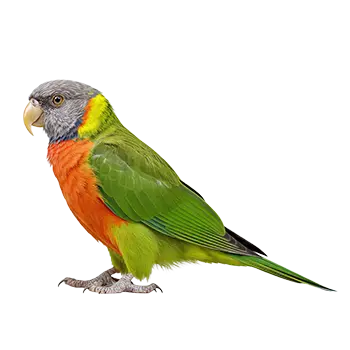
In visual art, parrots have been subjects of fascination for centuries, from the detailed natural history illustrations of the eighteenth and nineteenth centuries to contemporary wildlife art. The Red-bellied Parrot, with its subtle green plumage and the male's striking orange belly, has been rendered in both scientific illustration and artistic interpretation. Wildlife artists working in East Africa sometimes include the species in compositions that depict the characteristic birdlife of the savanna and dry woodland ecosystems.

The species also appears in photography collections focused on African birds, where its relatively approachable nature in the wild and distinctive sexual dimorphism make it a rewarding subject for bird photographers visiting Kenya and Ethiopia.

Internet & Social Media

The internet has arguably done more for the Red-bellied Parrot's public profile than any other medium. Social media platforms have given owners a way to share their birds' personalities with a global audience, and the species' endearing behaviors translate well to short video formats. Clips of Red-bellied Parrots chattering, playing with toys, cuddling with their owners, or displaying their characteristic head-bobbing have accumulated significant view counts on platforms dedicated to pet content.

Dedicated Facebook groups and online forums serve as gathering places for Red-bellied Parrot owners and breeders. These communities range from small, tightly knit groups of experienced aviculturists to larger, more casual spaces where new owners seek advice on everything from diet to behavioral quirks. The collective knowledge shared in these spaces has become an invaluable resource, particularly for owners in regions where avian veterinarians with Poicephalus experience may be scarce.

The species' relative rarity in the pet trade works in its favor on social media, where novelty and distinctiveness attract attention. Many viewers encountering a Red-bellied Parrot for the first time express surprise at its beauty, personality, and the depth of bond it forms with its owner. These reactions often spark curiosity that leads people to research the species further, expanding the community of admirers and potential future owners.

Breeder websites and avicultural blogs have also contributed to the species' online presence. Detailed care guides, breeding journals, and photo galleries hosted by experienced keepers provide a depth of information that complements the more casual content found on social media platforms.

Advertising & Branding

The Red-bellied Parrot has not become a significant figure in advertising or commercial branding. The species lacks the instant name recognition of parrots like the African Grey or the Scarlet Macaw, which limits its appeal to marketers seeking an immediately identifiable animal symbol. Advertising campaigns that feature parrots tend to reach for the largest and most colorful species, prioritizing visual spectacle over subtlety.

Within the pet industry, however, the Red-bellied Parrot does appear in product marketing aimed at bird owners. Manufacturers of bird toys, cages, and specialty diets sometimes feature Poicephalus species in their promotional materials, recognizing that owners of these mid-sized parrots represent a dedicated and growing market segment. The species may appear in catalog imagery or on packaging designed to appeal to keepers of African parrots specifically.

Avicultural breeders use the Red-bellied Parrot's distinctive appearance and reputation for gentle temperament as selling points in their own marketing. Breeder websites and social media accounts often emphasize the species' qualities as a companion bird — its manageable size, moderate noise level, and capacity for affection — positioning it as an ideal choice for bird lovers who want a parrot with personality but without the demands of a larger species.

The species' understated elegance and loyal following among knowledgeable bird keepers give it a niche appeal that, while unlikely to drive mass-market advertising campaigns, resonates strongly within the communities that know and appreciate it.

The Popularity Effect

The Red-bellied Parrot occupies an interesting position in the dynamics of pet bird popularity. It has never experienced the kind of surge in demand that followed high-profile media appearances of species like the African Grey Parrot or the Budgerigar. This relative obscurity has been something of a double-edged sword: it has spared the species from the impulse purchases and subsequent rehoming that often follow a spike in popularity, but it has also meant that public awareness and conservation attention remain limited.

Among experienced bird keepers, the Red-bellied Parrot enjoys a strong reputation that circulates primarily through word of mouth and online communities. Owners who discover the species often become passionate advocates, sharing their experiences and encouraging others to consider the bird as a companion. This grassroots enthusiasm has produced a slow but steady growth in the species' popularity, driven by genuine appreciation rather than media hype.

The pattern of gradual, community-driven popularity growth has generally benefited the species' welfare in captivity. Birds tend to end up with owners who have done their research and are prepared for the commitment involved. Breeders report that prospective buyers for Red-bellied Parrots often come to them already informed about the species' needs, temperament, and lifespan, which contrasts sharply with the experience of breeders working with more trendy species.

As the broader pet bird community continues to mature and prioritize informed ownership over impulse acquisition, species like the Red-bellied Parrot stand to benefit. Their appeal to thoughtful, dedicated keepers aligns well with a cultural shift toward responsible pet ownership, and their growing online visibility ensures that people who would appreciate them are increasingly likely to discover them.

Always consult a qualified professional before making any health-related decisions. This content is provided for informational reference only and should not replace professional guidance specific to your animal.