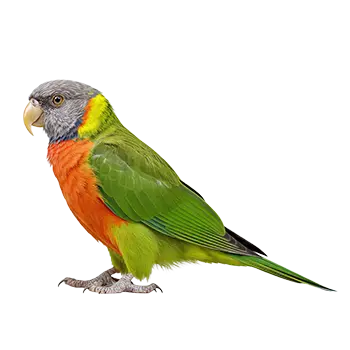

CITES & International Trade Protections

The Red-bellied Parrot is listed under Appendix II of the Convention on International Trade in Endangered Species of Wild Fauna and Flora (CITES). This classification means that international commercial trade in wild-caught Red-bellied Parrots is regulated to ensure that such trade does not threaten the survival of the species. Any international shipment of Red-bellied Parrots — whether wild-caught or captive-bred — requires appropriate CITES documentation, including export permits from the country of origin and, in many cases, import permits from the receiving country.

Appendix II listing does not prohibit trade outright but establishes a framework of oversight. Exporting countries must confirm that specimens were legally obtained and that exports will not be detrimental to wild populations. For captive-bred birds, breeders typically need to demonstrate that their stock was established legally and that breeding operations comply with national regulations implementing CITES requirements.

The practical effect of CITES regulation is that the vast majority of Red-bellied Parrots available in the pet trade in North America, Europe, and other major markets are domestically bred. The days of large-scale importation of wild-caught African parrots have largely ended, replaced by networks of domestic breeders who produce birds under legal frameworks that emphasize traceability and welfare.

Prospective owners should be aware that purchasing a Red-bellied Parrot from a reputable breeder who can provide documentation of the bird's captive-bred status is not only a legal safeguard but also an ethical choice that supports conservation goals. Buyers who encounter birds offered without clear provenance should exercise caution and consider consulting with avicultural organizations or wildlife authorities.

Ownership Permits & Local Regulations

Legal requirements for owning a Red-bellied Parrot vary significantly depending on the owner's location. In the United States, there is no federal prohibition on keeping Red-bellied Parrots as pets, but individual states, counties, and municipalities may impose their own regulations. Some jurisdictions require permits for keeping exotic birds, while others have no specific requirements beyond general animal welfare standards.

In the European Union, member states implement CITES regulations through the EU Wildlife Trade Regulations, which may impose additional requirements on parrot ownership. Some countries require registration of CITES-listed birds, and owners may need to maintain documentation proving the legal origin of their pets. The specifics vary from country to country, and owners are responsible for understanding and complying with the regulations applicable in their jurisdiction.

Australian regulations on exotic bird ownership are notably strict. The importation of parrots not native to Australia is generally prohibited, and keeping exotic parrot species requires specific permits that may be difficult to obtain. Prospective owners in Australia should consult their state or territory wildlife authority before attempting to acquire a Red-bellied Parrot.

Regardless of location, prospective owners should research local ordinances that may affect their ability to keep a parrot. Some homeowner associations, rental agreements, and municipal noise ordinances may restrict or complicate bird ownership. While the Red-bellied Parrot is quieter than many parrot species, understanding the full regulatory landscape before acquiring a bird helps prevent complications down the road.

Liability & Insurance Considerations

Parrot ownership carries liability considerations that owners should understand. While the Red-bellied Parrot is a relatively small and generally gentle species, any bird with a beak capable of delivering a bite can potentially injure a person, particularly a child or someone unfamiliar with handling birds. Owners bear responsibility for ensuring that their birds are managed safely and that visitors are aware of appropriate interaction protocols.

Homeowner's and renter's insurance policies vary in their treatment of pet birds. Some policies cover liability related to pet ownership as a standard feature, while others may exclude exotic animals or require additional riders. Owners should review their insurance coverage and discuss their bird ownership with their insurance provider to ensure adequate protection.

In the event that a Red-bellied Parrot causes property damage — for example, by chewing on woodwork, electrical cords, or furnishings during supervised or unsupervised time outside its cage — the financial responsibility falls on the owner. While such damage is typically minor compared to that caused by larger parrot species, it is a practical consideration that factors into the overall cost and responsibility of ownership.

Liability can also arise in situations where a bird escapes and causes a disturbance or is perceived as a nuisance by neighbors. While escaped Red-bellied Parrots are unlikely to establish feral populations outside tropical climates, the immediate disruption and potential for the bird to be harmed or lost make secure housing an important aspect of responsible ownership.

Housing & Zoning Restrictions

Zoning regulations and housing policies can affect the ability to keep a Red-bellied Parrot. In urban and suburban settings, local zoning codes may classify parrots as exotic animals subject to specific restrictions or permit requirements. These regulations are often written with larger or more disruptive animals in mind, but their language may technically encompass smaller parrot species as well.

Renters face additional considerations. Many lease agreements include clauses restricting or prohibiting pets, and exotic birds may be specifically excluded even in pet-friendly properties. Landlords who permit cats or dogs may not extend the same allowance to parrots, citing concerns about noise, property damage, or allergen issues. Prospective parrot owners who rent should discuss their plans with their landlord and seek written permission before acquiring a bird.

Condominium and homeowner association rules can impose similar restrictions. Some associations have blanket bans on exotic pets, while others allow them with conditions. Noise is often the primary concern in shared housing environments, and while the Red-bellied Parrot is quieter than many parrot species, even moderate vocalizations can become a point of contention in close-quarters living situations.

Owners in all housing situations should also consider the practical requirements of parrot keeping when evaluating their living space. Adequate room for a properly sized cage, safe areas for out-of-cage time, and appropriate ventilation are all factors that interact with housing constraints. Ensuring that the living environment is suitable for the bird's welfare is both a practical and, in many jurisdictions, a legal responsibility.

Import & Export Regulations

Importing or exporting a Red-bellied Parrot across international borders is a regulated process that requires careful preparation and compliance with multiple legal frameworks. Beyond CITES documentation, importers must typically satisfy national quarantine requirements designed to prevent the introduction of avian diseases. In the United States, the USDA's Animal and Plant Health Inspection Service (APHIS) oversees the importation of live birds and requires that imported parrots undergo quarantine at approved facilities.

The European Union imposes its own quarantine and health certification requirements for imported birds. These regulations were significantly tightened in response to concerns about avian influenza and other transmissible diseases. Importers must work with accredited veterinarians and government authorities in both the exporting and importing countries to ensure compliance.

The Wild Bird Conservation Act of 1992 in the United States effectively ended the mass importation of wild-caught parrots into the country. While captive-bred birds may still be imported under specific conditions, the regulatory burden is substantial and the process is not commonly undertaken by individual pet owners. Most people acquiring a Red-bellied Parrot in the United States will source their bird from a domestic breeder.

For owners who need to travel internationally with their pet parrot — for example, during a permanent relocation — the process involves obtaining health certificates, CITES permits, and meeting the destination country's import requirements. This can be a lengthy and expensive process, and owners contemplating an international move should begin researching requirements well in advance. Some countries may not permit the importation of parrots at all, which can present difficult decisions for relocating bird owners.

Rescue, Rehoming & Shelter Law

The legal landscape surrounding parrot rescue and rehoming reflects the unique challenges posed by long-lived companion animals. A Red-bellied Parrot with a lifespan of twenty to thirty years may outlive its owner's ability or willingness to provide care, creating a need for rehoming options that are not always straightforward from a legal perspective.

Parrot rescue organizations operate under varying legal frameworks depending on their jurisdiction. Many function as nonprofit entities subject to regulations governing animal shelters and rescue operations, including requirements for facility standards, veterinary care, and adoption procedures. These organizations play a vital role in providing a safety net for Red-bellied Parrots and other species whose owners can no longer care for them.

Private rehoming of parrots between individuals is generally legal but may be subject to local regulations. In jurisdictions where exotic bird ownership requires permits, transfers of ownership may need to be documented and reported to wildlife authorities. Sellers and buyers should ensure that any transfer complies with applicable regulations and that the bird's provenance documentation accompanies it to its new home.

Estate planning is an often-overlooked legal consideration for parrot owners. Given the Red-bellied Parrot's potential lifespan, owners should make provisions for their bird's care in the event of their own incapacity or death. This may involve designating a caretaker in a will, establishing a pet trust where legally available, or making arrangements with a rescue organization. Taking these steps ensures that the bird's welfare is protected regardless of changes in the owner's circumstances.

Animal welfare laws also apply to parrot ownership, and neglect or abuse of a Red-bellied Parrot can result in legal consequences including fines, seizure of the animal, and in severe cases, criminal charges. Standards for adequate care typically include appropriate housing, nutrition, veterinary attention, and social interaction, all of which are essential components of responsible parrot ownership.

Always consult a qualified professional before making any health-related decisions. This content is provided for informational reference only and should not replace professional guidance specific to your animal.