
Car Travel

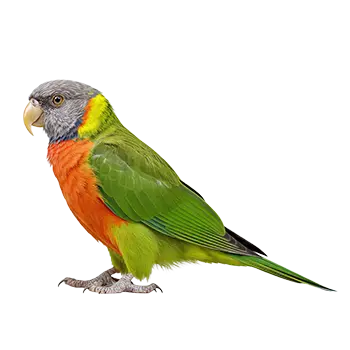
Traveling by car with a Red-bellied Parrot is the most straightforward and commonly used method of transport for veterinary visits, short trips, and relocations. The key to a successful car journey is a secure, appropriately sized travel carrier. A small to medium hard-sided carrier with a secure door latch works well for this species. The carrier should be large enough for the bird to turn around and perch comfortably but small enough to prevent the bird from being thrown around during sudden stops or turns.

Positioning the carrier safely within the vehicle is important. The carrier should be placed on a flat, stable surface — ideally secured with a seatbelt on the back seat or placed on the floor behind the front seats. Avoid placing the carrier in direct sunlight, on the dashboard, or in the cargo area of an SUV or hatchback where temperature regulation is poor and the bird is exposed to exhaust fumes or extreme temperatures.

Temperature control is a critical consideration when traveling with any parrot. Red-bellied Parrots are sensitive to both extreme heat and cold, and a car's interior can fluctuate rapidly. Run the climate control system to maintain a comfortable temperature and never leave the bird unattended in a parked vehicle, even for short periods. On warm days, interior temperatures can reach dangerous levels within minutes, and cold weather poses equal risks.

For longer car journeys, plan regular stops to offer the bird water and check on its condition. Covering the carrier partially with a light cloth can help reduce visual stimulation and keep the bird calm, but ensure adequate airflow at all times. Most Red-bellied Parrots tolerate car travel well once they become accustomed to the routine, and short practice trips can help desensitize a bird that initially finds the experience stressful.

Air Travel

Air travel with a Red-bellied Parrot requires significantly more planning than car travel and is subject to airline-specific policies that can change without notice. Most airlines that accept live animals allow small birds to travel in the cabin in an approved carrier that fits under the seat, but policies regarding exotic birds vary widely. Some airlines do not accept parrots at all, while others permit them only on certain routes or with advance arrangements.

Before booking a flight, contact the airline directly to confirm its current policy on parrot transport. Ask specifically about carrier size requirements, health documentation needed, and any breed or species restrictions. Airlines that allow in-cabin bird travel typically require a health certificate issued by a licensed veterinarian within a specified window before the flight, often seven to ten days. Some airlines also require proof of legal ownership and, for international flights, CITES documentation.

The flight environment presents unique challenges for parrots. Cabin pressure changes, engine noise, and the general commotion of air travel can be stressful for a bird accustomed to a quiet home environment. Placing a familiar small toy or a piece of fabric from the bird's cage area in the carrier can provide comfort. Offering a small amount of fresh fruit before boarding helps with hydration, as water dishes are impractical during flight.

International air travel adds layers of complexity, including quarantine requirements, import permits, and destination-country regulations on exotic animal importation. Owners planning international moves with their Red-bellied Parrot should begin the permit and documentation process months in advance, as processing times can be lengthy. Working with a professional pet transport service experienced in avian shipping can help navigate the bureaucratic requirements and reduce the risk of complications at customs.

Pet-Friendly Accommodations

Finding accommodations that welcome a Red-bellied Parrot requires more effort than booking a pet-friendly hotel for a dog or cat. The pet-friendly label in the hospitality industry overwhelmingly caters to dogs and sometimes cats, and many properties that describe themselves as pet-friendly do not extend that welcome to birds. Always contact the property directly to confirm that parrots are permitted before making a reservation.

When a suitable accommodation is found, prepare the room to ensure the bird's safety and comfort. Inspect the space for potential hazards such as exposed wiring, open windows without screens, ceiling fans, and toxic substances like air fresheners or scented candles. Cover mirrors and large windows to prevent flight injuries if the bird will have any out-of-cage time. Bringing the bird's travel cage along with familiar perches and toys helps create a sense of normalcy in an unfamiliar environment.

Noise considerations are important in shared accommodation settings. While Red-bellied Parrots are among the quieter parrot species, they may vocalize more than usual in unfamiliar surroundings due to stress or excitement. Being mindful of neighboring guests and choosing ground-floor or end-of-hall rooms when possible can help minimize disturbance. A partially covered cage can help the bird settle, particularly during evening hours.

Vacation rental properties sometimes offer more flexibility than hotels for bird owners. The ability to control the environment, avoid shared walls, and have access to a kitchen for preparing fresh food makes rentals an attractive option. However, the same due diligence applies — confirm with the property owner that birds are allowed and discuss any specific concerns related to the species before arriving.

Boarding & Pet Sitting

When travel without the bird is the best option, finding qualified care for a Red-bellied Parrot requires specific attention to the caregiver's experience with parrots. General pet boarding facilities designed for dogs and cats are rarely suitable for birds. The noise, activity levels, and environmental conditions in such facilities can be extremely stressful for a parrot, and staff may lack the knowledge needed to handle and care for an avian species properly.

Specialty avian boarding facilities exist in some areas and are the preferred option when available. These facilities are designed with the needs of birds in mind, offering appropriate temperature and humidity control, natural lighting, and staff trained in avian care. They can also monitor the bird's health and behavior for signs of stress or illness, providing an added layer of safety during the owner's absence.

In-home pet sitting is often the least disruptive option for a Red-bellied Parrot. Remaining in its familiar environment with its regular cage, routine, and surroundings reduces stress significantly. The challenge is finding a pet sitter with genuine experience handling parrots. An inexperienced sitter may not recognize signs of distress or illness, may handle the bird incorrectly, or may fail to maintain the dietary and environmental standards the bird requires.

When hiring a pet sitter, provide detailed written instructions covering the bird's diet, daily routine, behavioral norms, emergency contacts including an avian veterinarian, and any handling guidelines. A meet-and-greet session before the owner's departure allows the sitter and the bird to become acquainted and gives the owner an opportunity to observe the sitter's comfort level with the species. For birds that are bonded primarily to one person, a trusted friend or family member who has interacted with the bird previously is often a better choice than a professional sitter encountering the species for the first time.

Emergency Preparedness

Emergency preparedness for a Red-bellied Parrot owner means having a plan that accounts for the bird's specific needs in situations ranging from natural disasters to sudden veterinary emergencies. The foundation of any emergency plan is a ready-to-go travel kit that includes a travel carrier, a supply of the bird's regular food and any supplements, bottled water, basic first aid supplies, and copies of veterinary records and ownership documentation.

Natural disasters such as hurricanes, wildfires, earthquakes, and severe storms require advance planning for evacuation with a pet bird. Not all emergency shelters accept animals, and those that do may not accommodate birds. Identify pet-friendly shelters, hotels, or out-of-area contacts who can house you and your bird in advance of any emergency. Having this information compiled and accessible eliminates critical decision-making time during a crisis.

Veterinary emergencies present their own challenges for parrot owners. Avian veterinarians are less common than small-animal practitioners, and finding one during off-hours or in an unfamiliar area can be difficult. Maintain a list of avian veterinarians in your area and along any travel routes you commonly use. The Association of Avian Veterinarians maintains a directory that can help locate qualified practitioners. In a true emergency, even a general-practice veterinarian can provide stabilizing care while arrangements are made for avian-specific treatment.

Power outages pose a particular risk for parrot owners in regions with extreme temperatures. Without climate control, indoor temperatures can quickly become dangerous for a bird adapted to moderate conditions. Battery-operated or hand-warmer-based heat sources for the bird's carrier, along with insulating cage covers, should be part of any cold-weather emergency kit. In hot climates, knowing where to find air-conditioned shelter and having a battery-powered fan for the carrier can be equally important.

Finally, every Red-bellied Parrot owner should ensure their bird is identifiable in the event of an escape or separation during an emergency. A closed leg band, microchip, or clear photographs of the bird's unique markings can all aid in reunification. Registering the bird with online lost-and-found parrot databases and maintaining current contact information with local avian rescue organizations adds an additional layer of preparedness that can make the difference between a lost bird and a recovered one.

Always consult a qualified professional before making any health-related decisions. This content is provided for informational reference only and should not replace professional guidance specific to your animal.