
Film & Television

The Lineolated Parakeet has not achieved the screen presence of larger, more visually dramatic parrot species. Macaws, Cockatoos, and African Greys have long dominated avian roles in film and television due to their size, vivid plumage, and capacity for clear speech. The Lineolated Parakeet's modest dimensions and subtle coloring have made it an unlikely candidate for starring roles, though it has appeared as an uncredited background bird in a handful of nature documentaries and lifestyle programs focused on pet care.

Television segments on exotic pets and small companion birds have occasionally featured Lineolated Parakeets, particularly on programs aimed at educating prospective bird owners about alternatives to the more commonly seen Budgerigar and Cockatiel. These appearances, while brief, have helped introduce the species to a wider audience. Veterinary reality shows and pet-focused lifestyle programs in Europe have been somewhat more likely to include the species, reflecting its stronger following in German and Dutch avicultural circles.

Nature documentaries covering the cloud forests of Central and South America have sometimes captured Lineolated Parakeets in their natural habitat, though the species' quiet behavior and excellent camouflage mean that footage tends to be fleeting. When these moments do appear in major documentary productions, they offer viewers a rare glimpse of the bird in its wild context — a striking contrast to the tame, colorful mutation birds most people associate with the species.

As interest in the Lineolated Parakeet continues to grow, it is possible that the species will receive more dedicated screen time in future productions. The trend toward highlighting lesser-known and unusual pet species in digital media and streaming content could work in the Lineolated Parakeet's favor, particularly as content creators seek fresh subjects for bird-focused programming.

Literature & Art

Lineolated Parakeets appear in ornithological literature dating back to their initial scientific description in the mid-nineteenth century, and they have been the subject of detailed species accounts in major works on Neotropical birds. John Gould and other prominent natural history illustrators of the Victorian era produced hand-colored lithographs of the species, depicting the characteristic barred plumage with remarkable accuracy. These early illustrations remain prized by collectors and serve as important historical documents of how the species was understood and represented in the age of exploratory ornithology.

In modern avicultural literature, the Lineolated Parakeet has been the subject of several dedicated care and breeding guides. Authors with firsthand experience raising and breeding the species have produced books covering everything from diet and housing to the genetics of color mutations, providing a practical library for owners and breeders. These publications, while niche, reflect the depth of knowledge that has accumulated around the species over several decades of captive husbandry.

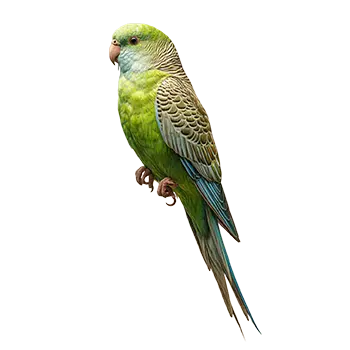
The Lineolated Parakeet has also found a place in contemporary bird art. Wildlife artists specializing in parrots and parakeets have included the species in both scientific illustration and more interpretive artistic works. The bird's subtle beauty — the fine black barring over soft green plumage — presents an appealing subject for artists drawn to understated natural elegance rather than the bold primary colors of tropical macaws and lorikeets.

Children's books about pet birds occasionally feature Lineolated Parakeets, though they remain far less common than Budgerigars or Cockatiels in this genre. As the species becomes better known among pet owners, its representation in illustrated guides and storybooks for young readers is likely to expand, helping a new generation become familiar with this gentle and approachable parrot.

Internet & Social Media

The internet has been transformative for the Lineolated Parakeet's visibility. Before the rise of online forums and social media, information about the species was largely confined to specialized avicultural publications and breed society newsletters with limited circulation. The emergence of dedicated online communities in the early 2000s allowed Lineolated Parakeet enthusiasts from around the world to connect, share breeding results, and exchange care advice in ways that had never previously been possible.

Social media platforms have amplified the Lineolated Parakeet's appeal enormously. Short-form video content on platforms like YouTube, TikTok, and Instagram Reels has proven to be a particularly effective medium for showcasing the species' endearing behavior. Videos of Lineolated Parakeets walking sideways along perches, chattering softly, performing trained behaviors, or simply cuddling with their owners have collectively garnered millions of views. The species' calm and photogenic nature makes it well-suited to the visual demands of social media content creation.

Dedicated Facebook groups and subreddits for Lineolated Parakeet owners have grown into active communities with thousands of members. These forums serve as clearinghouses for care information, mutation identification, breeder recommendations, and the kind of day-to-day sharing of pet experiences that builds a strong sense of community among owners. The accessibility of these platforms has been particularly important for new owners who may have few local resources for learning about the species.

The hashtag communities around Lineolated Parakeets — often using abbreviations like "linnie" or "linnies" — have helped create a recognizable brand identity for the species on social media. This informal marketing has arguably done more to increase the Lineolated Parakeet's popularity in the twenty-first century than any formal promotional effort, demonstrating the power of grassroots enthusiasm in shaping public awareness of niche pet species.

Advertising & Branding

The Lineolated Parakeet has not been widely used in mainstream advertising or corporate branding. Unlike the iconic Budgerigar, which has appeared in campaigns for everything from household cleaners to insurance companies, the Lineolated Parakeet remains too obscure for most advertisers to consider as a recognizable visual symbol. Its relatively low public profile means that using the species in a mass-market campaign would require explanation, undermining the instant recognition that advertisers typically seek from animal imagery.

Within the pet industry, however, the Lineolated Parakeet has begun to appear in product marketing and brand imagery with increasing frequency. Manufacturers of bird cages, toys, and specialty diets have featured the species in promotional materials, particularly those aimed at the small parrot segment of the market. As breeders and retailers recognize the growing demand for Lineolated Parakeets, the species is becoming a more common presence in pet industry catalogs and trade show displays.

Some specialty avicultural brands have adopted the Lineolated Parakeet as a mascot or brand element, using its image on packaging, website design, and promotional merchandise. These niche applications reflect the species' strong appeal within the bird-keeping community, even if that appeal has not yet crossed over into broader commercial use. The bird's attractive appearance and positive associations with calm, gentle companionship make it a natural choice for brands seeking to connect with dedicated bird enthusiasts.

As the species' popularity continues to grow, its commercial visibility is likely to expand as well. The trend toward featuring unusual and lesser-known pets in lifestyle and wellness branding could open new opportunities for the Lineolated Parakeet to appear in contexts beyond traditional pet product marketing, particularly in digital advertising and influencer-driven campaigns.

The Popularity Effect

The gradual rise of the Lineolated Parakeet in popular awareness has had measurable effects on demand, pricing, and the structure of the avicultural community surrounding the species. As social media exposure and word-of-mouth recommendations have drawn more people to the species, breeders have reported increased demand for hand-raised companion birds, particularly in desirable color mutations. This demand has, in some markets, led to waiting lists and premium pricing for certain mutation varieties.

The growing popularity of the Lineolated Parakeet has also brought challenges. As with any pet species that experiences a surge in demand, there is a risk that inexperienced or irresponsible breeders will enter the market, prioritizing volume over the health and welfare of their birds. Established breed societies and experienced breeders have responded by emphasizing the importance of responsible breeding practices, proper socialization of young birds, and honest communication with buyers about the species' care requirements.

Rescue and rehoming organizations have begun to see Lineolated Parakeets appearing among their intake populations, a trend that typically follows a rise in popularity for any pet species. While the numbers remain small compared to more commonly kept birds, the emergence of dedicated Lineolated Parakeet rescue networks reflects both the species' growing presence in homes and the reality that not every adoption ends in a lifelong commitment. These organizations play an increasingly important role in ensuring that birds in need of new homes are matched with qualified adopters.

The overall trajectory of the Lineolated Parakeet's popularity appears sustainable rather than faddish. Unlike some pet species that spike in demand following a movie appearance or celebrity endorsement and then fade, the Lineolated Parakeet has built its following gradually through genuine owner satisfaction and community advocacy. This organic growth pattern suggests that the species will continue to gain ground as a respected and well-supported companion bird for years to come.

Always consult a qualified professional before making any health-related decisions. This content is provided for informational reference only and should not replace professional guidance specific to your animal.