
CITES & International Wildlife Law

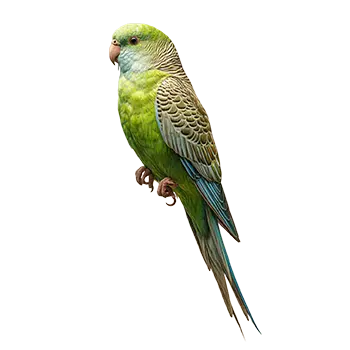
The Lineolated Parakeet is listed under Appendix II of the Convention on International Trade in Endangered Species of Wild Fauna and Flora (CITES). This listing does not prohibit trade in the species, but it does require that any international movement of Lineolated Parakeets — whether wild-caught or captive-bred — be accompanied by appropriate CITES permits issued by the exporting country's designated management authority. The purpose of this regulation is to ensure that international trade does not threaten the long-term survival of wild populations.

For most pet owners and breeders, the practical impact of the CITES listing is encountered primarily when importing or exporting birds across national borders. A CITES export permit must be obtained from the country of origin, and some importing countries also require a corresponding import permit. The documentation process can be time-consuming and requires proof that the birds in question were legally acquired, typically through captive breeding records or purchase documentation from licensed breeders.

The distinction between wild-caught and captive-bred birds is significant under CITES regulations. Captive-bred Lineolated Parakeets that can be documented as bred in controlled conditions by a licensed facility generally face fewer regulatory hurdles than wild-caught specimens. Many countries have effectively ceased the importation of wild-caught parrots altogether, meaning that virtually all Lineolated Parakeets entering the pet trade today are captive-bred and must be documented as such.

Prospective owners and breeders should be aware that CITES regulations are enforced with varying degrees of rigor in different countries. Some nations maintain strict permitting and inspection regimes, while others have less robust enforcement infrastructure. Regardless of local enforcement intensity, compliance with CITES requirements is a legal obligation, and violations can carry substantial penalties including fines, confiscation of birds, and in some cases criminal prosecution.

National & State Ownership Requirements

In the United States, Lineolated Parakeets are legal to own in all fifty states, though specific regulations governing their keeping vary considerably at the state and local level. Some states require permits for the ownership or breeding of any parrot species, while others impose no special requirements beyond general animal welfare standards. Prospective owners should research the regulations applicable in their specific jurisdiction before acquiring a Lineolated Parakeet.

Several states maintain exotic animal or pet bird permit systems that may apply to Lineolated Parakeets. In these jurisdictions, owners may need to register their birds, pay an annual permit fee, or submit to periodic inspections. The requirements are generally straightforward and inexpensive, but failure to comply can result in fines or confiscation. States with particularly active wildlife regulatory agencies may also require breeders to hold separate breeding permits in addition to basic ownership permits.

In the European Union, the regulatory landscape for parrot ownership reflects the bloc's strong emphasis on wildlife trade controls. EU regulations implementing CITES requirements establish a framework for the legal keeping and sale of parrots, including Lineolated Parakeets. Individual member states may impose additional requirements such as mandatory closed-band ringing of captive-bred birds, registration with national wildlife authorities, or proof of legal acquisition at the time of sale.

Australia, New Zealand, and several other countries maintain strict biosecurity and wildlife importation laws that can affect the availability of Lineolated Parakeets. Australia's longstanding ban on the importation of most exotic bird species means that the Lineolated Parakeet is not legally available in that country. Prospective owners in countries with restrictive import regimes should verify the legal status of the species before attempting to acquire one.

Liability & Insurance

Liability concerns for Lineolated Parakeet owners are generally modest compared to those associated with larger parrot species or other exotic pets. The species' small size, gentle temperament, and quiet vocalizations mean that it poses minimal risk of injury to humans or disturbance to neighbors. However, basic liability awareness remains important for any pet owner, and understanding potential exposure can help prevent problems before they arise.

Homeowner's and renter's insurance policies vary in their treatment of exotic pets, including pet birds. While some policies cover pet-related liability as a standard feature, others may exclude exotic animals or require a rider for coverage. Lineolated Parakeet owners should review their insurance policies to understand whether bird-related incidents — such as a visitor being bitten or property being damaged by a free-flying bird — would be covered under their existing plan.

Breeders who sell Lineolated Parakeets face additional liability considerations. Buyers who receive birds with undisclosed health problems, misidentified mutations, or other issues may seek recourse from the seller. Written sales agreements that clearly describe the bird being sold, any health guarantees offered, and the terms of any return or refund policy can help protect both parties and reduce the likelihood of disputes. Some breeders carry small business or professional liability insurance to provide an additional layer of protection.

Landlords and property management companies may impose restrictions on pet bird ownership that affect Lineolated Parakeet keepers. While the species' low noise output makes it an easier sell in rental situations than many other parrot species, lease agreements that prohibit pets or exotic animals may still apply. Owners who keep birds in rental housing should ensure that they have written permission from their landlord to avoid potential conflicts.

Housing & Zoning Restrictions

Municipal zoning ordinances and homeowners' association rules can affect Lineolated Parakeet ownership, particularly for breeders who maintain multiple birds. Most residential zoning designations permit the keeping of a reasonable number of pet birds without special authorization, but breeding operations that involve larger numbers of birds, regular sales, or customer visits may be classified as home-based businesses and subjected to additional zoning requirements.

Homeowners' associations in planned communities and condominiums may have pet policies that restrict or prohibit bird ownership. These restrictions vary widely and may range from outright bans on all pets to limits on the number of animals allowed or requirements that pets not create noise disturbances. The Lineolated Parakeet's exceptionally quiet nature may work in an owner's favor when negotiating with an HOA, but written approval is always advisable before bringing a bird into a community with restrictive pet policies.

Noise ordinances represent one area where Lineolated Parakeet owners have a significant advantage over keepers of larger, louder parrot species. Complaints about parrot noise are a leading cause of neighbor disputes and regulatory action involving pet birds, and species like Cockatoos, Macaws, and some Conures can easily generate sound levels that violate residential noise standards. The Lineolated Parakeet's soft vocalizations rarely if ever approach the threshold that would trigger a noise complaint, making it one of the most apartment-friendly parrot species available.

Owners considering outdoor housing or flight aviaries for Lineolated Parakeets should verify that their local zoning regulations permit such structures. Outdoor aviaries may be subject to building permit requirements, setback rules, and height restrictions. In areas where Lineolated Parakeets could survive if they escaped — generally tropical and subtropical regions — local wildlife authorities may also have concerns about the potential for establishment of feral populations, though this risk is minimal in most temperate climates.

Import & Export Regulations

The importation and exportation of Lineolated Parakeets across national borders is governed by a combination of CITES requirements, national wildlife laws, and agricultural and biosecurity regulations. In the United States, the Wild Bird Conservation Act of 1992 effectively ended the mass importation of wild-caught parrots, including Lineolated Parakeets, and established a permit system for the limited importation of captive-bred birds for approved breeding programs. Most Lineolated Parakeets entering the U.S. market today are domestically bred.

For breeders or owners who wish to import or export Lineolated Parakeets, the process typically involves obtaining CITES permits from both the exporting and importing countries, meeting any quarantine requirements imposed by the destination country, and providing documentation of the birds' captive-bred status. The United States Department of Agriculture (USDA) requires that imported birds undergo a quarantine period at an approved facility to screen for avian diseases, a process that can add significant time and expense to international transactions.

The European Union maintains its own set of import regulations for parrots that supplement CITES requirements. Birds entering the EU from third countries must comply with specific health certification requirements, and imports may be restricted from countries experiencing outbreaks of notifiable avian diseases. Within the EU, movement of captive-bred parrots between member states is somewhat simpler but still requires appropriate documentation, including closed-band identification for captive-bred birds.

Countries with particularly stringent biosecurity regimes, such as Australia and New Zealand, effectively prohibit the importation of Lineolated Parakeets under their exotic animal and biosecurity legislation. These bans are designed to protect native wildlife and agriculture from introduced species and diseases, and they apply broadly to most exotic bird species regardless of their conservation status. Prospective importers should thoroughly research the regulatory requirements of their specific destination country before initiating any cross-border transaction.

Rescue, Rehoming & Welfare Law

Animal welfare legislation in most jurisdictions establishes minimum standards of care for pet birds, including Lineolated Parakeets. These standards typically address housing conditions, access to food and water, veterinary care, and protection from abuse and neglect. While the specific requirements vary by jurisdiction, the general principle that pet birds must be provided with appropriate living conditions and humane treatment is broadly established in law across most developed countries.

Rescue organizations that take in surrendered or confiscated Lineolated Parakeets operate within a legal framework that governs how animals are received, housed, and rehomed. In the United States, many states require rescue organizations to register with their state department of agriculture or equivalent agency, maintain records of animals in their care, and comply with inspection requirements. Some jurisdictions impose holding periods before surrendered animals can be placed for adoption, and others require that rescued birds be examined by a licensed veterinarian before rehoming.

The legal landscape around pet bird surrender and abandonment varies considerably. In some jurisdictions, the intentional abandonment of a pet bird — including releasing it outdoors — is a criminal offense under animal cruelty statutes. Other jurisdictions treat abandonment as a civil matter or do not address it specifically. Owners who are unable to continue caring for a Lineolated Parakeet should be encouraged to surrender the bird to a reputable rescue organization or rehome it responsibly through established avicultural networks rather than abandoning it.

Breeder regulations represent another important area of welfare law. Some jurisdictions require that bird breeders hold specific licenses, submit to facility inspections, and maintain health and breeding records. These regulations are designed to prevent puppy-mill-style operations from emerging in the bird breeding community and to ensure that commercially bred birds receive appropriate care throughout their lives. Breeders of Lineolated Parakeets should familiarize themselves with the licensing and inspection requirements applicable in their jurisdiction to ensure full compliance.

Always consult a qualified professional before making any health-related decisions. This content is provided for informational reference only and should not replace professional guidance specific to your animal.