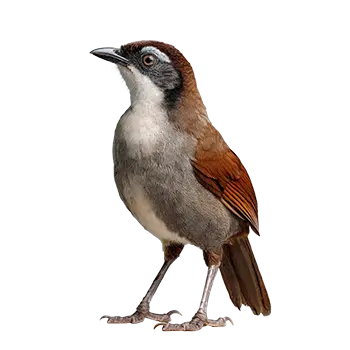

Preparing a laughing thrush for travel begins well before the journey itself, with a veterinary assessment that should take place no more than ten days prior to departure for domestic trips and within the timeframe specified by the destination country's regulations for international moves. An avian veterinarian experienced with passerine species should perform a thorough physical examination, assessing body condition, feather quality, respiratory function, and overall stress indicators. Laughing thrushes are sensitive to the physiological stress of travel, and any bird showing signs of illness, molt, or compromised condition should not be transported until it has recovered and been cleared for travel.
The documentation requirements for transporting laughing thrushes vary by jurisdiction but generally include a veterinary health certificate, proof of legal ownership, and, for CITES-listed species, the relevant CITES permits. A veterinary health certificate — often referred to as a Certificate of Veterinary Inspection (CVI) in the United States — attests that the bird has been examined by a licensed veterinarian and found to be in good health and free of signs of communicable disease. For international travel, this certificate typically must be endorsed by the national veterinary authority (such as APHIS in the United States or DEFRA in the United Kingdom) before it is recognized at the destination border.
Disease testing requirements have expanded significantly for international bird shipments, particularly in the wake of avian influenza outbreaks that have prompted importing countries to demand pre-export testing for highly pathogenic avian influenza (HPAI) and, in some cases, Newcastle disease and psittacosis. Testing protocols, sample types, and acceptable laboratory methodologies differ by destination, and keepers must confirm the exact requirements with the importing country's veterinary authority well in advance of the planned travel date. Failure to meet testing requirements to the letter can result in refusal of entry, mandatory quarantine at the owner's expense, or forced return of the bird to the country of origin.
For domestic travel within countries that do not require interstate health certificates for pet birds, the documentation burden is lighter but not negligible. Keepers should carry proof of ownership (purchase receipts, breeder certificates, closed-band records), any applicable permits or registration documents, and a copy of the bird's veterinary records. Even in jurisdictions where these documents are not legally required for domestic transport, having them readily available can prevent complications at traffic stops, airport security checkpoints, or state border agricultural inspection stations.