
Carrier Selection & Setup

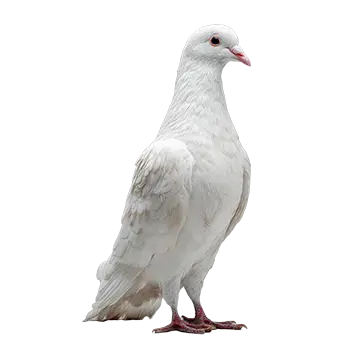
Choosing the right carrier is the foundation of safe King Pigeon transport. King Pigeons are large-bodied birds, typically weighing between 1.5 and 2.2 pounds, and they require a carrier that provides enough room to stand, turn around, and settle comfortably without being so spacious that the bird slides or tumbles during movement. Small hard-sided pet carriers designed for cats or small dogs work well for most King Pigeons, offering the structural rigidity needed to protect the bird during transit while providing adequate ventilation through side and door openings.

The carrier floor should be lined with a non-slip surface to give the bird secure footing. A folded towel or a piece of rubber shelf liner placed on the carrier floor prevents the pigeon from sliding on the smooth plastic base, which can cause stress and physical strain. Newspaper or paper towels layered over the non-slip base simplify cleanup, as pigeons will produce droppings during any trip longer than a few minutes. Avoid loose substrates like wood shavings or hay, which can shift during movement and create respiratory irritants in the enclosed carrier space.

Ventilation is critical but must be balanced against the bird's sensitivity to drafts and temperature extremes. Carriers with mesh or barred doors and side vents provide adequate airflow for most conditions. In cold weather, a lightweight cloth draped partially over the carrier can block direct drafts without sealing the ventilation entirely. In warm weather, the carrier should never be placed in direct sunlight, and owners should ensure that air flows freely around all ventilated surfaces.

For longer journeys, a small shallow dish of water can be attached inside the carrier, though many pigeons will not drink during active transport due to stress. Offering water during rest stops is a practical alternative. A small handful of the bird's regular seed or pellet mix placed on the carrier floor provides a familiar food source that the pigeon may pick at during calmer stretches of travel. Familiar scents and textures help reduce anxiety, so using bedding material from the bird's home enclosure in the carrier can have a calming effect.

Car Travel & Short Trips

Automobile travel is the most common form of transport for King Pigeons, whether for routine veterinary visits, adoption transfers, or local relocations. The breed's naturally calm temperament makes most Kings reasonably tolerant car passengers, particularly if they have been acclimated to carrier time through brief practice sessions at home before the first actual trip. A bird that has spent time in its carrier in a familiar setting will be less likely to panic when that carrier is moved to a new environment.

The carrier should be positioned on a flat, stable surface within the vehicle, ideally on the floor of the back seat or secured on the seat with a seatbelt threaded through the carrier handle. Placing the carrier on a car seat without securing it risks the carrier sliding or tipping during stops and turns, which can injure the bird and cause significant stress. The floor behind the front passenger seat is often the most stable location and also protects the carrier from direct sunlight through the windows.

Temperature management inside the vehicle is essential. King Pigeons are susceptible to both heat stress and chilling, and the interior of a parked car can reach dangerous temperatures within minutes even on moderately warm days. The vehicle's climate control system should maintain a comfortable temperature range between approximately 65 and 80 degrees Fahrenheit. Air vents should not blow directly onto the carrier, as concentrated airflow can chill or stress the bird even when the ambient temperature is comfortable.

For trips lasting more than an hour, plan stops every one to two hours to check on the bird, offer water, and assess its condition. A calm, resting pigeon with smooth plumage and normal breathing is handling the trip well. Signs of distress include open-mouth breathing, panting, fluffed or ruffled feathers held tightly against the body, and frantic movement within the carrier. If the bird shows signs of heat stress, moving the carrier to a cooler environment and offering water immediately are the appropriate first responses. Extended car trips across multiple hours are feasible with King Pigeons but require attentive monitoring and regular welfare checks.

Air Travel Policies & Procedures

Air travel with a King Pigeon is possible but involves considerably more complexity than ground transport. Airline policies regarding live birds vary substantially between carriers and are subject to change, so verifying current rules with the specific airline well in advance of travel is an essential first step. Most major airlines permit small birds in the cabin as carry-on pets, provided they are housed in an airline-approved carrier that fits under the seat. However, some airlines restrict cabin bird travel to certain species or impose seasonal embargoes during extreme weather months.

Airline-approved carriers for cabin travel must meet dimensional requirements that vary by airline and aircraft type but generally specify a maximum height, width, and depth that accommodates the under-seat space of coach seating. The carrier must be well ventilated, leak-proof, and secure enough to prevent the bird from escaping. Soft-sided carriers approved for airline use can work for King Pigeons, though hard-sided options offer better structural protection. Confirming that the specific carrier model is accepted by the airline before purchasing tickets avoids last-minute complications at the airport.

Documentation requirements for air travel with birds typically include a health certificate issued by an accredited veterinarian within a specified time frame before departure, often ten days. Some airlines require additional documentation such as proof of ownership or an acclimation certificate stating that the bird is healthy enough for the temperatures expected during transit. International flights introduce further requirements including import permits, quarantine documentation, and compliance with destination country biosecurity regulations.

Cargo hold travel is available on some airlines for birds that cannot travel in the cabin, but it presents substantially greater risks and is generally discouraged for King Pigeons. Temperature and pressure fluctuations in cargo holds, noise levels, handling by ground crews, and the inability to monitor the bird during the flight all contribute to a higher-stress and higher-risk experience. When cargo transport is the only option, using an airline with a dedicated live-animal program that guarantees climate-controlled holds and trained handling is strongly advisable. Whenever possible, direct flights should be booked to minimize total transit time and eliminate the additional handling associated with connections.

Veterinary Documentation & Health Preparation

Proper veterinary documentation is a prerequisite for most forms of King Pigeon travel beyond short local trips. The specific documents required depend on the mode of transport, the destination, and whether the journey crosses state or national borders. At minimum, a current health certificate from a licensed veterinarian is advisable for any trip of significant distance, and it is legally required for interstate transport in many jurisdictions and for all airline travel.

Health certificates for interstate travel in the United States are issued by USDA-accredited veterinarians and certify that the bird has been examined and found free of signs of communicable disease. The certificate is typically valid for 30 days from the date of examination, though some states or airlines impose shorter validity windows. The examining veterinarian should be experienced with avian patients, as a thorough avian health assessment involves evaluation of body condition, feather quality, respiratory function, and other parameters that differ from mammalian examinations.

Pre-travel health preparation extends beyond documentation. King Pigeons should be in good overall health before undertaking any journey, and birds that are molting heavily, recovering from illness, or exhibiting signs of stress should not be transported unless the trip is for urgent veterinary care. A wellness examination in the weeks leading up to planned travel provides an opportunity to identify and address any health concerns before they are compounded by travel stress. The veterinarian may also recommend adjustments to diet or supplementation in the days before travel to support the bird's resilience.

Maintaining organized copies of all veterinary records, health certificates, and relevant permits is a practical necessity for traveling King Pigeon owners. Digital copies stored on a phone or tablet provide backup in case paper documents are misplaced, and having records readily accessible streamlines interactions with airline staff, border officials, and veterinary authorities at the destination. For international travel, documents may need to be endorsed by USDA-APHIS (for travel originating in the United States) or equivalent national veterinary authorities, a process that adds time and cost and should be factored into travel planning well in advance.

Managing Stress & Behavioral Considerations

Understanding and mitigating travel-related stress is central to transporting a King Pigeon safely. While Kings are among the most placid of domestic pigeon breeds, they are still prey animals with finely tuned stress responses, and the unfamiliar sensations of travel, including motion, noise, vibration, and novel visual stimuli, can trigger physiological and behavioral stress reactions that have both immediate and lasting effects on the bird's well-being.

Acclimation is the most effective tool for reducing travel stress. Introducing the carrier gradually in the days or weeks before a planned trip allows the bird to investigate and become comfortable with the space on its own terms. Placing treats and familiar items inside the open carrier during daily free time encourages voluntary entry and positive associations. Short practice sessions in which the bird spends increasing amounts of time in the closed carrier, initially at home and then in a gently moving vehicle, build tolerance incrementally and help the pigeon learn that the carrier is a safe space rather than a threat.

During transport, minimizing sensory overload helps keep stress levels manageable. A light cover over the carrier reduces visual stimulation and can encourage the bird to rest. Keeping the radio at a low volume or off entirely eliminates an additional source of unfamiliar noise. Smooth, predictable driving without sudden stops, sharp turns, or aggressive acceleration reduces the physical jostling that triggers alarm responses. Speaking to the bird in calm, familiar tones during stops can provide reassurance, though some birds prefer quiet and will settle more readily if left undisturbed.

Post-travel recovery deserves as much attention as the journey itself. Upon arriving at the destination, the King Pigeon should be transferred to a quiet, warm, and dimly lit space where it can decompress without additional disturbances. Fresh water and the bird's regular food should be offered immediately, though some pigeons will not eat or drink for several hours after a stressful journey. Monitoring the bird closely for 24 to 48 hours after travel allows the owner to detect delayed signs of stress or illness, including lethargy, loss of appetite, watery droppings, or respiratory symptoms. A bird that does not return to normal behavior within a day or two should be seen by an avian veterinarian.

Long-Distance Relocation & Boarding Options

Long-distance relocation with a King Pigeon requires comprehensive planning that addresses transportation logistics, destination housing, veterinary continuity, and the bird's adjustment to a new environment. Owners who are moving to a new state or country should begin researching destination-specific regulations, finding an avian veterinarian in the new area, and planning the transport method months in advance. The logistical chain involved in moving a King Pigeon across significant distances has multiple potential failure points, and advance preparation is the best insurance against complications.

For cross-country moves within the United States, driving with the bird is often the simplest and most controllable option. A multi-day road trip with a King Pigeon is entirely manageable with appropriate planning, including pre-booked pet-friendly accommodations, a travel kit containing food, water dishes, cleaning supplies, and a small temporary enclosure for overnight stops. Setting up the temporary enclosure in the hotel room each evening gives the bird a chance to stretch, eat, drink, and rest outside the carrier, which significantly reduces cumulative stress over a multi-day journey.

When personal transport is not feasible, professional animal transport services offer an alternative. These services range from individual pet transport specialists who drive animals in climate-controlled vehicles to larger companies that coordinate multi-stop routes. Selecting a transporter with specific experience handling birds is important, as avian transport requires different temperature management, handling techniques, and monitoring protocols than mammalian transport. Requesting references from previous bird-owning clients and verifying that the transporter carries appropriate insurance and licensing provides essential due diligence.

Boarding arrangements for King Pigeons present their own challenges, as few traditional pet boarding facilities accept birds, and fewer still have experience with pigeons specifically. Pigeon rescue networks and local bird clubs can often connect owners with experienced pigeon keepers willing to provide temporary foster care, which typically offers a higher standard of species-appropriate husbandry than a general boarding facility. Establishing a boarding or foster arrangement before it is urgently needed, whether for planned travel, emergencies, or temporary housing transitions, is a practical step that gives the pigeon owner peace of mind and ensures the bird has a safe destination if the owner is temporarily unable to provide care.

Always consult a qualified professional before making any health-related decisions. This content is provided for informational reference only and should not replace professional guidance specific to your animal.