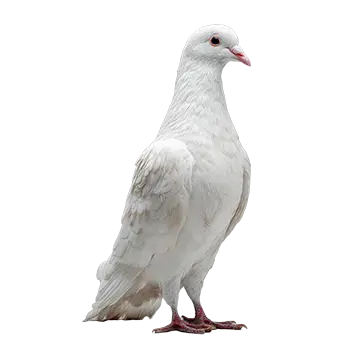

In the United States, the King Pigeon's legal status is shaped primarily by its classification as a domestic animal rather than a wild species. The Migratory Bird Treaty Act, which provides broad federal protection to native wild birds, does not cover domestic pigeons (Columba livia domestica) or their feral descendants. This exemption means that King Pigeons do not receive the federal protections afforded to species such as hawks, songbirds, or native doves. Ownership, breeding, and sale of domestic pigeons are generally permissible under federal law without the permits required for protected species.
State-level regulation of pigeon keeping varies considerably. Most states classify domestic pigeons as poultry or livestock, a categorization that reflects the breed's agricultural origins and has practical consequences for how pigeon keeping is regulated at the local level. In states where pigeons are classified as poultry, their keeping may be governed by the same statutes that apply to chickens, ducks, and other domestic fowl. This classification can be either advantageous or restrictive depending on the specific provisions of local poultry ordinances.
Some states have enacted specific statutes addressing pigeon keeping, particularly in the context of racing pigeon lofts and large-scale breeding operations. These laws may address issues such as loft construction standards, flock size limits, disease reporting requirements, and the responsibilities of pigeon keepers to prevent nuisance conditions. While these statutes were typically written with racing or utility pigeons in mind rather than companion King Pigeons kept indoors, their provisions may still apply technically to King Pigeon owners depending on how broadly the relevant language is interpreted.
Prospective King Pigeon owners should be aware that regulatory landscapes are not static. Municipal and state ordinances governing animal keeping are subject to revision, and enforcement practices can change as community attitudes evolve. Consulting current local regulations before acquiring a pigeon, and maintaining awareness of proposed changes, is an essential aspect of responsible ownership that protects both the keeper and the birds.