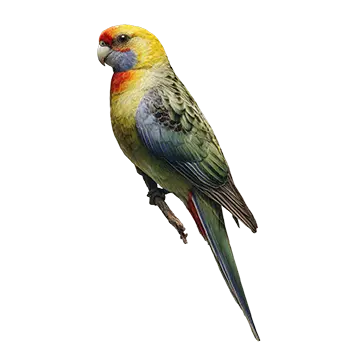

Pre-Travel Preparation

Transporting a Green Rosella requires careful preparation that begins well before the day of travel. The first step is a veterinary health check, ideally conducted within the week prior to the journey. An avian veterinarian can assess the bird's overall condition, identify any health issues that might make travel inadvisable, and provide any necessary documentation, including health certificates that may be required by airlines, interstate transport regulations, or destination jurisdictions. For Green Rosellas, which can be sensitive to stress, a pre-travel examination also offers an opportunity to discuss calming strategies and any medications that might be appropriate for particularly anxious individuals.

Acclimating the bird to its travel carrier is an important preparatory step that is often underestimated. Ideally, the carrier should be introduced to the bird several weeks before the trip, placed in or near the regular cage so the rosella can explore it voluntarily. Placing familiar food items and a small perch inside the carrier encourages the bird to enter on its own terms, reducing the fear response that an unfamiliar confined space can trigger. Green Rosellas, like other rosella species, can be wary of novel objects, so gradual desensitization is far more effective than a last-minute introduction.

Assembling a travel kit is the next essential task. This kit should include sufficient food for the duration of the journey plus a generous buffer, a water dispenser suitable for attachment to the carrier, a lightweight cover or drape to reduce visual stimulation during transit, and a small first-aid supply including styptic powder and a towel for gentle restraint if needed. It is also wise to carry copies of all relevant permits, health certificates, and identification documents for the bird, as these may be requested during transit or at destination checkpoints.

Finally, keepers should research the specific requirements of their intended mode of travel and destination well in advance. Airline policies, interstate biosecurity regulations, and local permit requirements can differ significantly and may change with little notice. Confirming all logistical details before departure minimizes the risk of delays, denied boarding, or regulatory complications that could compromise the bird's welfare and the keeper's travel plans.

Carrier Selection & Setup

Choosing the right travel carrier is critical to the safety and comfort of a Green Rosella during transport. The carrier should be sized to allow the bird to stand upright, turn around, and extend its wings slightly without striking the walls, while being small enough to prevent excessive movement that could lead to injury during vehicle braking or turbulence. For a Green Rosella, which measures approximately 36 to 37 centimeters in length, a carrier with internal dimensions of roughly 40 by 30 by 35 centimeters is typically appropriate for short to medium journeys.

Carriers designed specifically for bird transport are preferable to improvised containers. Purpose-built bird carriers feature perches positioned at an appropriate height, ventilation panels that allow airflow without creating drafts, and secure latch mechanisms that prevent accidental opening. Hard-sided carriers made from durable plastic or lightweight metal are generally safer for car and air travel than soft-sided alternatives, which offer less protection in the event of impact and may be punctured by the bird's beak.

The interior of the carrier should be set up to minimize stress and maximize safety. A single sturdy perch mounted at a low to medium height gives the bird a secure resting point while reducing the risk of falls. The floor should be lined with absorbent material such as paper towels or a dedicated cage liner, which can be changed easily if soiled during the journey. Food can be offered in a small dish attached to the carrier wall, and a sipper-style water bottle is preferable to an open dish, which is likely to spill during movement.

Covering the carrier with a breathable cloth or purpose-designed cover can significantly reduce a Green Rosella's stress during transit by limiting visual exposure to unfamiliar and potentially alarming stimuli. The cover should be light enough to allow adequate ventilation and should be secured so that it does not slip or flap. Some keepers leave one side of the carrier partially uncovered to allow the bird to observe its surroundings at its own discretion, which can help reduce anxiety in birds that are unsettled by complete darkness.

Vehicle Transport

Traveling with a Green Rosella by car is the most common form of transport for routine trips such as veterinary visits, relocations, and short-distance moves. The carrier should be placed on a flat, stable surface within the vehicle, ideally on the rear seat or the floor behind the front seats where it is least affected by sudden stops or turns. The carrier must be secured with a seatbelt or straps to prevent it from sliding or toppling during the journey. Placing the carrier on the front seat is not recommended, as airbag deployment in the event of a collision could be lethal to the bird.

Temperature control inside the vehicle is a matter of particular importance when transporting a Green Rosella. As a species native to Tasmania's temperate climate, the Green Rosella is not well adapted to extreme heat and can quickly succumb to heat stress in a warm vehicle. Air conditioning should be used to maintain a comfortable ambient temperature, and the car should never be left parked with the bird inside, even for brief periods, as interior temperatures can rise to dangerous levels within minutes. In cooler conditions, the heater should be set to a moderate level and directed away from the carrier to avoid overheating.

Minimizing noise and vibration during the journey helps reduce the stress experienced by the bird. Playing loud music, honking the horn unnecessarily, or driving over rough terrain should be avoided. Speaking to the bird in a calm, familiar voice can have a soothing effect, particularly for hand-raised or well-socialized Green Rosellas that associate their keeper's voice with safety. Some keepers find that playing quiet background sounds during the days leading up to travel can help accustom the bird to the ambient noise of a moving vehicle.

For longer car journeys, planned rest stops allow the keeper to check on the bird, offer fresh water, and assess its condition. The carrier should not be opened in the vehicle or in any environment where the bird could escape, as a startled rosella released in an unfamiliar location is extremely difficult to recapture and faces immediate survival risks. Rest stops should be taken in a quiet, sheltered area where the carrier can be briefly uncovered and the bird visually inspected without opening the enclosure.

Air Travel Considerations

Air travel with a Green Rosella is possible but involves significantly more planning and regulatory compliance than vehicle transport. Not all airlines accept live birds, and those that do typically have specific policies regarding carrier dimensions, species restrictions, and the conditions under which birds may travel in the cabin versus cargo hold. Keepers should contact the airline well in advance of the intended travel date to confirm that the Green Rosella will be accepted and to obtain detailed instructions on carrier specifications, booking procedures, and documentation requirements.

Most airlines that accept birds require them to travel in the pressurized and temperature-controlled cargo hold rather than in the passenger cabin. While modern aircraft cargo holds are designed to maintain conditions suitable for live animal transport, the experience remains stressful for birds, and keepers should take every available measure to minimize that stress. This includes selecting direct flights to reduce transit time, avoiding travel during extreme weather periods when tarmac temperatures may be dangerously high or low, and ensuring that the carrier is clearly labeled with live animal stickers, orientation arrows, and the keeper's contact information.

The documentation required for air transport of a Green Rosella can be extensive, particularly for interstate or international flights. Health certificates issued by a licensed avian veterinarian are typically mandatory and must be dated within a specified window before travel. For flights crossing state or national borders, additional permits and quarantine clearances may be required, and failure to present the correct paperwork can result in the bird being refused boarding or confiscated at the destination. Keepers should compile all documents well ahead of time and carry multiple copies.

International air travel with a Green Rosella is subject to the full weight of CITES regulations, import and export permit requirements, and destination-country quarantine protocols. Given Australia's strict controls on the export of native wildlife, transporting a Green Rosella out of the country is legally possible only under very limited circumstances, such as approved zoo transfers or scientific research programs. For keepers traveling within Australia, domestic flights are a more practical option, though they still require careful attention to airline policies and state-level biosecurity regulations.

Interstate & Cross-Border Requirements

Moving a Green Rosella between Australian states or territories involves navigating a patchwork of biosecurity and wildlife regulations that vary between jurisdictions. Each state and territory maintains its own rules regarding the importation of live birds, and these rules may include requirements for health testing, quarantine periods, and permits that must be obtained before the bird crosses the border. For the Green Rosella, which is native to Tasmania, moving the bird to the mainland triggers additional considerations related to its status as a Tasmanian endemic species.

Tasmania's biosecurity requirements are among the most stringent in Australia, reflecting the state's commitment to protecting its island ecosystems from introduced pests and diseases. Birds being transported to or from Tasmania must typically be accompanied by a health declaration or certificate confirming that they are free from notifiable avian diseases, including Psittacine Beak and Feather Disease and avian influenza. The Tasmanian Department of Natural Resources and Environment can provide current guidance on the specific requirements that apply at the time of travel.

On the mainland, individual states have their own wildlife keeping regulations that may affect the legality of bringing a Green Rosella into the jurisdiction. Some states maintain lists of approved species that may be kept under permit, and the Green Rosella's status on these lists can vary. Prospective travelers should confirm with the relevant state wildlife authority that a Green Rosella will be accepted and, if so, what permits or notifications are required before entry. Failing to comply with these requirements can result in fines, confiscation of the bird, and potential prosecution.

For international movement, the regulatory burden is considerably greater. Exporting a Green Rosella from Australia requires permits under both the EPBC Act and CITES, and the circumstances under which such permits are granted are extremely limited. Importing a Green Rosella into another country requires compliance with that country's quarantine, veterinary, and wildlife regulations, which may include extended quarantine periods in government-approved facilities. Given these complexities, international relocation of a Green Rosella is generally feasible only for institutional transfers and requires months of advance planning and coordination between regulatory authorities.

Managing Travel Stress & Post-Arrival Care

Green Rosellas, like most rosella species, are sensitive to environmental disruption, and travel can be a significant source of physiological and behavioral stress. Recognizing and minimizing this stress is one of the keeper's most important responsibilities during any journey. Common signs of stress in a traveling rosella include rapid breathing, fluffed feathers, excessive vocalization or complete silence, refusal to eat or drink, and repetitive movements such as pacing or wing flicking. If these signs become pronounced, the keeper should assess whether the journey can be safely interrupted to allow the bird a period of calm recovery.

Maintaining familiar routines and stimuli as much as possible during travel helps buffer the Green Rosella against stress. Offering the bird's regular food, using familiar water dispensers, and keeping a small item from the home cage in the carrier can provide sensory anchors that reduce the disorientation of being in an unfamiliar environment. The keeper's voice, scent, and presence are also powerful calming influences for well-bonded birds, and speaking quietly to the rosella during transit can be more effective than any pharmacological intervention.

Upon arrival at the destination, the Green Rosella should be allowed to settle in a quiet, temperature-controlled space before being transferred to its permanent or temporary enclosure. The carrier should be placed in a calm area away from other animals, loud noises, and heavy foot traffic, and the bird should be given time to acclimate at its own pace. Offering fresh food and water immediately upon arrival encourages normal behavior and helps the bird begin to reestablish its routine.

In the days following travel, the keeper should monitor the Green Rosella closely for signs of delayed stress or illness. Post-travel behavioral changes such as reduced appetite, increased aggression, or feather plucking can indicate that the bird is struggling to adjust, and persistent symptoms warrant a veterinary consultation. Allowing the rosella several days of minimal disturbance to settle into its new surroundings, with gradual reintroduction of normal social interaction and out-of-cage time, gives the bird the best chance of a smooth and healthy recovery from the travel experience.

Always consult a qualified professional before making any health-related decisions. This content is provided for informational reference only and should not replace professional guidance specific to your animal.