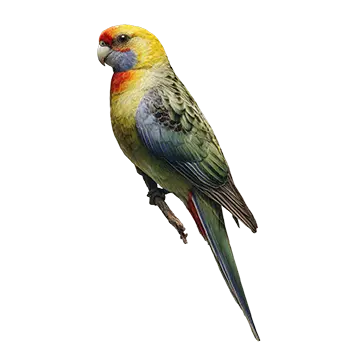

The Green Rosella, like all native Australian bird species, is protected under the Environment Protection and Biodiversity Conservation Act 1999 (EPBC Act), the principal piece of federal legislation governing the conservation of Australian wildlife and ecosystems. The EPBC Act establishes the legal framework under which native species are classified, managed, and protected from threats including habitat destruction, overexploitation, and illegal trade. Under this act, the taking, keeping, trading, or killing of native wildlife without appropriate authorization is a criminal offense carrying significant penalties.
The EPBC Act operates in conjunction with international agreements to which Australia is a signatory, including the Convention on Biological Diversity and the Convention on International Trade in Endangered Species of Wild Fauna and Flora (CITES). While the Green Rosella is not individually listed under the more restrictive CITES appendices due to its relatively stable wild population, it is covered by the broad protections that apply to all Australian parrots under CITES Appendix II. This listing means that any international trade in Green Rosellas or their derivatives requires export permits issued by Australian authorities.
Federal biosecurity legislation also affects the Green Rosella, particularly in the context of preventing the introduction of avian diseases that could threaten wild populations. The Biosecurity Act 2015 establishes protocols for the importation of live birds and avian products into Australia, and these regulations indirectly benefit native parrot species by reducing the risk of exotic disease outbreaks. The interaction between wildlife protection and biosecurity law reflects the layered nature of the regulatory environment that governs Australia's native fauna.
Enforcement of federal wildlife protection laws is primarily the responsibility of the Department of Climate Change, Energy, the Environment and Water, working in coordination with state and territory agencies. Penalties for violations of the EPBC Act can include substantial fines and imprisonment, reflecting the seriousness with which Australian law treats offenses against native wildlife. The Green Rosella, though not among the most trafficked or threatened species, benefits from this broad protective framework.