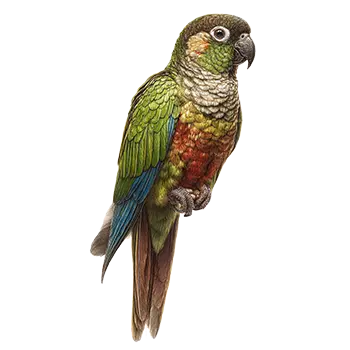

The international trade in Green-Cheeked Conures is governed primarily by the Convention on International Trade in Endangered Species of Wild Fauna and Flora, commonly known as CITES. Pyrrhura molinae is listed under CITES Appendix II, a designation that applies to species not currently threatened with extinction but whose trade must be controlled to prevent population declines that could push them toward that status. Under Appendix II, international commercial trade in Green-Cheeked Conures requires export permits issued by the wildlife management authority of the country of origin, which must certify that the trade will not be detrimental to the survival of the species in the wild.
For the vast majority of Green-Cheeked Conures in the contemporary pet trade, the CITES framework is primarily relevant to the historical context of how the species entered the global market and to the occasional cross-border transactions that still occur between breeders and buyers in different countries. The overwhelming majority of Green-Cheeked Conures sold today in North America, Europe, and Australasia are captive-bred birds that have never been subject to wild capture. Nevertheless, the CITES listing ensures that any international movement of the species, whether for sale, breeding loan, or personal relocation, must be accompanied by appropriate documentation certifying the bird's captive-bred status and legal provenance.
The enforcement of CITES regulations varies by country, with some nations maintaining rigorous customs inspection and permit verification processes and others relying on less systematic oversight. In practice, the risk of encountering illegally wild-caught Green-Cheeked Conures in established pet markets in developed countries is low, though it is not zero. The species' comparatively modest market value compared to rarer parrots reduces the economic incentive for illegal capture, but the broader infrastructure of wildlife trafficking means that no parrot species is entirely immune from exploitation.
Prospective owners who acquire Green-Cheeked Conures through reputable domestic breeders or retailers will rarely need to engage directly with CITES requirements. However, those who purchase birds internationally, relocate across national borders with their pets, or participate in international breeding programs must be aware of the documentation requirements and lead times involved. Failure to obtain proper permits can result in confiscation of birds, financial penalties, and in severe cases, criminal prosecution under the wildlife trade laws of the relevant jurisdictions.