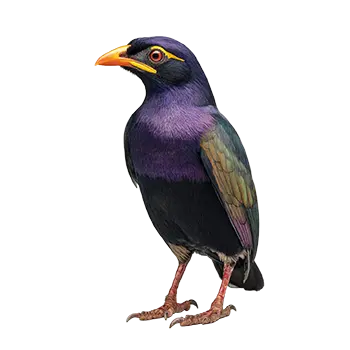

Preparing Your Bird for Travel

Preparation is the most important phase of any journey with a Greater Hill Mynah, and the process should begin well before the day of travel. Hill mynahs are intelligent, observant birds that are sensitive to changes in routine and environment, and an unfamiliar carrier or sudden disruption to their daily pattern can trigger significant stress. The most effective approach is to introduce the travel carrier into the bird's living space several weeks before the planned trip, allowing the mynah to investigate, perch on, and enter the carrier voluntarily. Placing familiar food items and treats inside the carrier during this acclimation period helps the bird form positive associations with the enclosure.

A pre-travel veterinary examination is strongly recommended for any journey, and is required by regulation for most interstate and international travel. The examining veterinarian should assess the bird's general health, check for signs of respiratory infection or parasitic disease, and confirm that the bird is fit to travel. For Greater Hill Mynahs specifically, the veterinarian should be aware of the species' susceptibility to iron storage disease and may wish to evaluate hepatic function if the bird has not been recently tested. The health certificate issued by the veterinarian will typically be valid for a limited period, often 10 to 30 days, so the examination should be timed appropriately relative to the travel date.

Dietary management in the days leading up to travel can help reduce the mess and discomfort associated with transport. Many experienced mynah keepers reduce the proportion of wet, juicy fruits in the bird's diet for 24 to 48 hours before travel, substituting drier softbill pellets and less watery foods. This adjustment can minimize the volume and liquidity of droppings during transit, which in turn helps keep the carrier cleaner and the bird more comfortable. Hydration should not be restricted, however, as dehydration is a genuine risk during transport, particularly in warm conditions.

On the day of travel, the bird should be placed in the carrier in a calm, unhurried manner. Dimming the lights in the room and speaking to the bird in a quiet, reassuring tone can help reduce anxiety during the transition. If the bird is not accustomed to being handled, a lightweight towel can be used to gently guide it into the carrier, taking care to avoid gripping the bird tightly or restraining its wings in a way that could cause injury or panic. Once inside the carrier, the bird should be given a few minutes to settle before the carrier is moved.

Carrier Selection & Setup

Choosing the right carrier is essential for the safety and comfort of a Greater Hill Mynah during transport. The ideal carrier for a hill mynah is a hard-sided, well-ventilated enclosure that is large enough for the bird to stand upright, turn around, and extend its wings partially, but not so large that the bird is thrown about during movement. For a species that measures approximately 27 to 30 centimeters in length, a carrier with interior dimensions of roughly 40 centimeters long, 30 centimeters wide, and 35 centimeters tall will generally provide adequate space without excess room.

Ventilation is a critical consideration, as Greater Hill Mynahs are tropical birds with relatively high metabolic rates that can overheat quickly in poorly ventilated enclosures. The carrier should have ventilation openings on at least two sides, ideally on three or four, to ensure adequate airflow even when the carrier is placed against a wall or in a confined space such as an automobile footwell or airline cargo hold. Wire-front carriers with solid sides and top are a common choice, as they provide good visibility for the bird while protecting against drafts and direct contact with other animals or objects.

The interior of the carrier should be lined with an absorbent, non-toxic substrate. Paper towels, unprinted newsprint, or purpose-made cage liners work well and can be changed if the journey includes stops. A single low perch, securely fastened to prevent shifting during movement, should be installed at a height that allows the bird to perch comfortably without its tail pressing against the floor or its head contacting the ceiling. Some keepers attach a small food cup and a spill-resistant water dispenser to the carrier wall, though water containers should be removed or sealed during periods of active transport to prevent spillage.

For air travel, the carrier must meet the specific requirements of the airline and any applicable regulatory bodies. The International Air Transport Association (IATA) publishes Live Animals Regulations that specify container construction standards, ventilation requirements, labeling protocols, and handling procedures for avian transport. Airlines may have their own supplementary requirements, and these can change frequently, so it is essential to confirm the current policy with the airline well in advance of the travel date. Carriers that comply with IATA standards are widely available from specialty pet supply retailers and are worth the investment for any keeper who anticipates flying with their bird.

Traveling by Car

Automobile travel is the most common form of transport for Greater Hill Mynahs making routine trips to the veterinarian, moving to a new home, or accompanying their keeper on domestic relocations. The enclosed environment of a vehicle offers the advantage of controlled temperature and protection from the elements, but it also presents hazards that keepers must manage carefully. The carrier should be secured on the back seat or in the cargo area of a vehicle using a seatbelt or cargo straps to prevent it from sliding or tipping during sudden stops or turns. Placing the carrier on the floor behind the front passenger seat is another option that provides stability and protection.

Temperature management inside the vehicle is critically important, particularly during warm weather. Greater Hill Mynahs, despite their tropical origins, can overheat rapidly in a parked or poorly ventilated car, and heatstroke in birds can progress from mild distress to death in a matter of minutes. The vehicle's air conditioning should be running before the bird is placed inside, and the temperature should be maintained at a comfortable level throughout the journey. The bird should never be left unattended in a parked vehicle, even for brief periods, as interior temperatures can rise to lethal levels within minutes on a warm day.

Noise and vibration are additional stressors that should be minimized during car travel. Hill mynahs are sensitive to sudden loud sounds, and the rumble of highway driving, honking horns, or loud music can cause significant distress. Keeping the radio off or at a very low volume, driving smoothly, and avoiding routes with heavy stop-and-go traffic will help keep the bird calm. Some keepers partially cover the carrier with a lightweight cloth to reduce visual stimulation and create a sense of enclosure, though the cloth should never obstruct ventilation openings.

For longer drives, periodic stops to check on the bird, offer water, and replace soiled substrate are advisable. The bird should not be removed from its carrier during stops unless in a secure, enclosed space where escape is impossible. Hill mynahs are agile and fast, and a panicked bird that escapes from its carrier in an unfamiliar parking lot or rest area is extremely difficult to recapture and faces immediate dangers from traffic, predators, and exposure. Keeping the carrier door securely latched at all times during transport is a basic but essential precaution.

Air Travel & Airline Policies

Flying with a Greater Hill Mynah requires significantly more planning and documentation than ground transport, and the logistics can be complex enough to warrant beginning the process months in advance. Most commercial airlines that accept live animals do so only in the cargo hold, not in the passenger cabin, though policies vary by carrier and route. A small number of airlines permit small birds in the cabin in an approved carrier that fits under the seat, but the Greater Hill Mynah's size and vocal tendencies make cabin travel uncommon and impractical in most cases. Contacting the airline directly to confirm its current avian transport policy is an essential first step.

Cargo transport of live birds is governed by the IATA Live Animals Regulations, which specify requirements for container construction, ventilation, food and water provision, labeling, and handling. The container must be clearly labeled with "Live Animal" stickers, orientation arrows indicating which side is up, and the shipper's and consignee's contact information. Airlines typically require a veterinary health certificate issued within a specified number of days prior to departure, and some require additional documentation such as proof of species identification or CITES permits for internationally regulated species like the Greater Hill Mynah.

Seasonal restrictions are an important consideration when planning air travel with a hill mynah. Many airlines impose temperature embargoes during extreme weather months, refusing to transport live animals when ground temperatures at the origin, destination, or connecting airports exceed or fall below specified thresholds. For a tropical species like the Greater Hill Mynah, cold-weather embargoes are the primary concern, as exposure to low temperatures during tarmac handling, loading, and unloading can be dangerous or fatal. Booking direct flights whenever possible minimizes the time the bird spends in cargo handling areas and reduces the risk of exposure to temperature extremes or rough handling during connections.

The stress of air travel on a Greater Hill Mynah should not be underestimated. The combination of unfamiliar sounds, pressure changes, vibration, separation from the keeper, and prolonged confinement in a carrier represents a significant physiological and psychological challenge for a sensitive, intelligent bird. Keepers who must fly with their mynah should take every available measure to reduce stress, including acclimating the bird to its travel carrier well in advance, providing familiar items such as a favorite toy or a piece of cloth that carries the keeper's scent, and ensuring that the bird is well hydrated and in optimal health before the journey. Upon arrival, the bird should be transferred to its permanent enclosure as quickly as possible and given time to recover in a quiet, familiar environment.

International Travel & Border Crossings

Crossing international borders with a Greater Hill Mynah introduces a layer of regulatory complexity that requires careful advance preparation. At a minimum, international travel with a hill mynah requires a valid CITES permit, a veterinary health certificate issued by an accredited veterinarian and endorsed by the national veterinary authority of the exporting country, and compliance with the import requirements of the destination country. These requirements can take weeks or months to fulfill, and failure to have all documentation in order at the time of travel can result in the bird being refused entry, quarantined at the owner's expense, or confiscated by border authorities.

CITES documentation is the foundational requirement for international movement of Greater Hill Mynahs. As an Appendix II species, the bird requires a CITES export permit from the country of departure, which must be obtained from the national CITES Management Authority before travel. Some destination countries also require a CITES import permit, which must be applied for separately and may involve its own processing timeline. The permits are species-specific and often specimen-specific, meaning that each individual bird must be identified on the documentation, typically by closed leg band number or microchip identifier.

Quarantine requirements vary significantly among destination countries and can have a major impact on travel planning. Some countries require incoming birds to undergo a quarantine period at a government-approved facility, during which the bird is tested for avian diseases including avian influenza, psittacosis, and Newcastle disease. Quarantine periods can range from a few days to several weeks, and the costs of housing, feeding, and veterinary testing during quarantine are borne by the owner. Countries with particularly strict biosecurity regimes, such as Australia and New Zealand, may impose quarantine conditions that effectively make travel with a pet bird impractical.

Keepers planning international moves with a Greater Hill Mynah should begin the documentation and permitting process as early as possible, ideally six months or more before the intended travel date. Consulting with a licensed customs broker or pet transport service that specializes in international animal relocation can be invaluable, as these professionals are familiar with the specific requirements of different countries and can help navigate the bureaucratic complexities of CITES permitting, veterinary certification, quarantine arrangements, and airline bookings. The investment in professional assistance often pays for itself in avoided delays, complications, and the peace of mind that comes from knowing that every regulatory requirement has been addressed.

Post-Travel Care & Recovery

The period immediately following travel is a critical time for a Greater Hill Mynah, and the care provided during this phase can significantly influence the bird's recovery from the stress of transport. Upon arriving at the destination, the bird should be transferred to its permanent enclosure as quickly and calmly as possible. The enclosure should be set up in advance in a quiet location away from high-traffic areas, direct sunlight, and sources of sudden noise. Familiar items from the bird's previous environment, including perches, toys, and food dishes, should be placed in the new enclosure to provide continuity and reduce the sense of disorientation.

Hydration is the first priority after travel. Greater Hill Mynahs have relatively high metabolic rates and can become dehydrated during transport, particularly if the journey involved warm conditions or extended periods without access to water. Fresh, clean water should be available immediately, and the keeper should observe the bird to confirm that it is drinking. If the bird appears reluctant to drink, offering water-rich fruits such as grapes, melon, or soaked softbill pellets can help restore fluid balance. Signs of dehydration in hill mynahs include sunken eyes, dry or tacky mucous membranes, and lethargy, and a bird displaying these symptoms should be evaluated by an avian veterinarian promptly.

Appetite may be reduced for the first 24 to 48 hours following travel, and this is generally not cause for alarm provided the bird is otherwise alert and responsive. Offering the bird's favorite foods during this period can encourage eating, and the diet should be returned to its normal composition and schedule as soon as the bird shows interest in feeding. A bird that refuses food for more than 48 hours, or that shows signs of illness such as fluffed feathers, labored breathing, nasal discharge, or changes in droppings, should be seen by a veterinarian with experience in avian medicine.

The psychological recovery from travel stress may take longer than the physical recovery, particularly for birds that have been relocated to an entirely new environment. Greater Hill Mynahs are creatures of habit that thrive on routine, and the disruption of a major move can manifest as increased vocalization, reduced sociability, feather-damaging behavior, or general restlessness. Maintaining a consistent daily routine, spending quiet time near the bird's enclosure, and gradually reintroducing interactive activities such as vocal training and out-of-cage time will help the bird readjust. Most well-socialized hill mynahs will return to their normal behavior within a week or two, though particularly sensitive individuals may take longer to fully settle into a new home.

Always consult a qualified professional before making any health-related decisions. This content is provided for informational reference only and should not replace professional guidance specific to your animal.