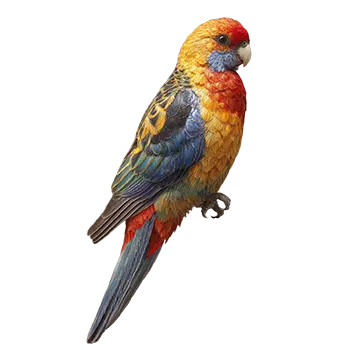

Preparing for Travel

Successful transport of a Golden-Mantled Rosella begins well before the day of travel with a thorough assessment of the bird's health, temperament, and readiness to handle the stress of movement. A pre-travel veterinary examination is strongly recommended, particularly for longer journeys or air transport, and many airlines and regulatory authorities require a recent health certificate as a condition of carriage. The examining veterinarian should assess the bird for signs of illness, injury, or stress-related conditions that could be exacerbated by travel, and should confirm that the bird is fit to withstand the anticipated duration and conditions of the journey.

Acclimating the bird to its travel carrier before the trip significantly reduces stress during transit. Introducing the carrier into the bird's environment days or weeks in advance, allowing the rosella to explore and feed inside it voluntarily, helps transform the carrier from a source of anxiety into a familiar space. Golden-Mantled Rosellas are active, alert birds that may react strongly to sudden confinement, so gradual desensitization is particularly important for individuals that have not previously traveled.

Practical preparations include securing an adequate supply of the bird's regular food, ensuring that fresh water can be provided during transit without excessive spillage, and packing any medications or supplements the bird requires. A small amount of familiar bedding material or a favorite perch section placed inside the carrier can provide additional comfort. Keepers should also prepare a basic first-aid kit containing items such as styptic powder, a small towel for restraint if needed, and the contact details of an avian veterinarian at the destination.

Timing the journey to minimize exposure to temperature extremes is an important consideration. Golden-Mantled Rosellas are reasonably cold-hardy by parrot standards, reflecting their adaptation to the temperate climates of southeastern Australia, but they are still vulnerable to the rapid temperature fluctuations that can occur in vehicles or on airport tarmacs. Traveling during the cooler parts of the day in summer and avoiding overnight transport in winter, where possible, helps maintain the bird within a comfortable thermal range throughout the journey.

Carrier Selection & Equipment

Choosing an appropriate travel carrier is one of the most consequential decisions in preparing to transport a Golden-Mantled Rosella. The carrier must be large enough to allow the bird to turn around and adjust its position comfortably, but not so spacious that the bird is thrown about during movement. For a medium-sized parrot like the Golden-Mantled Rosella, a carrier with internal dimensions of approximately 30 to 40 centimeters in length, 25 to 30 centimeters in width, and 30 to 35 centimeters in height generally provides an appropriate balance of space and security.

Carriers designed specifically for bird transport are preferred over repurposed small-animal carriers. Purpose-built bird carriers typically feature secure door mechanisms that prevent accidental opening, ventilation panels positioned to allow airflow without creating drafts, and perch attachments that give the bird a stable resting position during transit. The perch should be positioned low in the carrier so that the bird does not risk injury from falling during sudden stops or turbulence. Some keepers remove the perch entirely for short journeys and line the carrier floor with a non-slip surface, allowing the bird to rest on the base.

For air travel, the carrier must meet the specific requirements of the airline and, for international flights, the standards set by the International Air Transport Association's Live Animals Regulations. IATA-compliant containers are constructed of rigid, leak-proof materials with adequate ventilation on at least three sides, secure fastening mechanisms, and labeling that identifies the contents as live animals with directional arrows indicating the correct upright orientation. Carriers that do not meet these specifications will be rejected at check-in, potentially stranding the bird and its keeper.

Accessories that improve the travel experience include water dispensers designed to minimize spillage during movement, shallow food dishes that can be secured to the carrier wall, and partial covers or lightweight cloths that can be draped over the carrier to reduce visual stimulation without impeding airflow. A carrier cover is especially useful for Golden-Mantled Rosellas, which may become agitated by unfamiliar visual environments during transit. Reducing visual input helps many birds settle more quickly and remain calmer throughout the journey.

Road & Vehicle Transport

Road transport is the most common method of moving Golden-Mantled Rosellas over short to moderate distances, whether for veterinary visits, relocations, sales, or attendance at avicultural shows and exhibitions. The carrier should be placed on a stable, level surface within the vehicle, secured with a seatbelt or wedged between supportive items to prevent sliding during acceleration, braking, and turns. The rear seat or the floor space behind the front seats are generally the most stable positions; placing the carrier on a front passenger seat is discouraged due to the risk posed by airbag deployment.

Temperature management inside the vehicle is critical. Cars can heat rapidly in direct sunlight, and a vehicle parked even briefly in warm weather can reach temperatures dangerous to birds within minutes. Air conditioning should be set to a moderate, comfortable temperature rather than blasting cold air directly onto the carrier, as rapid temperature drops can be as stressful as heat. In cold weather, pre-warming the vehicle before placing the bird inside and avoiding exposure to freezing drafts when loading and unloading helps maintain thermal stability.

Noise and vibration are additional stressors during road transport. Playing loud music, honking, or making sudden loud noises should be avoided. The natural vibration of a moving vehicle is generally tolerable for most rosellas, but rough roads, heavy traffic with frequent stops and starts, and extended journeys without breaks can accumulate stress. For trips exceeding two to three hours, brief stops to check the bird's condition, offer water, and ensure that the carrier remains properly ventilated and positioned are advisable.

Keepers transporting birds to shows, veterinary appointments, or new homes should carry relevant documentation during the journey. Depending on the jurisdiction, this may include the keeper's license or permit, proof of the bird's provenance such as a band certificate or purchase receipt, and a health certificate if one has been obtained. Having this documentation readily accessible avoids complications in the event of a roadside inspection or inquiry and demonstrates the keeper's commitment to legal and responsible transport practices.

Air Travel & Airline Policies

Air transport of Golden-Mantled Rosellas is governed by a combination of airline policies, national aviation regulations, and international standards. Most commercial airlines that accept live animals do so only as checked baggage or cargo; very few permit birds in the passenger cabin. Policies vary significantly between carriers, and some airlines do not accept birds at all. Prospective travelers should contact the airline well in advance to confirm that the species is accepted, understand the specific carrier requirements, and reserve a space in the aircraft's climate-controlled cargo hold.

The International Air Transport Association publishes the Live Animals Regulations, a comprehensive set of standards for the safe air transport of animals. These regulations specify container construction, ventilation, labeling, and handling requirements for different classes of animals, including psittacines. Compliance with IATA standards is mandatory for most international shipments and is strongly recommended even for domestic flights, as airlines often use the IATA framework as the baseline for their own acceptance criteria.

Health documentation is typically required for air travel, with the specific requirements depending on the origin and destination. Domestic flights within a single country may require only a veterinary health certificate issued within a defined window, often 72 hours to 10 days before departure. International flights add layers of complexity, potentially requiring CITES export and import permits, quarantine pre-clearance, import permits from the destination country's agricultural or environmental authority, and veterinary endorsements from government-designated veterinarians. The lead time required to assemble this documentation can extend to weeks or months, making early planning essential.

On the day of travel, keepers should arrive at the airport with ample time to complete check-in procedures, present documentation, and ensure that the carrier passes inspection. The bird should be offered water shortly before being handed over to airline staff, and a small amount of fresh food should be placed in the carrier for the duration of the flight. Labeling the carrier with the keeper's contact information, the destination contact details, and clear instructions for care in the event of a delay or emergency provides an additional safety margin. After arrival, prompt retrieval of the bird and a calm, quiet transition to the destination environment help minimize the cumulative stress of the journey.

Health Certificates & Documentation

Health certification is a central component of legal and safe bird transport, required by most airlines, many interstate transport regulations, and virtually all international transit frameworks. A health certificate for a Golden-Mantled Rosella is issued by a licensed veterinarian following a physical examination that confirms the bird is free of visible signs of disease, injury, or parasitic infestation. The certificate typically records the species, band or microchip number, the date of examination, the veterinarian's findings, and a statement of fitness for travel.

For interstate transport within Australia, health certificate requirements are determined by the receiving state or territory's regulations. Some jurisdictions require testing for specific diseases, such as Psittacine Beak and Feather Disease or avian chlamydiosis, before a bird may be introduced. These testing requirements serve as biosecurity measures designed to prevent the spread of infectious agents between avicultural populations and, by extension, to wild bird communities. Keepers should consult the relevant state or territory authority well in advance to determine what tests, treatments, or certifications are mandated.

International transport introduces additional documentation requirements that vary by destination. Many countries require that health certificates be endorsed by a government-appointed veterinarian or national veterinary authority, adding an official imprimatur to the private veterinarian's clinical assessment. CITES permits, import licenses, and quarantine pre-clearance documents may also be required, and the absence of any single document can result in the bird being refused entry, held in quarantine at the owner's expense, or returned to the country of origin.

Organizing and maintaining transport documentation is a task that rewards meticulous attention to detail. Keepers should compile a travel folder containing originals and copies of all required documents, arranged in the order they are likely to be requested at checkpoints. Digital copies stored on a mobile device provide a backup in case of loss. Confirming the validity period of each document and ensuring that travel dates fall within the permitted window prevents last-minute complications that can derail carefully planned journeys.

Managing Stress & International Transit Considerations

Transport is inherently stressful for Golden-Mantled Rosellas, and managing that stress effectively is as important as meeting regulatory requirements. Signs of stress in a traveling rosella may include rapid or open-mouthed breathing, excessive vocalization, feather fluffing, refusal to eat or drink, and attempts to escape the carrier. Recognizing these signs promptly allows the keeper to intervene, whether by adjusting the carrier environment, offering water, reducing noise or visual stimulation, or, in the case of road transport, stopping to allow the bird a period of calm.

Minimizing the duration and intensity of each stressor is the most effective stress management strategy. Direct routes, avoidance of unnecessary layovers, and scheduling travel during periods of moderate temperature and low traffic all reduce the cumulative burden on the bird. For particularly long or complex journeys, breaking the trip into segments with overnight rest stops in quiet, temperature-controlled accommodation can prevent the kind of severe stress that leads to immune suppression, gastrointestinal disturbance, or behavioral deterioration.

International transit introduces stressors that go beyond the physical demands of the journey itself. Quarantine periods imposed by destination countries can range from days to weeks, during which the bird is housed in a government-approved facility and may have limited contact with its owner. The quarantine environment, while designed to meet basic welfare standards, is unfamiliar to the bird and may lack the enrichment and social interaction it is accustomed to at home. Preparing the bird for this transition by ensuring it is comfortable eating standard foods, drinking from unfamiliar water dispensers, and tolerating the presence of unfamiliar people can ease the quarantine experience.

Post-travel recovery deserves as much attention as pre-travel preparation. Upon arrival at the destination, the Golden-Mantled Rosella should be settled into a quiet, appropriately heated space with access to familiar food and clean water. Avoiding the temptation to immediately introduce the bird to new surroundings, new birds, or new handling routines allows it to decompress and recover from the physiological and psychological demands of travel. A follow-up veterinary examination within a few days of arrival confirms that the bird has come through the journey in good health and provides an opportunity to address any issues that may have emerged during transit.

Always consult a qualified professional before making any health-related decisions. This content is provided for informational reference only and should not replace professional guidance specific to your animal.