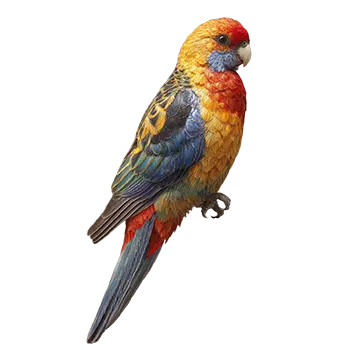

Overview of Legal Status

The Golden-Mantled Rosella, as a subspecies of the Eastern Rosella (Platycercus eximius), is subject to a layered framework of wildlife protection and trade regulation that spans local, national, and international jurisdictions. In its native Australia, all native birds are protected under both federal and state or territory legislation, meaning that the keeping, breeding, sale, and transport of Golden-Mantled Rosellas is regulated by permit systems that vary in detail from one state or territory to another. Internationally, the species falls under the Convention on International Trade in Endangered Species of Wild Fauna and Flora, which governs cross-border movement.

The legal status of the Golden-Mantled Rosella reflects a broader philosophy in Australian wildlife law that treats all native fauna as public resources held in trust, with private keeping permitted under conditions designed to ensure welfare, prevent illegal take from the wild, and maintain traceability. This approach distinguishes Australia from many other countries where parrot ownership is regulated primarily through trade controls rather than comprehensive permit systems. Prospective keepers must understand that legal requirements apply not only to the act of acquiring a bird but to ongoing housing, care, record-keeping, and eventual disposition.

Outside Australia, Golden-Mantled Rosellas are available through captive-bred populations that have been established in Europe, North America, and elsewhere for decades. The legal requirements for keeping rosellas in these regions are determined by national and subnational legislation that varies widely in scope and stringency. In some jurisdictions, no specific permit is required for captive-bred rosellas, while in others, keepers must register their birds, comply with welfare standards, or obtain licenses that may carry conditions related to housing, breeding, or sale.

Understanding the legal landscape is essential for anyone considering Golden-Mantled Rosella ownership, whether as a first-time keeper or an experienced aviculturist expanding a collection. Ignorance of applicable regulations is not accepted as a defense in enforcement proceedings, and violations can result in significant penalties including fines, confiscation of birds, and criminal charges. The sections that follow outline the major regulatory frameworks that apply to this subspecies across different jurisdictions.

Australian Federal & State Regulations

At the federal level, Australia's Environment Protection and Biodiversity Conservation Act 1999 (EPBC Act) provides the overarching legal framework for the protection of native wildlife, including all parrot species. The EPBC Act regulates the export of native animals and their derivatives, making it illegal to export wild-caught Australian parrots without specific authorization. While the Golden-Mantled Rosella is not individually listed as threatened under the EPBC Act, it benefits from the blanket protections that apply to all native bird species, and any proposal to export specimens requires assessment and approval by the relevant federal authority.

Day-to-day regulation of native bird keeping falls to state and territory governments, each of which maintains its own wildlife legislation and licensing framework. In New South Wales, where much of the Golden-Mantled Rosella's natural range lies, the Biodiversity Conservation Act 2016 and associated regulations govern the keeping of native animals. Keepers must hold a valid animal keeper license, which is issued in tiers that correspond to the species' classification. Eastern Rosellas, including the Golden-Mantled form, are typically classified in a basic or entry-level category, making them accessible to novice license holders.

Victoria, South Australia, Queensland, and other states and territories each administer their own permit systems with distinct fee structures, species lists, and conditions. Some jurisdictions require annual renewal of permits and submission of records detailing the birds held, bred, and transferred during the permit period. Others impose conditions on aviary dimensions, veterinary care, and the circumstances under which birds may be sold or given away. Keepers who move between states or territories must ensure that their permits and holdings comply with the regulations of both the origin and destination jurisdictions.

Enforcement of state and territory wildlife regulations is carried out by designated authorities, which may include departments of environment, parks and wildlife services, or dedicated compliance units. Inspections of aviaries and premises may be conducted with or without prior notice, and keepers found to be in breach of their permit conditions may face penalties ranging from formal warnings to prosecution. The regulatory landscape is not static, and keepers are responsible for staying current with legislative amendments, policy changes, and updates to species classification lists that may affect their obligations.

International Trade & CITES

The Convention on International Trade in Endangered Species of Wild Fauna and Flora, commonly known as CITES, is the primary international instrument governing the cross-border trade in wildlife, including parrots. The Eastern Rosella (Platycercus eximius), encompassing the Golden-Mantled subspecies, is listed under CITES Appendix II. This listing means that international trade in the species is permitted but regulated, requiring export permits issued by the CITES management authority of the exporting country. The permit process is designed to ensure that trade does not threaten wild populations and that specimens are legally acquired.

In practice, the vast majority of Golden-Mantled Rosellas entering international trade today are captive-bred birds originating from established avicultural populations outside Australia. Australia's domestic ban on the commercial export of native wildlife means that new wild-caught or even captive-bred specimens rarely leave the country through legal channels. International captive populations are therefore largely self-sustaining, descended from birds exported during earlier periods when regulations were less restrictive. CITES documentation for these birds traces their captive-bred origin and is required for any cross-border movement.

Importing a Golden-Mantled Rosella into a destination country requires compliance with that country's own CITES implementing legislation, which may impose additional conditions beyond the baseline CITES requirements. The European Union, for example, administers its own wildlife trade regulations through a system of import permits, and species may be subject to stricter conditions than those mandated by CITES alone. The United States implements CITES through the Endangered Species Act and the Lacey Act, with the U.S. Fish and Wildlife Service serving as the CITES management authority and processing import and export applications.

Keepers and breeders involved in international trade must maintain meticulous records and ensure that all documentation accompanies specimens during transit. Failure to produce valid CITES permits at border crossings can result in confiscation of the birds, fines, and criminal prosecution under both international agreements and domestic law. The complexity of the regulatory landscape makes it advisable for anyone contemplating international trade in Golden-Mantled Rosellas to consult with the relevant CITES authority and, where appropriate, seek legal guidance before proceeding.

Permit & Licensing Requirements

The specific permits and licenses required to keep Golden-Mantled Rosellas vary substantially by jurisdiction, but several common elements characterize most regulatory systems. In Australia, the standard pathway involves applying to the relevant state or territory wildlife authority for a keeper's license, providing details of the applicant's premises, aviary specifications, and intended species. License categories are typically tiered, with common and well-established species like the Eastern Rosella assigned to entry-level tiers that carry lower fees and fewer conditions than licenses for rarer or more sensitive species.

In European countries with well-developed avicultural traditions, the licensing landscape is diverse. Some nations, such as Germany and the Netherlands, require registration of parrot holdings and may impose conditions on housing, care standards, and breeding activity. Others regulate parrot keeping primarily through general animal welfare legislation rather than species-specific permits, meaning that keepers must comply with welfare standards but do not need a specific license for each species held. The European Union's overarching wildlife trade regulations add a further layer of compliance for keepers involved in buying, selling, or moving birds across member state borders.

In the United States, federal law does not generally require permits for keeping captive-bred rosellas, but state and local regulations can impose additional requirements. Some states classify rosellas as exotic or non-native species subject to permit or registration requirements, while others have no specific regulations beyond general animal cruelty statutes. Municipal ordinances may further restrict or prohibit the keeping of birds, particularly in urban or densely populated areas. The patchwork nature of U.S. regulation means that keepers must investigate requirements at the state, county, and city level before acquiring birds.

Regardless of jurisdiction, responsible ownership includes maintaining documentation that establishes the legal provenance of each bird. Purchase receipts, breeder records, closed leg bands, microchip numbers, and any applicable CITES or government-issued certificates should be retained and made available upon request. This documentation protects the keeper in the event of an inspection or inquiry and contributes to the broader traceability framework that underpins legal aviculture.

Captive Breeding Regulations

Captive breeding of Golden-Mantled Rosellas is subject to regulations that reflect both conservation objectives and animal welfare standards. In Australia, breeding native birds is generally permitted under the terms of the keeper's license, but specific conditions may apply. Some state and territory authorities require breeders to notify the licensing body of breeding activity, report hatching and fledging outcomes, and maintain records of the disposition of offspring. Closed leg bands issued by recognized avicultural organizations or government authorities are commonly required to identify captive-bred birds and distinguish them from wild-caught specimens.

The use of closed leg bands is a cornerstone of captive breeding regulation in many jurisdictions. These bands are applied to chicks within the first few weeks of life, before the foot grows too large to accept them, and serve as permanent, non-removable identification. Band numbers are recorded in breeder registers and can be traced to the aviary of origin, providing a chain of provenance that supports legal compliance and facilitates the resolution of disputes over ownership or origin. In some jurisdictions, the failure to band captive-bred birds or to maintain accurate band records constitutes a breach of licensing conditions.

Animal welfare legislation imposes standards on breeding practices that extend beyond the mere legality of producing offspring. Regulations or codes of practice may specify minimum aviary dimensions for breeding pairs, requirements for nest box provision, dietary standards during the breeding season, and limits on the number of clutches or rounds of breeding permitted per season. These provisions reflect growing recognition that the welfare of breeding birds and their offspring is a legitimate subject of regulatory concern, not merely a matter of individual keeper discretion.

The commercial sale of captive-bred Golden-Mantled Rosellas is regulated in most jurisdictions, with requirements that may include seller registration, provision of health certificates, disclosure of band or microchip numbers, and compliance with consumer protection laws. Online sales have introduced new challenges for regulators, as transactions conducted through social media or classified advertising platforms may be difficult to monitor and enforce. Keepers who sell birds, whether occasionally or as a regular business, should familiarize themselves with the specific requirements that apply in their jurisdiction to avoid inadvertent violations.

Enforcement, Compliance & Ethical Considerations

Enforcement of wildlife and animal welfare regulations affecting Golden-Mantled Rosellas is carried out by a range of authorities depending on the jurisdiction and the nature of the alleged violation. In Australia, state and territory wildlife compliance officers conduct inspections, investigate complaints, and pursue enforcement actions against keepers who breach permit conditions or engage in unauthorized activities such as taking birds from the wild. Federal authorities may become involved where offenses relate to interstate or international trade, or where threatened species are implicated alongside commonly kept species.

Penalties for wildlife offenses vary widely but can be substantial. In Australian jurisdictions, offenses involving the illegal taking, keeping, or trading of native birds can attract fines in the thousands or tens of thousands of dollars, and serious or repeat offenses may result in imprisonment. Confiscation of birds and cancellation of keeper's licenses are common administrative consequences. In other countries, penalties are determined by national legislation and may range from administrative fines to criminal prosecution, depending on the severity and circumstances of the offense.

Beyond formal legal compliance, ethical considerations shape the expectations placed on Golden-Mantled Rosella keepers by avicultural communities and the broader public. Responsible aviculture entails not only meeting minimum legal standards but exceeding them where possible, prioritizing the welfare of individual birds, contributing to the genetic health of captive populations, and supporting conservation efforts for wild populations. Avicultural societies and breed clubs often establish codes of ethics or best practice guidelines that set higher standards than those mandated by law, and membership in these organizations may carry obligations that reinforce a culture of responsible keeping.

The intersection of law, ethics, and practical husbandry is particularly relevant in areas such as rehoming and rescue. Birds that are surrendered, abandoned, or confiscated may pass through rescue organizations or government facilities before being placed with new keepers. The legal requirements for transferring custody of these birds, verifying their provenance, and ensuring that new keepers hold appropriate permits can be complex. Prospective adopters should work with established rescue organizations and licensing authorities to ensure that all transfers are conducted legally and with the welfare of the birds as the primary consideration.

Always consult a qualified professional before making any health-related decisions. This content is provided for informational reference only and should not replace professional guidance specific to your animal.