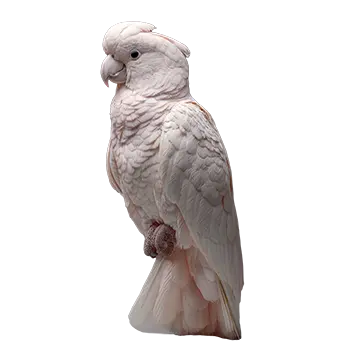

Successful travel with a Goffin's Cockatoo begins well before departure day. The single most important preparatory step is a veterinary examination conducted by an avian veterinarian familiar with cockatoo species. This visit should occur within the timeframe required by your destination's regulations, typically ten days to two weeks before travel for domestic trips within the United States, though international travel may impose different windows. The veterinarian will assess the bird's overall health, confirm that it is fit to travel, and issue a health certificate that many airlines and all international border crossings require.
Beyond the health certificate, owners should compile a travel documentation folder that includes proof of ownership, the bird's leg band or microchip number, any CITES documentation applicable to the species, and copies of relevant permits. For Goffin's Cockatoos, which are CITES Appendix I listed, documentation of legal provenance is particularly important and may be scrutinized at border crossings, airport security, or by wildlife officers. Having these documents organized and readily accessible can prevent delays and complications that would add stress to both the bird and the owner.
Carrier acclimation is another essential element of pre-travel preparation. Goffin's Cockatoos are intelligent and sensitive birds that respond poorly to sudden changes in environment, and being confined to an unfamiliar carrier in a noisy, vibrating vehicle or aircraft can trigger significant anxiety. Ideally, the travel carrier should be introduced to the bird several weeks before the trip, placed in the living area with the door open so the cockatoo can explore it voluntarily. Feeding treats inside the carrier, placing favorite toys near it, and gradually increasing the duration of time the bird spends inside with the door closed all help build positive associations.
Dietary planning for travel deserves attention as well. Goffin's Cockatoos should be offered familiar foods during transit to minimize digestive upset and encourage eating. Fresh fruits and vegetables with high water content, such as grapes, cucumber, and apple slices, can help maintain hydration during trips where access to a water dish may be impractical. Owners should also pack a supply of the bird's regular pellet diet, any supplements it receives, and familiar treats that can be used to provide comfort and positive reinforcement during stressful moments.