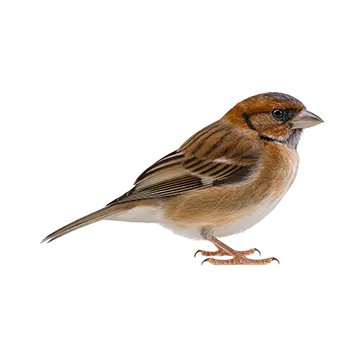

The Society Finch, known scientifically as Lonchura striata domestica, holds a unique distinction in the avian world: it is a bird that does not exist in the wild. Unlike nearly every other domesticated species, the Society Finch was created entirely through selective breeding, most likely derived from the wild White-rumped Munia (Lonchura striata) native to southern and southeastern Asia. The precise timeline of its domestication remains a subject of scholarly discussion, but most ornithological historians agree the process began in China or Japan several centuries ago.
The earliest documented references to what we now call Society Finches appear in Chinese avicultural texts dating to at least the Ming Dynasty period, though some researchers believe the practice may extend even further back. Chinese bird keepers were renowned for their meticulous breeding programs, and the creation of a docile, colony-friendly finch fit neatly into a broader cultural tradition of companion bird keeping that also produced distinctive varieties of canaries and other cage birds.
By the seventeenth and eighteenth centuries, the Society Finch had firmly established itself in Japanese aviculture under the name Juzume or, more commonly, Juushimatsu, meaning "ten-sister bird" — a poetic reference to the bird's tendency to huddle together in affectionate groups. Japanese breeders refined the bird further, selecting for color variety, calm disposition, and an extraordinary willingness to foster the eggs and chicks of other finch species. This fostering instinct would become the Society Finch's most celebrated trait and one of its most important contributions to aviculture worldwide.
European traders and naturalists first encountered the Society Finch through Japanese and Chinese trade networks in the eighteenth and nineteenth centuries. The birds were exported to Europe alongside porcelain, silk, and other goods, initially arriving as curiosities for the collections of wealthy hobbyists. Their gentle nature and ease of care quickly made them favorites in parlor aviaries across England, France, and the Netherlands, and they became one of the foundational species of the Western cage-bird hobby.