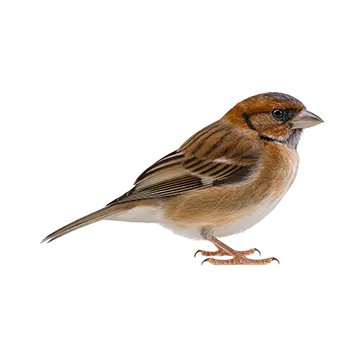

Film & Television

The Society Finch has never been the star of a major motion picture or television series in the way that parrots, eagles, or even canaries have commanded the screen. Its small size, muted coloring, and quiet demeanor make it a subtle presence rather than a scene-stealing one. However, Society Finches have appeared as background animals in numerous films and television productions that feature domestic interiors, pet shops, or aviary settings. Their calm behavior on set makes them reliable animal actors, unlikely to panic under studio lighting or flee during takes.

Nature documentaries and educational programs have given the Society Finch more prominent screen time. Programs exploring domestication, selective breeding, and the science of birdsong have featured the species as a key example of how humans have shaped animal behavior and appearance over centuries. The bird's complete absence from the wild makes it a compelling case study, and documentary filmmakers have used it to illustrate the profound effects of artificial selection.

Japanese television has occasionally spotlighted the Society Finch in segments about traditional hobbies and crafts. Programs dedicated to bird keeping as a cultural practice have shown breeders presenting their finest Juushimatsu at exhibitions, discussing the aesthetic criteria that distinguish a superior specimen, and demonstrating the bird's remarkable fostering behavior. These segments, while niche, reflect the enduring place of the Society Finch in Japanese domestic life.

In the realm of streaming content and online video, the Society Finch has found a growing audience through short-form clips showcasing flocking behavior, nesting rituals, and the hatching of chicks. These videos, often filmed by hobbyist breeders, accumulate substantial view counts and introduce the species to audiences who might never encounter one in a pet shop.

Literature & Art

The Society Finch has a long and distinguished presence in the literature of aviculture. Since the nineteenth century, it has featured prominently in cage-bird handbooks, breeding manuals, and hobbyist guides published in English, German, French, Japanese, and Dutch. Authors consistently praise the bird's gentle nature and ease of care, and many introductory texts use the Society Finch as the entry point for their discussions of finch keeping. These books, while specialized, have collectively shaped how generations of bird keepers understand and relate to the species.

In Japanese art, small finches — including what are believed to be early Society Finches — appear in paintings, woodblock prints, and decorative objects from the Edo period onward. Artists rendered groups of plump, round-bodied birds perched together on branches or huddled in bamboo cages, capturing the communal character that gives the species its name. These images circulated widely as part of the broader tradition of bird-and-flower painting (kachō-ga), one of the most enduring genres of East Asian visual art.

Western illustrators have contributed their own depictions of the Society Finch, particularly in the lavishly illustrated bird books of the nineteenth and early twentieth centuries. Scientific illustrators rendered the bird with meticulous attention to feather pattern and coloration, producing plates that remain reference standards for breeders and judges. More recently, contemporary artists working in watercolor, digital media, and textile design have drawn on the Society Finch's appealing form and warm color palette for decorative and commercial projects.

The Society Finch also appears occasionally in literary fiction and personal essays, typically as a symbol of quiet companionship or domestic contentment. Writers drawn to the metaphor of a bird that exists only in human care — never wild, always dependent on the keeper's hand — have used the Society Finch to explore themes of domesticity, interdependence, and the boundaries between nature and artifice.

Internet & Social Media

The rise of social media and online communities has given the Society Finch a visibility it never enjoyed in traditional media. Platforms such as Instagram, YouTube, TikTok, and Facebook host thriving communities of finch enthusiasts who share photos, videos, breeding tips, and mutation updates. Hashtags related to Society Finches regularly surface in avicultural feeds, and popular accounts dedicated to small pet birds frequently feature the species alongside Zebra Finches, canaries, and budgerigars.

YouTube in particular has become a significant platform for Society Finch content. Channels devoted to aviculture post detailed videos on topics ranging from cage setup and diet formulation to the intricacies of color mutation genetics. Time-lapse videos of Society Finch nests — showing eggs being laid, incubated, and hatched over a period of days — attract viewers far beyond the avicultural community, tapping into a broad public fascination with animal development and parental care.

Online forums and discussion boards, including dedicated sections on platforms like Avian Avenue and TalkBudgies, serve as knowledge repositories where experienced breeders answer questions from newcomers. These communities have democratized access to avicultural expertise that was once confined to local bird clubs and printed newsletters, allowing a first-time finch owner in rural Brazil to receive advice from a veteran breeder in the Netherlands within hours of posting a question.

The Society Finch has also benefited from the broader trend of aesthetic pet content on social media. Beautifully photographed aviaries, artfully arranged feeding stations, and carefully curated videos of flock behavior appeal to audiences interested in interior design, wellness, and mindful living. The bird's soft colors and peaceful demeanor align naturally with the visual sensibilities of these communities, giving it crossover appeal beyond traditional pet-keeping circles.

Advertising & Branding

The Society Finch has not been widely used as a brand mascot or advertising icon in the way that more visually striking or culturally prominent animals have. Its small size and understated appearance make it less immediately recognizable to a general audience than a parrot, eagle, or songbird. Nevertheless, the species has appeared in advertising contexts related to the pet industry, avicultural supplies, and occasionally in broader campaigns seeking to evoke themes of tranquility and natural beauty.

Pet food manufacturers and cage suppliers have used images of Society Finches in product packaging and promotional materials, particularly for items marketed toward finch and small-bird owners. The bird's photogenic quality — round body, warm tones, and endearing habit of huddling with companions — makes it an effective visual shorthand for the joys of bird keeping. Some seed mix brands feature Society Finches prominently on their labels, recognizing the species' widespread popularity among their target customers.

In Japan, where the Juushimatsu carries deeper cultural associations, the bird has appeared in a wider range of commercial contexts. Stationery, greeting cards, and small gift items featuring illustrated Society Finches are available in specialty shops, trading on the bird's associations with harmony and domestic warmth. These products circulate primarily within the Japanese domestic market but have gained some international following through online retailers.

The Society Finch's name itself has occasionally been borrowed for branding purposes unrelated to birds. The word "society" paired with the image of a small, elegant creature has been used by boutique businesses seeking to convey community, refinement, and approachability. These uses are incidental rather than systematic, but they reflect the quiet cultural resonance of a bird whose very name suggests togetherness.

The Popularity Effect

Media exposure, even of the modest kind the Society Finch receives, has tangible effects on the species' popularity and the broader avicultural hobby. Every documentary segment, viral video, or well-photographed social media post introducing the Society Finch to a new audience generates a wave of interest that breeders and pet shops can measure in increased inquiries and sales. The bird's low cost and forgiving care requirements mean that many of these curious newcomers follow through on their interest, making the Society Finch one of the most effective gateway species in aviculture.

This gateway effect has been both celebrated and scrutinized within the avicultural community. Experienced keepers welcome the influx of new hobbyists, recognizing that today's first-time Society Finch owner may become tomorrow's dedicated breeder of rare species. At the same time, animal welfare advocates caution that media-driven impulse purchases can lead to birds being kept in inadequate conditions by owners who underestimate even a hardy species' needs for social interaction, proper nutrition, and veterinary care.

The internet age has also amplified the Society Finch's role in the color mutation market. Social media posts showcasing unusual or newly stabilized color varieties generate excitement and demand that can drive breeding trends across entire regions. A striking photograph of a rare pearl or ino Society Finch can prompt breeders on multiple continents to begin working with similar genetics, accelerating the development and dissemination of new varieties far faster than was possible through traditional club networks.

Ultimately, the Society Finch's media presence, while never dominant, is remarkably steady. The bird does not experience the dramatic boom-and-bust cycles of popularity that affect some pet species after a blockbuster film or celebrity endorsement. Instead, it maintains a quiet, consistent visibility that mirrors its own temperament — unassuming, reliable, and enduringly appealing to those who take the time to notice it.

Always consult a qualified professional before making any health-related decisions. This content is provided for informational reference only and should not replace professional guidance specific to your animal.