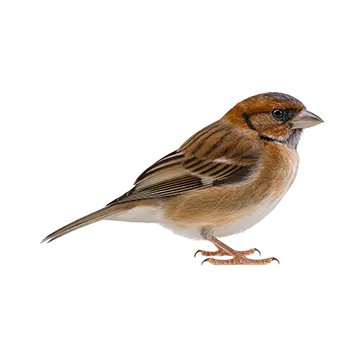

Species Classification & Permit Requirements

The Society Finch occupies a relatively favorable legal position compared to many other bird species. Because it is a fully domesticated bird with no wild population, it is not listed under the Convention on International Trade in Endangered Species (CITES) and is not subject to the protections afforded to wild-caught birds under most national wildlife laws. In the United States, the Society Finch is not covered by the Migratory Bird Treaty Act, which protects native wild species, nor is it listed under the Endangered Species Act. This means that in most American jurisdictions, no special federal permit is required to own, breed, or sell Society Finches.

However, the absence of federal restrictions does not mean that Society Finch ownership is entirely unregulated. State and local governments may impose their own requirements on the keeping of caged birds, including Society Finches. Some states require breeders who sell birds commercially to obtain a pet dealer or breeder license, and certain municipalities have ordinances governing the number of animals — including birds — that may be kept on residential property. Prospective owners should check with their state wildlife agency and local animal control office to confirm applicable rules.

In other countries, the regulatory landscape varies. Most European nations treat the Society Finch as a standard domestic pet requiring no special permits, though commercial breeders may need to register with agricultural or animal welfare authorities. Australia, which maintains strict biosecurity laws governing the import of all animal species, generally prohibits the importation of new Society Finch stock from abroad but permits domestic breeding and sale of birds already established within the country. Potential owners outside the United States should consult their national or regional wildlife authority for current regulations.

It is worth noting that while the Society Finch itself is largely unregulated, its close relative the White-rumped Munia is a wild species subject to wildlife protection laws in its native range across South and Southeast Asia. Keepers should be aware of this distinction, particularly if purchasing birds from sources that may also deal in wild-caught munias, to ensure they are acquiring legally bred domestic stock.

Ownership Requirements

General ownership of Society Finches is straightforward in most jurisdictions, with few legal barriers for individuals keeping the birds as personal pets. Unlike parrots and some other psittacine species, Society Finches are rarely subject to mandatory registration, microchipping, or individual identification requirements. The primary legal obligations for pet owners typically fall under general animal welfare statutes that require all animals to be provided with adequate food, water, shelter, and veterinary care.

For those who breed Society Finches beyond personal hobby levels, additional legal considerations may come into play. Many jurisdictions distinguish between casual hobbyist breeding and commercial breeding operations, with the latter subject to licensing, inspection, and record-keeping requirements. The threshold for what constitutes commercial activity varies: in some states, selling any number of birds triggers a requirement for a pet dealer license, while others set minimum thresholds based on volume or revenue. Breeders should research the specific definitions and requirements in their area.

Landlord-tenant law also intersects with bird ownership in meaningful ways. While Society Finches are among the quietest and least disruptive of pet birds, renters should be aware that lease agreements frequently contain pet clauses that may restrict or prohibit the keeping of any animals, including birds. Some landlords are willing to make exceptions for caged birds, particularly small, quiet species like Society Finches, but this should be negotiated and documented in writing before acquiring birds.

Homeowners' association (HOA) rules represent another layer of regulation that can affect Society Finch keepers. Some HOAs restrict outdoor aviaries, limit the number of pets per household, or prohibit certain types of animal keeping altogether. While indoor Society Finch keeping is unlikely to attract HOA attention, anyone planning a larger breeding setup or an outdoor flight enclosure should review their community's governing documents carefully.

Liability & Animal Welfare Standards

Liability concerns related to Society Finch ownership are minimal compared to those associated with larger or potentially dangerous animals. The birds pose no bite risk to humans, do not carry the zoonotic disease concerns associated with psittacine species (such as psittacosis, which is primarily linked to parrots), and are unlikely to cause property damage. Nevertheless, bird owners should be aware of general liability principles that apply to all pet ownership.

Animal welfare laws establish baseline standards of care that Society Finch owners are legally obligated to meet. In the United States, state anti-cruelty statutes prohibit neglect, abuse, and the denial of basic necessities to any domestic animal, including birds. These laws typically require that animals be provided with appropriate food, clean water, adequate shelter, and necessary veterinary care. While enforcement actions involving small cage birds are relatively rare, they do occur, particularly in cases of hoarding or severe neglect.

The Animal Welfare Act (AWA) at the federal level primarily regulates commercial breeders, dealers, and exhibitors rather than individual pet owners. However, breeders who sell Society Finches through wholesale channels or at volume may fall under AWA jurisdiction and be subject to USDA inspection and licensing requirements. The specific thresholds and exemptions are complex and have changed over time, so commercial breeders should consult the USDA Animal and Plant Health Inspection Service (APHIS) for current guidance.

International animal welfare standards vary considerably. The European Union's animal welfare directives establish general principles of humane treatment that member states implement through national legislation, and these apply to all kept animals including cage birds. Some European countries have enacted specific regulations regarding minimum cage sizes, social housing requirements, and environmental enrichment for captive birds, which would apply to Society Finch keepers. These regulations reflect a growing international consensus that even small, hardy species deserve living conditions that accommodate their behavioral needs.

Housing & Zoning Restrictions

Zoning laws can affect Society Finch keeping, particularly for individuals who maintain larger collections or breeding operations. Most residential zoning districts permit the keeping of a reasonable number of household pets, including cage birds, without special authorization. However, the definition of "reasonable number" varies by jurisdiction, and some municipalities set specific numerical limits on the number of birds that may be kept in a residential dwelling.

Outdoor aviaries and flight enclosures may be subject to additional zoning requirements, including setback rules, height restrictions, and noise ordinances. While Society Finches are among the quietest of cage birds, a large outdoor colony can produce a collective sound level that neighbors might find objectionable, particularly in densely built areas. Some municipalities require permits for the construction of accessory structures like aviaries, and building codes may dictate materials, dimensions, and placement.

For breeders operating at a scale that could be classified as a home-based business, zoning regulations governing commercial activity in residential areas become relevant. Many residential zones restrict or prohibit business operations, and a breeding operation that generates regular customer traffic, signage, or shipping activity could attract code enforcement attention. Some jurisdictions offer home occupation permits that allow limited commercial activity in residential zones, subject to conditions regarding traffic, hours of operation, and external impacts.

Renters face their own set of housing considerations, as discussed in the ownership section. It is worth emphasizing that even where local law permits bird keeping, a private lease agreement can impose stricter limitations. The legal hierarchy typically places lease terms above the tenant's preference, meaning that a landlord's no-pet policy will generally be enforceable even if the municipality places no restrictions on caged bird ownership.

Import & Export Regulations

International trade in Society Finches is governed by a patchwork of national and international regulations. Because the Society Finch is not a CITES-listed species, it does not require CITES permits for international trade. However, virtually all countries impose their own import and export requirements for live animals, and these must be satisfied regardless of CITES status. In the United States, the importation of live birds is regulated by the USDA and the U.S. Fish and Wildlife Service, and all imported birds are subject to quarantine requirements designed to prevent the introduction of avian diseases.

The Wild Bird Conservation Act (WBCA) of 1992, which effectively banned the importation of most wild-caught birds into the United States, does not directly apply to the domesticated Society Finch. However, the administrative infrastructure created by the WBCA means that all bird imports, including domestic species, must navigate a permitting process that can be complex and time-consuming. Importers must typically provide veterinary health certificates, comply with quarantine protocols, and demonstrate that the birds were legally acquired in the country of origin.

Australia maintains some of the world's strictest biosecurity laws and generally prohibits the importation of live birds, including Society Finches. Australian aviculturists work exclusively with domestically bred stock, and the country's geographic isolation has historically limited the introduction of new color mutations from overseas breeding programs. New Zealand, similarly, imposes stringent import controls on all animal species.

Within the European Union, the movement of pet birds between member states is facilitated by the EU Pet Passport system and harmonized veterinary standards, making it relatively straightforward to transport Society Finches across national borders within the bloc. However, imports from countries outside the EU are subject to more rigorous controls, including quarantine and testing for avian influenza and other notifiable diseases. Breeders and owners planning international travel or shipment with Society Finches should begin the permitting process well in advance, as processing times can be lengthy.

Rescue & Rehoming Regulations

The rescue and rehoming of Society Finches is a growing area of concern within the avicultural community. Because the birds breed prolifically in captivity, uncontrolled breeding can quickly result in surplus birds that overwhelm the capacity of individual keepers. Bird rescue organizations across the United States and other countries report receiving Society Finches with increasing frequency, often in groups resulting from unchecked colony breeding.

Legal requirements for bird rescue and rehoming operations vary by jurisdiction. In many states, organizations that take in and rehome animals must register as animal shelters or rescue groups, comply with record-keeping requirements, and submit to periodic inspections. These requirements are designed to ensure minimum standards of care and to prevent the accumulation of animals in neglectful conditions. Individual owners who rehome birds informally — through online classifieds, social media, or word of mouth — may not be subject to the same requirements, but should be aware of any applicable local regulations governing private animal sales or transfers.

Some jurisdictions have enacted laws specifically addressing the rehoming of animals through online platforms. These laws may require sellers or donors to provide accurate descriptions of the animal's health and history, prohibit the sale of animals under a certain age, or require that transactions take place in designated safe-exchange locations. While these laws were primarily motivated by concerns about dog and cat sales, they may apply to bird transactions as well.

Responsible rehoming practices, while not always legally mandated, are strongly encouraged by avicultural organizations and animal welfare groups. These include screening potential adopters for appropriate housing and experience, providing accurate information about the bird's age, health, and behavioral characteristics, and following up after placement to ensure the bird is receiving adequate care. Some rescue organizations require adopters to sign contracts specifying standards of care and granting the organization the right to reclaim the bird if those standards are not met.

Always consult a qualified professional before making any health-related decisions. This content is provided for informational reference only and should not replace professional guidance specific to your animal.