
Pre-Travel Preparation & Health Checks

Successful transport of Fantail Pigeons begins well before the birds leave the loft. Any bird destined for travel should be in good general health, with bright eyes, clean nares, smooth plumage, and an alert demeanor. A veterinary examination within the weeks preceding a planned trip is advisable, particularly if the bird will be entering a show environment where it will be in close proximity to birds from other lofts. Preventive treatments for common parasites, including external mites and internal worms, should be completed in advance of travel so that the bird has time to recover from any treatment-related stress before the journey.

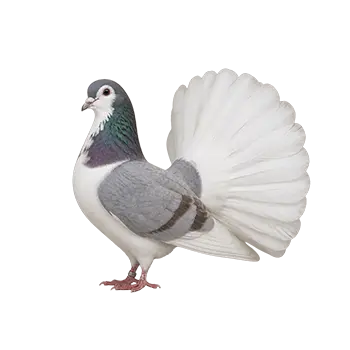
For Fantail Pigeons specifically, pre-travel preparation should include careful attention to the condition of the tail feathers. The breed's signature fan tail is its most visually prominent and competitively significant feature, and tail feathers that are broken, bent, soiled, or missing can dramatically affect both the bird's appearance at a show and its comfort during transport. Experienced Fantail fanciers inspect and groom the tail well in advance, addressing any feather damage early enough that natural regrowth can occur if needed. Light bathing a few days before travel, followed by thorough drying in a clean environment, helps ensure that the plumage is in optimal condition at the time of departure.

Hydration and nutrition in the days leading up to travel are also important considerations. Birds that are well hydrated and have been fed a balanced diet in the preceding week tend to handle the stress of transport more readily than birds that are nutritionally compromised. Some fanciers add electrolyte supplements to the drinking water for a day or two before a trip to support hydration reserves, though this practice should be discussed with a veterinarian familiar with avian physiology. Withholding food for the final few hours before transport can reduce the likelihood of soiling during the journey, but birds should never be deprived of water for extended periods.

Documentation is a final but critical element of pre-travel preparation. Depending on the destination and the purpose of the trip, keepers may need to assemble health certificates, band verification documents, show entry confirmations, and, for international transport, import or export permits. Gathering these materials well in advance reduces last-minute stress and ensures that the keeper can present the required paperwork promptly at any checkpoint encountered along the way.

Carrier Selection & Setup

The choice of transport carrier is one of the most consequential decisions a Fantail keeper makes when preparing for a trip. The Fantail's broad, upright tail demands a carrier that provides adequate vertical and horizontal clearance to prevent the tail from being pressed against walls, floors, or lids, which can result in bent or broken feathers and significant stress to the bird. Standard pigeon shipping boxes used for racing breeds are often too shallow or too cramped for Fantails, and keepers who exhibit regularly typically invest in carriers designed or modified specifically for ornamental breeds.

Commercially available show carriers for fancy pigeons generally feature individual compartments with smooth interior walls, adequate ventilation openings, and dimensions that allow the bird to stand comfortably in its natural posture without contact between the tail and the enclosure. Some fanciers prefer rigid plastic carriers with removable tops, which facilitate loading and unloading without the need to reach into the box and risk disturbing the tail. Others favor custom-built wooden carriers with padded interiors and hinged access panels, tailored to the exact dimensions of their birds. Regardless of material, the interior should be free of rough edges, protruding hardware, or abrasive surfaces that could damage plumage.

Bedding material in the carrier serves multiple purposes: it cushions the bird during transit, absorbs droppings, and provides traction to prevent the bird from sliding on smooth surfaces during vehicle acceleration and braking. Clean wood shavings, shredded paper, or soft hay are commonly used. The bedding should be deep enough to provide cushioning but not so deep that it interferes with the bird's footing. Some exhibitors place a small piece of rubber shelf liner beneath the bedding to add grip, a simple modification that can significantly reduce the stress of road travel for the bird.

Temperature regulation within the carrier is another important consideration. Pigeons are generally tolerant of moderate temperature variation, but extremes of heat or cold can cause distress and, in severe cases, health emergencies. Carriers should be positioned in the vehicle where they are protected from direct sunlight and from the direct blast of heating or air-conditioning vents. In hot weather, frozen gel packs wrapped in cloth can be placed near but not inside the carrier to moderate ambient temperature. In cold weather, insulating the carrier with a light blanket while maintaining adequate airflow through the ventilation openings helps maintain a comfortable microclimate for the bird.

Road Travel Considerations

Road travel is by far the most common method of transporting Fantail Pigeons, whether the destination is a local show hall, a fellow fancier's loft, or a buyer several states away. The primary challenge of road travel for ornamental pigeon breeds is minimizing vibration, sudden movement, and temperature fluctuation over what can sometimes be journeys lasting many hours. Thoughtful vehicle setup and attentive driving habits can make a significant difference in the condition of the birds upon arrival.

Carriers should be placed on a stable, level surface within the vehicle, ideally in the cargo area of an SUV, minivan, or hatchback where they can be secured against sliding. Placing carriers on the rear seat of a sedan is acceptable for short trips, but the seat's angle and the potential for the carrier to shift during turns make this a less ideal arrangement for longer journeys. Bungee cords, cargo straps, or non-slip mats can be used to keep carriers firmly in place. Stacking carriers vertically should be avoided whenever possible, as the birds in lower carriers may be subjected to droppings from above and reduced airflow.

Frequent stops during long drives allow the keeper to check on the birds, offer water, and assess conditions inside the carrier. A general guideline is to stop every two to three hours on trips exceeding four hours, though extreme temperatures or signs of distress may warrant more frequent checks. Watering during road stops can be accomplished with a small, shallow dish placed inside the carrier for a few minutes; birds that are reluctant to drink from an unfamiliar dish may respond to a dropper or syringe offering water directly to the beak. Food is generally unnecessary for trips under eight to ten hours, but a small amount of grain can be offered during extended journeys.

Driving style matters more than many keepers realize. Sudden braking, sharp turns, and rapid acceleration cause birds to lose their footing and brace against the carrier walls, increasing the risk of feather damage and psychological stress. Smooth, predictable driving, with gradual speed changes and gentle cornering, is the single most effective thing a driver can do to protect the birds in transit. Planning a route that avoids rough roads, heavy traffic, and construction zones, even if it adds modest time to the journey, is a worthwhile investment in the birds' welfare and condition.

Air Travel & Shipping by Courier

Air travel and commercial shipping services offer options for transporting Fantail Pigeons over distances that would be impractical by car, but both methods introduce logistical complexities and regulatory requirements that demand careful planning. Airlines that accept live animals as cargo maintain specific policies regarding approved container dimensions, species eligibility, seasonal restrictions, and documentation. Not all airlines accept pigeons, and among those that do, policies may restrict shipment during periods of extreme heat or cold to protect animal welfare.

Shipping containers for air transport must typically meet International Air Transport Association (IATA) Live Animals Regulations, which specify minimum container dimensions, ventilation standards, labeling requirements, and the types of closures and construction materials that are acceptable. For Fantail Pigeons, the critical additional consideration is tail clearance. Standard IATA-compliant containers designed for generic poultry may not provide adequate vertical space for a Fantail's upright tail, and keepers may need to source or construct containers that meet both IATA specifications and the breed's physical requirements. Consulting with the airline's live animal shipping department early in the planning process can help identify acceptable container options before the shipping date.

Specialized live-animal courier services represent an alternative to direct airline shipping. These services, which operate in many countries, handle the logistics of pickup, container preparation, airport transfer, and delivery, relieving the keeper of much of the procedural burden. Costs for courier-assisted shipment are typically higher than direct airline cargo rates, but the convenience and the expertise that a reputable courier brings to the process can be well worth the additional expense, particularly for high-value birds or for keepers unfamiliar with the shipping process.

Regardless of the shipping method chosen, the keeper is responsible for ensuring that all required health documentation accompanies the birds. Domestic shipments within the United States generally require a certificate of veterinary inspection issued within a specified window before the shipping date, typically thirty days. International shipments demand additional documentation as outlined in the legal considerations for this breed, including import permits, disease test results, and compliance certificates from the relevant national veterinary authority. Failure to have complete and accurate documentation can result in the birds being held at the destination airport, returned to the sender, or, in the worst case, confiscated by regulatory authorities.

Show Travel & Exhibition Logistics

Transporting Fantail Pigeons to competitive exhibitions involves all of the general considerations of road or air travel, plus a set of show-specific logistical demands that experienced exhibitors learn to manage through practice and preparation. The goal of show travel is to deliver birds that arrive in peak physical and visual condition, ready to be evaluated by judges whose assessments will turn in part on the quality of the bird's plumage, posture, and overall presentation.

Packing for a show trip typically begins the evening before departure. Experienced exhibitors bathe and groom their birds one to three days before the show, allowing feathers to dry fully and the bird to preen its plumage back into optimal condition. On the day of travel, each bird is inspected one final time and placed into its carrier with fresh bedding. A checklist approach to packing helps prevent oversights: in addition to the birds and their carriers, the exhibitor should pack show cages or cage covers if required, feed and water dishes, a supply of the birds' regular grain mix, any nutritional supplements, grooming tools, band cleaning supplies, entry paperwork, and a small first-aid kit for minor issues that may arise during the trip.

Arriving at the show venue with adequate time before check-in is important for allowing the birds to settle after the journey. Most shows provide a benching period during which exhibitors place their birds in assigned show cages, arrange food and water, and perform final grooming. For Fantails, this settling period is particularly valuable because it gives the bird time to recover its composure, relax its posture, and begin displaying its tail naturally, all of which contribute to a strong showing before the judge. Birds that are rushed from carrier to cage without time to decompress may appear tense, hold their tails low, or exhibit other signs of stress that detract from their presentation.

Biosecurity at show venues has become an increasingly prominent concern in the fancy pigeon world. Exhibitors are expected to present only healthy birds, comply with any testing or vaccination requirements set by the show organizer, and practice hygiene measures such as washing hands between handling their own birds and touching others' stock. Some shows require exhibitors to present a veterinary health certificate upon check-in, while others rely on visual inspection by a show veterinarian. Understanding and complying with each show's specific biosecurity protocols is both a regulatory obligation and an ethical responsibility to the broader community of exhibitors.

International Transport & Cross-Border Considerations

Moving Fantail Pigeons across international borders is among the most complex transport scenarios a fancier may encounter, requiring coordination between veterinary authorities, customs agencies, airlines or shipping services, and, in some cases, licensed brokers who specialize in the international movement of live animals. The regulatory landscape varies dramatically between countries and can change with little notice in response to disease outbreaks or shifts in government policy, making up-to-date research and direct communication with the relevant authorities essential.

The process typically begins with determining whether the destination country permits the importation of domestic pigeons and, if so, under what conditions. Some countries maintain published import protocols for live birds that detail the required health tests, vaccination status, quarantine periods, and documentation. Others may require the importer to apply for a specific import permit, which can involve a waiting period of weeks or even months. In countries with particularly strict biosecurity regimes, such as Australia and New Zealand, the importation of live pigeons may be effectively prohibited or restricted to government-approved quarantine facilities that impose lengthy isolation periods and substantial fees.

Health certification for international transport generally requires a veterinarian accredited by the national veterinary authority of the exporting country. In the United States, this means working with a USDA-accredited veterinarian who can issue a federal health certificate (APHIS Form 7001) after conducting the required examinations and tests. The specific tests required depend on the destination country's import protocol and may include testing for avian influenza, Newcastle disease, chlamydiosis, and other conditions. Test results must typically fall within a narrow window preceding the date of export, which requires careful scheduling to ensure that all paperwork is valid at the time of shipment.

Customs clearance at the destination is the final hurdle of international transport. Birds arriving at a foreign port of entry must be presented to the customs and veterinary authorities of the receiving country, along with all required documentation. Any discrepancies in paperwork, failure to meet testing requirements, or suspicion of disease can result in the birds being quarantined at the importer's expense, refused entry, or in some jurisdictions, destroyed. Given these stakes, many fanciers who ship birds internationally choose to work with experienced animal transport agents who can navigate the documentation requirements, coordinate with customs brokers at both ends, and provide contingency planning for delays or complications. The cost of professional assistance is typically a small fraction of the potential losses associated with a failed shipment.

Always consult a qualified professional before making any health-related decisions. This content is provided for informational reference only and should not replace professional guidance specific to your animal.