
Federal Regulatory Framework

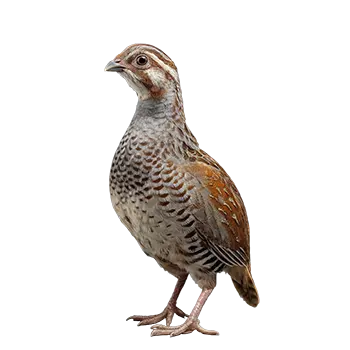
In the United States, the regulatory treatment of Coturnix Quail at the federal level involves several overlapping frameworks. The United States Department of Agriculture classifies domestic quail as poultry, which places them under the same broad regulatory umbrella as chickens, turkeys, and other domesticated gallinaceous birds. This classification has significant practical implications, particularly for keepers who sell eggs or meat commercially, as it brings their operations within the scope of USDA inspection and food safety requirements.

The Migratory Bird Treaty Act, which provides federal protection for most native wild bird species in the United States, does not apply to Coturnix japonica because the species is not native to North America and is classified as a domestic animal rather than a protected migratory species. This distinction is critical for prospective keepers, as it means that the extensive permitting requirements associated with keeping native game birds generally do not apply to domestic Coturnix Quail. However, keepers should be aware that some states apply their own game-bird regulations to all quail species regardless of domestication status, creating a layer of state-level complexity that can catch the unwary off guard.

The National Poultry Improvement Plan, administered by the USDA's Animal and Plant Health Inspection Service, establishes voluntary testing and certification programs aimed at controlling poultry diseases such as pullorum, typhoid, and avian influenza. While participation is voluntary for most small-scale keepers, NPIP certification is typically required for anyone who ships live birds or hatching eggs across state lines. This requirement has direct relevance to Coturnix Quail breeders who sell stock nationally through online marketplaces, as interstate shipment without NPIP certification can result in confiscation and penalties.

Federal regulations also govern the humane slaughter and processing of poultry, though small-scale exemptions exist that allow producers processing fewer than a specified number of birds annually to operate without full USDA inspection. These exemptions, commonly referred to as the 1,000-bird or 20,000-bird exemptions depending on the specific provision, enable many small Coturnix Quail operations to sell dressed birds directly to consumers or at farmers markets without the overhead of a USDA-inspected processing facility. The precise terms and applicability of these exemptions require careful review, as they vary based on the volume, method of sale, and whether the producer's state has adopted its own inspection program.

State & Local Zoning Laws

The most immediate legal consideration for most prospective Coturnix Quail keepers is local zoning law, which varies enormously from one municipality to the next. Many urban and suburban jurisdictions regulate the keeping of poultry and livestock through zoning ordinances that specify which types of animals are permitted on residential properties, the number of birds allowed, minimum lot sizes, setback requirements for coops and enclosures, and whether roosters or male birds are prohibited due to noise concerns. Because Coturnix Quail are classified as poultry, they typically fall within the scope of these ordinances.

The good news for urban quail keepers is that many municipalities that restrict or prohibit chickens do not specifically address quail, creating a regulatory gray area that some keepers navigate by arguing that quail are not explicitly covered by the local poultry ordinance. While this approach can succeed in practice, it carries inherent risk, as code enforcement officers may interpret general poultry language to include quail, and neighbors who complain about the birds can trigger enforcement actions. Prospective keepers in jurisdictions with restrictive poultry ordinances are well advised to contact their local zoning or animal control office for a definitive ruling before acquiring birds.

Some municipalities have adopted backyard poultry ordinances that specifically accommodate small-scale quail keeping. These ordinances may set separate bird-count limits for quail that are more generous than those applied to chickens, reflecting the quail's smaller size and reduced noise and waste output. A growing number of communities have revised their animal-keeping codes in recent years to accommodate the urban homesteading movement, and quail have benefited from this trend, often gaining explicit legal recognition as a permitted residential animal.

Homeowners' association rules represent an additional layer of regulation that can override municipal permissions. Even in jurisdictions where zoning law permits backyard poultry, an HOA's covenants, conditions, and restrictions may prohibit the keeping of any livestock or poultry on member properties. These private restrictions are legally enforceable and can result in fines, liens, or compelled removal of birds. Prospective keepers who live in HOA-governed communities should review their CC&Rs carefully and, if necessary, seek board approval before establishing a quail operation.

Licensing, Permits & Game-Bird Regulations

Several U.S. states classify all quail, including domestic Coturnix Quail, under their game-bird statutes, requiring keepers to obtain a game-bird breeder's license or permit before acquiring birds. States with this requirement include Pennsylvania, where a propagation permit is needed, and certain other states that apply blanket game-bird regulation to the entire order Galliformes regardless of species or domestication status. The licensing process typically involves an application, a modest fee, periodic reporting of bird inventories, and in some cases an inspection of the keeping facility.

The rationale behind these requirements is rooted in wildlife management rather than domestic animal regulation. State fish and wildlife agencies have historically regulated quail populations to manage hunting pressure on native species such as the Bobwhite Quail and the California Quail. Because Coturnix Quail are not native to North America and are not hunted recreationally in most states, their inclusion in game-bird permitting schemes is often an artifact of broadly drafted statutes rather than a deliberate policy choice. Nevertheless, the legal obligation is real, and keepers who fail to obtain required permits risk citations and the confiscation of their birds.

In states that do not classify domestic Coturnix Quail as game birds, no special permit is typically needed for personal keeping. However, commercial operations may face additional licensing requirements at the state or county level, particularly if they sell eggs, live birds, or processed meat. State departments of agriculture often require poultry farms, including quail operations, to register their premises, maintain biosecurity records, and comply with disease-testing protocols. These requirements are generally straightforward but can represent a meaningful administrative burden for small producers.

International regulations follow similarly varied patterns. In the United Kingdom, Coturnix Quail are classified as domestic poultry and are subject to the same registration and disease-reporting requirements as chickens when kept in flocks above a certain size threshold. In the European Union, national implementations of EU poultry health directives govern quail keeping, with specific rules varying by member state. In Australia, Coturnix Quail keeping is broadly permitted but subject to state-level animal welfare codes and, in some jurisdictions, biosecurity regulations aimed at preventing the establishment of feral populations. Prospective keepers in any country should consult their national and local authorities before acquiring birds.

Egg & Meat Sales Regulations

For Coturnix Quail keepers who wish to sell eggs or meat, the regulatory landscape introduces a distinct set of considerations that go beyond basic keeping permits. In the United States, the sale of quail eggs is regulated at the state level, and the specific requirements vary widely. Some states exempt shell eggs sold directly from the farm to the consumer from licensing and inspection requirements, while others require egg sellers to obtain a license, maintain cold-chain protocols, and submit to periodic inspection regardless of volume. The small size of quail eggs does not exempt them from these regulations, and keepers who assume that casual egg sales are unregulated may find themselves in violation of state food-safety law.

Meat sales are subject to more stringent regulation than egg sales in most jurisdictions. As noted above, federal exemptions exist that allow small-scale producers to process and sell poultry without full USDA inspection, but the specifics of these exemptions are complex and depend on the number of birds processed, whether the producer raises the birds, and the channels through which the meat is sold. Some states have adopted their own poultry inspection programs, which may impose additional or alternative requirements. Keepers who plan to sell processed quail should contact both their state department of agriculture and their local health department to determine which permits, licenses, and facility standards apply.

Cottage food laws, which in many states allow home-based producers to sell certain food products without commercial licensing, generally do not apply to fresh meat or eggs. While some states have extended cottage food protections to cover farm-fresh eggs from chickens, the inclusion of quail eggs in these provisions is inconsistent and should not be assumed. The distinction matters because cottage food operations typically enjoy simpler regulatory pathways, and keepers who mistakenly classify their quail egg sales as cottage food activity may face enforcement actions.

Labeling and grading requirements add another layer of complexity for commercial quail egg and meat producers. While small-scale direct-to-consumer sales may be exempt from detailed labeling rules, any producer selling through retail channels, farmers markets with specific vendor requirements, or online platforms will generally need to comply with applicable labeling standards. These standards may specify information about the product's origin, handling, refrigeration, and allergen status. Producers who scale their operations beyond casual local sales should invest time in understanding the labeling requirements specific to their state and sales channels.

Animal Welfare & Humane Keeping Standards

Animal welfare law as it applies to Coturnix Quail varies considerably by jurisdiction but is generally less developed than the welfare frameworks governing companion animals like dogs and cats. In the United States, the federal Animal Welfare Act does not cover poultry, leaving the regulation of quail welfare primarily to state anti-cruelty statutes. Most state cruelty laws prohibit the intentional infliction of unnecessary suffering on any animal, including poultry, and provide for criminal penalties ranging from misdemeanors to felonies depending on the severity of the offense and the state's statutory framework.

Beyond general cruelty prohibitions, some states and municipalities have adopted specific standards for the housing and care of poultry that apply to Coturnix Quail. These standards may address minimum space allowances per bird, requirements for shelter from weather and predators, access to clean water and appropriate feed, and provisions for veterinary care. While enforcement of these standards is uneven, keepers who maintain their birds in conditions that fall below recognized welfare thresholds risk both legal consequences and community complaints that can lead to code enforcement actions.

International welfare frameworks tend to be more prescriptive than those in the United States. The European Union's directive on the protection of animals kept for farming purposes establishes general welfare principles that member states must implement through national legislation, and specific provisions address the keeping of quail in commercial production systems. The United Kingdom's Animal Welfare Act 2006 imposes a duty of care on animal keepers, requiring them to provide for the physical and behavioral needs of their animals, including appropriate diet, environment, companionship, and protection from pain and disease.

Industry and advocacy organizations have developed voluntary welfare guidelines for Coturnix Quail that exceed the minimum legal requirements in many jurisdictions. These guidelines typically address stocking density, environmental enrichment, lighting schedules, handling protocols, and humane slaughter methods. While compliance with voluntary standards is not legally mandated, adherence signals a commitment to responsible stewardship and can enhance a keeper's reputation within the breeding and showing community. As public awareness of animal welfare continues to grow, voluntary best practices may increasingly influence the development of binding regulation.

Biosecurity & Disease Reporting Obligations

Biosecurity regulations represent an increasingly important component of the legal framework governing Coturnix Quail keeping, driven by concerns about avian influenza and other transmissible poultry diseases. In the United States, the USDA requires all poultry owners, including small-scale quail keepers, to report unusual mortality events or signs of certain reportable diseases to their state veterinarian or to APHIS. Failure to report a suspected outbreak of a reportable disease such as highly pathogenic avian influenza can result in significant penalties and may impede disease-response efforts that protect the broader poultry industry.

State-level biosecurity requirements vary but have trended toward greater stringency in the wake of major avian influenza outbreaks that have affected the U.S. poultry industry in recent years. Some states require all poultry premises, regardless of flock size, to register with the state department of agriculture and to maintain records of bird movements, purchases, and sales. Registration facilitates disease surveillance and enables rapid notification of premises in affected areas during an outbreak. Keepers who operate under the assumption that small backyard flocks are exempt from these requirements may find that their state has adopted broad registration mandates.

Importation regulations add a further biosecurity dimension. The movement of live quail and hatching eggs across state lines is subject to federal and state requirements that typically include health certificates issued by an accredited veterinarian and, in many cases, testing for specific diseases. International importation of Coturnix Quail is regulated by APHIS and requires import permits, quarantine, and disease testing. These controls are designed to prevent the introduction of foreign animal diseases and are enforced with increasing rigor as global trade in poultry and poultry products expands.

The practical implications of biosecurity regulation for small-scale Coturnix Quail keepers center on awareness and compliance. While the administrative burden of registration, record-keeping, and disease reporting may seem disproportionate for a keeper with a dozen birds, these requirements serve a legitimate public interest and noncompliance carries real legal risk. Keepers who purchase birds or hatching eggs online should be particularly attentive to the documentation requirements associated with interstate shipment, as transactions conducted through informal channels may lack the health certificates and NPIP documentation that receiving states require.

Always consult a qualified professional before making any health-related decisions. This content is provided for informational reference only and should not replace professional guidance specific to your animal.