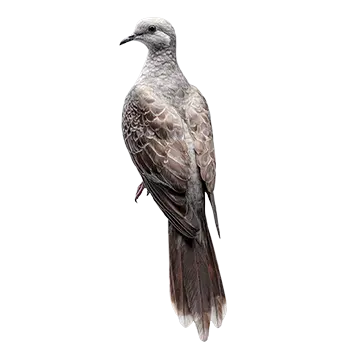

Preparing Your Cape Dove for Travel

Successful transport of a Cape Dove begins well before the day of travel, with careful preparation that addresses the bird's physical condition, temperament, and specific vulnerabilities. Cape Doves are small, relatively nervous birds that can be stressed by unfamiliar environments, sudden movements, and temperature fluctuations. A thorough pre-travel veterinary examination is strongly recommended, both to confirm the bird's fitness for the journey and to obtain any health certificates or documentation that may be required by airlines, border authorities, or the destination jurisdiction.

In the days leading up to travel, the bird should be gradually acclimated to its travel carrier. Placing the carrier in the bird's living area with the door open and food inside allows the dove to explore and become comfortable with the enclosure at its own pace. Cape Doves that have been habituated to their carrier in advance are significantly less likely to panic during transport, reducing the risk of injury from frantic flight within the confined space. Given the species' delicate build and long tail, minimizing stress-related thrashing is particularly important.

Dietary preparation is another consideration that experienced keepers take seriously. Offering the bird its usual seed mix in the carrier during the acclimation period helps establish a positive association with the enclosure. On the day of travel, a light meal several hours before departure is generally preferable to a full feeding immediately beforehand, as the stress of transport can disrupt digestion. Access to water should be maintained as long as practicable before the journey begins, as Cape Doves are obligate drinkers that cannot tolerate prolonged dehydration.

Assembling the necessary documentation well in advance is essential for avoiding delays and complications on the day of travel. Health certificates, proof of legal ownership, veterinary records, closed leg band numbers, and any required permits should be organized in a readily accessible folder. International travel will typically require documentation from the exporting country's veterinary authority and, depending on the destination, an import permit or pre-arrival notification. Confirming all requirements with the relevant authorities at least several weeks before the planned travel date is strongly advised.

Choosing & Equipping a Travel Carrier

Selecting an appropriate carrier is one of the most important decisions a Cape Dove owner will make when planning transport. The ideal carrier for a Cape Dove is small enough to limit the bird's ability to build up momentum in flight, which reduces the risk of collision injuries, but large enough to allow the bird to stand comfortably, turn around, and stretch its wings slightly. Given the species' body size of roughly 22 to 28 centimeters including the tail, a carrier with interior dimensions of approximately 25 by 20 by 20 centimeters is generally appropriate for short to medium journeys.

Carriers constructed from sturdy, opaque or semi-opaque materials are preferred over fully transparent enclosures. Cape Doves, like many small columbids, are calmer when they cannot see rapid visual changes in their surroundings, and a carrier with solid sides and a partially covered front helps create a sense of security. Ventilation must be adequate, with multiple small openings positioned to allow airflow without creating drafts. For air travel, the carrier must meet the specifications set by the International Air Transport Association and the specific airline, which typically include requirements for secure closures, leak-proof bottoms, and proper labeling.

The interior of the carrier should be lined with a non-slip surface to prevent the bird from sliding during movement. A layer of paper toweling over a thin mat of natural fiber provides both traction and absorbency. A low, stable perch can be included if the carrier dimensions allow, though some keepers prefer to omit perches for very short journeys on the grounds that a bird resting on the floor of a well-padded carrier is less likely to be dislodged by sudden jolts. A small, spill-resistant water container attached to the side of the carrier should be included for any journey exceeding an hour.

For keepers transporting Cape Doves to avian veterinary appointments, bird shows, or between aviaries within the same region, a simpler setup may suffice. Small, commercially available bird transport boxes designed for finch-sized species work well for Cape Doves on short trips, provided they offer adequate ventilation and a secure closure. Regardless of the carrier type, a light cloth cover placed over the exterior can help reduce visual stimulation and promote calm behavior during transit.

Air Travel with Cape Doves

Transporting Cape Doves by air requires careful planning and coordination with the airline well in advance of the travel date. Most major airlines accept live birds as cargo or checked baggage under specific conditions, but very few permit birds in the passenger cabin. Policies vary significantly between carriers and between domestic and international routes, and they are subject to change with little notice. Contacting the airline directly to confirm current policies, fees, and documentation requirements is an essential first step.

When Cape Doves travel as checked cargo, they are typically placed in the pressurized, temperature-controlled section of the aircraft hold. The International Air Transport Association publishes Live Animals Regulations that establish standards for container construction, labeling, feeding and watering schedules, and temperature tolerances during transport. Shippers must comply with these standards, and airlines may refuse shipments that do not meet their requirements. For Cape Doves, temperature is a critical consideration: the species is adapted to warm, dry climates and is sensitive to cold, meaning that flights routed through high-altitude or cold-weather hubs during winter months may pose a risk unless the cargo hold maintains appropriate temperatures.

Domestic air travel with Cape Doves within countries such as the United States, South Africa, or Australia follows the policies of the individual airline and any applicable national regulations. Some airlines have suspended or restricted the transport of live birds entirely, particularly in the wake of avian influenza outbreaks, and these restrictions may be imposed or lifted with limited advance notice. Booking well ahead of the planned travel date allows time to confirm that the airline will accept the shipment and to make alternative arrangements if necessary.

International air travel introduces additional layers of complexity, including customs clearance, quarantine requirements at the destination, and the need for health certificates issued by government-authorized veterinarians. Some countries require that arriving birds be held in government-approved quarantine facilities for a specified period, during which they are tested for infectious diseases before being released to the owner. The costs associated with quarantine can be substantial and should be factored into the overall planning and budgeting for international transport. Working with a licensed animal transport agent who specializes in live bird shipments can significantly reduce the administrative burden and the risk of unforeseen complications.

Road Transport & Local Trips

Road transport is the most common method of moving Cape Doves over short to moderate distances, whether for veterinary visits, transfers between breeders, attendance at bird shows, or relocation to a new home. The principles of safe road transport center on maintaining a stable, comfortable environment within the vehicle and minimizing the duration of the journey. Cape Doves are sensitive to temperature extremes, vibration, and sudden movements, and thoughtful attention to these factors can make the difference between a smooth trip and a stressful one.

The carrier should be secured in a position within the vehicle where it is shielded from direct sunlight and protected from sliding or tipping during turns and stops. The floor of the rear seat, braced against the front seat, or a flat cargo area are generally suitable locations. Placing the carrier on a passenger seat secured with a seatbelt is another option, though the height may expose the bird to more visual stimulation through the windows. A light cloth draped over the carrier reduces visual disturbance and promotes calm behavior.

Temperature management within the vehicle is critical, particularly during summer months in warm climates or winter months in cooler regions. Air conditioning or heating should be used to maintain a temperature range of approximately 20 to 28 degrees Celsius within the vehicle, reflecting the Cape Dove's preference for warm, dry conditions. The carrier should never be left in a parked vehicle, even briefly, as interior temperatures can rise or fall rapidly and reach lethal levels within minutes. If stops are necessary during a longer journey, the bird and carrier should accompany the driver.

For journeys exceeding two to three hours, periodic checks on the bird's condition are advisable. Offering water at rest stops, ensuring ventilation is adequate, and monitoring for signs of distress such as open-mouthed breathing, fluffed plumage, or excessive agitation allow the keeper to intervene before a problem escalates. Cape Doves that are accustomed to regular short trips, such as visits to an avian veterinarian, tend to travel increasingly well over time, as they habituate to the routine and learn that the experience is temporary and followed by a return to familiar surroundings.

Cross-Border & International Shipping

Moving Cape Doves across international borders involves a complex intersection of wildlife trade law, veterinary health regulation, and customs procedure that varies significantly depending on the countries involved. The process typically begins with research into the import requirements of the destination country, which may include species-specific restrictions, quarantine protocols, disease testing mandates, and documentation standards that must be met before the bird can be legally admitted. Starting this research several months in advance is advisable, as some requirements involve testing windows, processing times, and appointment scheduling that cannot be compressed.

Export documentation from the country of origin is equally important. Most countries require an export health certificate issued by a government-authorized or government-accredited veterinarian within a specified window before departure, often seven to ten days. This certificate attests that the bird has been examined, is free of signs of infectious disease, and meets the health standards of the destination country. For Cape Doves originating from within the species' native range in Africa, additional documentation demonstrating legal acquisition and, in some cases, captive-bred status may be required by both the exporting and importing authorities.

The logistics of international bird shipping are specialized enough that most keepers choose to work with professional animal transport companies that handle the paperwork, coordinate with airlines and customs brokers, and ensure compliance with all applicable regulations. These companies maintain relationships with approved quarantine facilities, know which airlines accept live bird cargo on specific routes, and can advise on seasonal restrictions or temporary suspensions that may affect the planned shipment. While the cost of professional shipping services adds to the overall expense, the reduction in risk and administrative burden is generally considered well worth the investment.

Quarantine requirements at the destination can be among the most significant logistical and financial considerations in international Cape Dove transport. Countries with strict biosecurity regimes, such as Australia, the United Kingdom, and several EU member states, may require arriving birds to spend a prescribed period in government-approved quarantine facilities, during which they are monitored for signs of disease and may be tested for specific pathogens. Quarantine periods can range from a few days to several weeks, and the associated costs, including facility fees, veterinary testing, and feeding, are borne by the importer. Understanding these requirements in detail before committing to an international transfer is essential for avoiding unpleasant surprises.

Health & Stress Management During Transit

The health risks associated with transporting Cape Doves are primarily related to stress, temperature exposure, dehydration, and the potential for physical injury within the carrier. Understanding these risks and taking proactive steps to mitigate them is the responsibility of every keeper who undertakes the transport of their birds. Stress, in particular, is a pervasive concern: even short journeys can elevate corticosterone levels in small birds, suppressing immune function and increasing susceptibility to illness in the days following transport.

Temperature management is arguably the single most important factor in safe Cape Dove transport. The species' natural adaptation to warm, arid environments means it tolerates heat reasonably well but is significantly vulnerable to cold. Exposure to temperatures below approximately 15 degrees Celsius for extended periods can induce hypothermia in a bird as small as the Cape Dove, and cold stress during transit has been identified as a contributing factor in post-transport illness and mortality. Conversely, overheating in poorly ventilated carriers or vehicles exposed to direct sunlight can be equally dangerous. Maintaining a stable, moderate temperature throughout the journey is essential.

Hydration deserves careful attention, particularly during longer journeys. Cape Doves are obligate drinkers that in the wild visit water sources at least once daily, and the stress of transport can increase their water requirements. Providing access to water in a spill-resistant container within the carrier, or offering water at regular intervals during stops, helps prevent dehydration. Adding a small amount of electrolyte supplement to the water, as recommended by an avian veterinarian, can support hydration and mineral balance during and after travel.

Post-travel monitoring is an often-overlooked aspect of transport health management. Upon arrival at the destination, the Cape Dove should be placed in a quiet, warm, and familiar environment with immediate access to food and water. Observing the bird closely for the first 48 to 72 hours after travel allows the keeper to detect early signs of illness, such as lethargy, fluffed feathers, reduced appetite, or changes in droppings, that might indicate a stress-related health issue requiring veterinary attention. Birds that have undergone particularly long or stressful journeys may benefit from a period of reduced handling and minimal environmental disturbance as they readjust to their normal routine.

Always consult a qualified professional before making any health-related decisions. This content is provided for informational reference only and should not replace professional guidance specific to your animal.