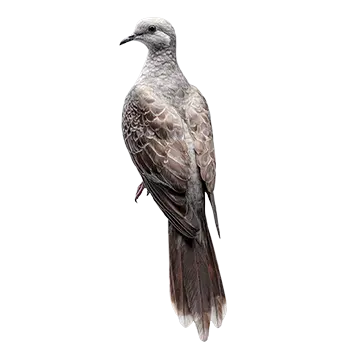

International Trade Regulations

The Cape Dove's legal status in international trade is shaped primarily by the framework established under the Convention on International Trade in Endangered Species of Wild Fauna and Flora, commonly known as CITES. As of the most recent review, the Cape Dove (Oena capensis) is not listed on any of the three CITES appendices, reflecting its classification as a species of Least Concern by the International Union for Conservation of Nature and the absence of evidence that international trade poses a significant threat to wild populations. This non-listed status means that the species is not subject to the permit requirements and trade controls that apply to appendix-listed birds, simplifying the process of international transfer for aviculturists and dealers.

However, the absence of a CITES listing does not mean that international trade in Cape Doves is entirely unregulated. Most countries maintain their own import and export controls for live birds, regardless of CITES status, and these national-level regulations can impose significant requirements on anyone seeking to move Cape Doves across international borders. Import permits, veterinary health certificates, quarantine periods, and compliance with sanitary standards are commonly required, and the specific requirements vary considerably from one country to another.

The European Union, for example, applies its own set of import controls to live birds entering member states, including requirements for avian influenza testing and certification from the country of origin. The United States enforces regulations through the U.S. Fish and Wildlife Service and the Animal and Plant Health Inspection Service, which govern the importation of live birds under a combination of wildlife and agricultural health statutes. Australia maintains some of the most restrictive live bird import policies in the world, and the Cape Dove's status as an exotic species means that importation is generally prohibited unless specific exemptions apply.

Prospective keepers and breeders considering the international acquisition of Cape Doves should consult the relevant national authorities in both the exporting and importing countries well in advance of any planned transfer. Regulations change frequently, and the penalties for non-compliance can include confiscation of birds, significant fines, and in some jurisdictions criminal prosecution. Working with established avicultural organizations and experienced importers can help ensure that all legal requirements are met and that the transfer proceeds smoothly.

Ownership Laws in Range Countries

Within the Cape Dove's native range across sub-Saharan Africa, legal frameworks governing the ownership and capture of wild birds vary significantly from country to country. In South Africa, wildlife legislation operates at both the national and provincial level, creating a patchwork of regulations that prospective keepers must navigate carefully. The National Environmental Management: Biodiversity Act provides overarching protections for indigenous wildlife, while individual provinces administer their own ordinances governing the capture, keeping, and trade of wild bird species. The Cape Dove, as a common indigenous species, is generally subject to these provincial regulations, and permits may be required for capture or keeping depending on the jurisdiction.

In Namibia, the Nature Conservation Ordinance regulates the capture and keeping of wild animals, including birds. The Cape Dove is not classified as a specially protected species under Namibian law, but general provisions still apply, and unauthorized capture of wild birds can result in penalties. Botswana's Wildlife Conservation and National Parks Act similarly provides a broad framework for the protection of indigenous fauna, under which the Cape Dove falls as a native species subject to general protections even if not individually listed as threatened or vulnerable.

East African countries within the Cape Dove's range, including Kenya and Tanzania, maintain their own wildlife legislation that governs the capture and trade of indigenous bird species. Kenya's Wildlife Conservation and Management Act, significantly revised in recent years, imposes strict controls on the capture and commercial use of all wildlife, and enforcement has been strengthened through increased penalties and expanded oversight. Tanzania's regulatory framework similarly governs the use of wild birds, and compliance with local requirements is essential for anyone seeking to keep Cape Doves obtained from wild sources within these countries.

The practical effect of these varying national and subnational regulations is that legal ownership of Cape Doves within their native range requires attention to the specific laws of the relevant jurisdiction. Captive-bred birds are generally subject to less restrictive requirements than wild-caught individuals, and documentation of captive breeding, such as closed leg bands and breeder records, can be important in establishing the legal provenance of birds in the keeper's possession. Prospective owners are strongly advised to consult local wildlife authorities or experienced avicultural contacts before acquiring Cape Doves in any range country.

Regulations in North America & Europe

In the United States, the Cape Dove is classified as an exotic species and is not protected under the Migratory Bird Treaty Act, which covers native North American bird species. This means that federal restrictions specific to migratory birds do not apply, but the species remains subject to state-level wildlife and exotic animal regulations, which vary widely. Some states require permits for the keeping of exotic birds, while others impose few or no additional requirements beyond general animal welfare standards. A small number of states maintain lists of prohibited or restricted species that could potentially affect the legality of Cape Dove ownership, and keepers should verify the current regulations in their state before acquiring birds.

Canada's regulatory approach to exotic birds combines federal and provincial jurisdictions. The federal Wild Animal and Plant Protection and Regulation of International and Interprovincial Trade Act governs the importation of non-native species, and provincial wildlife acts may impose additional requirements on the keeping of exotic birds. The Cape Dove, as a non-native species not listed under CITES, faces relatively straightforward import procedures compared to listed species, but compliance with health and quarantine requirements remains mandatory.

In Europe, the legal landscape for keeping Cape Doves varies across the continent. The European Union's wildlife trade regulations implement CITES at the community level, and since the Cape Dove is not CITES-listed, it is not subject to the EU's trade permit system for listed species. However, individual member states may maintain their own national regulations governing the keeping of exotic birds, including requirements for registration, microchipping, or proof of legal acquisition. Germany, the Netherlands, and Belgium, all of which have active avicultural communities with interest in the Cape Dove, each have their own sets of rules that keepers must follow.

The United Kingdom, following its departure from the European Union, has established its own framework for wildlife trade and exotic animal keeping. The Cape Dove is not subject to CITES controls in the UK, but keepers must comply with the Animal Welfare Act and any applicable local authority licensing requirements for exotic species. The British avicultural community, which has a long history of interest in African doves, generally navigates these requirements with the assistance of established breed societies and specialist clubs that provide guidance to their members.

Breeding, Sale & Transfer Regulations

The breeding and sale of Cape Doves in captivity is subject to a combination of wildlife, animal welfare, and commercial regulations that vary by jurisdiction. In most countries where the species is legally kept, captive breeding is permitted without special authorization beyond general compliance with animal welfare standards, provided the breeding stock was legally acquired. However, the commercial sale of captive-bred birds may trigger additional requirements, including business licensing, tax obligations, and compliance with consumer protection laws that govern the sale of live animals.

Documentation of captive breeding is an important aspect of legal compliance for Cape Dove breeders. Closed leg bands, applied to chicks while they are still small enough to accept them, serve as a widely recognized indicator of captive-bred origin and can help distinguish legally bred birds from wild-caught individuals. Many avicultural societies provide standardized banding schemes for their members, and participation in such programs can simplify the process of demonstrating legal provenance when birds are sold or transferred. In some jurisdictions, the absence of banding or equivalent documentation can create legal complications, particularly when birds cross international borders.

The transfer of Cape Doves between private keepers, whether through sale, gift, or exchange, is generally subject to the same legal framework that governs initial acquisition. In countries where permits or registration are required for exotic bird ownership, both the transferor and the recipient may have obligations to report the transaction to the relevant authorities. Online marketplaces and classified platforms have become significant channels for the sale and transfer of captive-bred doves, and both sellers and buyers should be aware of the legal requirements that apply to transactions conducted through these channels.

Animal welfare legislation increasingly applies to the conditions under which birds are bred and sold, and Cape Dove breeders should ensure that their practices meet the standards set by the relevant authorities. Minimum enclosure sizes, dietary requirements, veterinary care standards, and restrictions on the age at which young birds may be sold are among the provisions that may apply, depending on the jurisdiction. Breeders who participate in organized avicultural societies often benefit from access to codes of practice and peer guidance that help ensure compliance with both the letter and spirit of applicable regulations.

Invasive Species & Environmental Liability

In regions outside its native range, the Cape Dove may be subject to regulations designed to prevent the establishment of invasive exotic species. Countries and jurisdictions with strict biosecurity regimes, such as Australia and New Zealand, apply rigorous controls to the importation and keeping of non-native bird species, motivated by the potential for escaped or released captive birds to establish feral populations that could compete with native fauna or introduce diseases. In Australia, where the Cape Dove is kept in aviculture, regulations governing enclosure security and the reporting of escapes reflect these biosecurity concerns.

The risk of Cape Dove establishment outside its native range is considered relatively low by most assessments, given the species' specific habitat and dietary requirements. However, regulatory authorities in countries with vulnerable native avifaunas tend to apply the precautionary principle, treating all exotic bird species as potential invasive risks until evidence to the contrary is established. This precautionary approach can result in requirements that may seem disproportionate to the actual ecological risk posed by the Cape Dove but that serve a broader policy objective of protecting native biodiversity.

Liability for environmental damage caused by escaped or released exotic birds is an emerging area of law in several jurisdictions. In some countries, keepers of exotic species may be held responsible for the costs associated with recapturing escaped birds or mitigating any ecological harm they cause. While there are no widely reported cases of Cape Doves causing significant environmental damage outside their native range, the legal precedent established by cases involving other exotic bird species suggests that keepers should take enclosure security seriously and be aware of their potential liability in the event of an escape.

Keepers in regions where the Cape Dove is not native should familiarize themselves with local regulations regarding the escape and release of exotic species. In many jurisdictions, the deliberate release of exotic birds into the wild is a criminal offense carrying substantial penalties. Even unintentional escapes may trigger reporting requirements, and failure to report can result in additional legal consequences. Responsible aviculture, including the use of secure enclosures and appropriate precautions during handling and transport, is the most effective way to manage both the ecological and legal risks associated with keeping Cape Doves outside their natural range.

Ethical Considerations & Best Practices

Beyond the formal legal requirements governing Cape Dove ownership and trade, a broader set of ethical considerations informs responsible keeping of the species. The avicultural community has increasingly recognized that legal compliance, while necessary, is not sufficient on its own to ensure that the keeping of exotic birds is conducted in a manner that serves both the welfare of individual birds and the conservation of wild populations. Ethical best practices for Cape Dove keepers encompass sourcing, husbandry, breeding management, and the responsible disposition of birds that can no longer be kept.

Sourcing Cape Doves from captive-bred stock is widely regarded as the most ethical approach to acquiring the species. While the Cape Dove is not currently threatened in the wild, the principle of minimizing the demand for wild-caught birds applies broadly across aviculture and reflects a commitment to reducing the pressures that the pet trade can place on wild populations. Prospective keepers are encouraged to seek out reputable breeders who maintain proper records, participate in recognized banding schemes, and can provide documentation of captive-bred origin.

Breeding management is another area where ethical considerations extend beyond legal requirements. Responsible breeders aim to maintain genetically diverse captive populations by avoiding excessive inbreeding and by participating in cooperative breeding programs where possible. For a species like the Cape Dove, which has a relatively small captive population outside its native range, the long-term viability of avicultural stocks depends on the willingness of breeders to coordinate their efforts and share breeding stock. Avicultural societies and specialist dove clubs play an important role in facilitating this coordination.

The disposition of birds that can no longer be kept by their owners is a frequently overlooked but important ethical issue. Releasing captive Cape Doves into the wild is both illegal in most jurisdictions and ecologically irresponsible, regardless of whether the species is native to the area. Keepers who find themselves unable to continue caring for their birds should seek to rehome them through established avicultural networks, rescue organizations, or specialist sanctuaries. Planning for the long-term care of birds, including contingency arrangements in the event of the keeper's illness or death, is a responsibility that should be considered at the time of acquisition.

Always consult a qualified professional before making any health-related decisions. This content is provided for informational reference only and should not replace professional guidance specific to your animal.