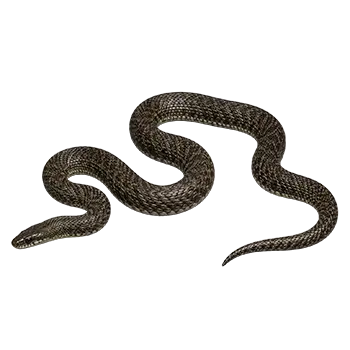

Enrichment for the File Snake operates on fundamentally different principles than enrichment for terrestrial snake species, and it draws more heavily from the aquarium and aquatic animal husbandry disciplines than from traditional herpetology. Acrochordus granulatus lives its entire life submerged, navigating a three-dimensional aquatic environment through touch, chemoreception, and vibration detection rather than the visual and thermal cues that dominate the sensory world of most land-dwelling snakes. Effective enrichment for this species must engage these aquatic senses and provide opportunities for the snake to express natural behaviors such as ambush hunting, exploration of submerged structures, and nocturnal movement through complex habitat architecture.
The concept of enrichment in reptile keeping has matured considerably over the past two decades, driven by research in zoo biology and a growing understanding that behavioral health is inseparable from physical health. A File Snake housed in a bare tank with nothing but water and a heater may survive for years, but it will exhibit none of the exploratory, investigative, and hunting behaviors that indicate psychological engagement with its environment. Chronic environmental monotony contributes to lethargy, reduced feeding response, and a suppressed immune system — outcomes that are difficult to attribute directly to the lack of enrichment but that experienced keepers recognize as symptoms of an impoverished habitat.
The goal of enrichment is not to entertain the keeper but to provide the snake with choices and challenges that approximate the complexity of its natural environment. In the mangrove estuaries and coastal shallows where File Snakes live, the habitat is rich with submerged root systems, fallen branches, shifting sediment, tidal flow variations, seasonal salinity changes, and a dynamic community of fish, crustaceans, and other organisms. No captive enclosure can fully replicate this complexity, but thoughtful enrichment narrows the gap between captive monotony and wild habitat richness in ways that measurably benefit the animal's behavior and condition.
Measuring the effectiveness of enrichment requires patient observation over weeks and months rather than expecting immediate, dramatic behavioral changes. A File Snake that begins using new hiding structures, exploring rearranged decor, responding more readily to feeding stimuli, or exhibiting increased nighttime activity after enrichment modifications are introduced is demonstrating positive behavioral indicators. Conversely, a snake that retreats to a single location and refuses to interact with novel elements may need a more gradual introduction of changes or may benefit from a different type of enrichment altogether.