
Nutritional Needs

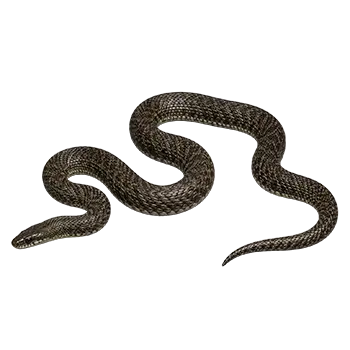
The File Snake is an obligate piscivore, meaning its entire nutritional strategy in the wild revolves around the capture and consumption of fish. Unlike many commonly kept snake species that thrive on a rodent-based diet, Acrochordus granulatus has evolved a digestive system specifically adapted to processing aquatic vertebrates. Its rough, granular skin — the source of its common name — aids in gripping slippery fish prey in the murky coastal waters, mangrove channels, and estuarine environments it inhabits across Southeast Asia and northern Australasia. This dietary specialization means that keepers must abandon the conventional frozen-rodent approach entirely and build a feeding program centered on whole fish.

Caloric requirements for the File Snake are modest compared to many terrestrial constrictors of similar length. The species has a notably low metabolic rate, even by snake standards, and spends much of its time resting motionless on the substrate or drifting in gentle currents. An adult File Snake measuring two and a half to three feet may only require a meal every seven to fourteen days depending on water temperature, activity level, and reproductive status. Overfeeding is a genuine risk with this species because the low energy expenditure of its sedentary lifestyle means that excess calories are stored as visceral fat, which can impair organ function over time and shorten the animal's lifespan.

Protein derived from whole fish provides the amino acid profile that the File Snake's physiology demands. Fish prey also delivers essential fatty acids, particularly omega-3 compounds, that support neurological function, skin integrity, and immune response. The calcium content of whole fish — obtained from the skeleton, scales, and fin rays — fulfills mineral requirements without supplementation in most cases. Organ tissue within the prey fish supplies fat-soluble vitamins and trace minerals including iodine, selenium, and zinc, which are present in marine and brackish-water fish in concentrations appropriate for a species that evolved in those same ecosystems.

Hydration is not a concern in the conventional sense for the File Snake, as it lives entirely submerged and absorbs water osmotically through its skin in addition to ingesting it incidentally during feeding. However, water quality directly influences the animal's ability to digest and metabolize its food efficiently. Elevated ammonia or nitrite levels in the enclosure water can irritate the mucous membranes of the digestive tract and suppress appetite. Clean, properly conditioned water at the correct salinity is therefore as fundamental to the File Snake's nutrition as the prey items themselves.

Choosing the Right Prey

Prey selection for the File Snake must reflect both the species' anatomical limitations and its evolutionary dietary niche. The snake's relatively small head and modest gape restrict the size of prey it can consume compared to similarly sized terrestrial species with more distensible jaws. Ideal prey fish should be slender-bodied and no wider than approximately one and a half times the diameter of the snake's head at its widest point. Fish with rigid spines, sharp opercular plates, or heavily armored bodies should be avoided entirely, as these can lacerate the esophageal lining or become lodged during swallowing.

Suitable prey species include silversides, small mullet, guppies and mollies for juveniles, whitebait, smelt, and similarly proportioned soft-finned fish. Tilapia fingerlings are an excellent staple for sub-adult and adult File Snakes due to their appropriate size range, soft fin structure, and wide commercial availability. Freshwater minnows and shiners are also accepted readily and provide good nutritional value. Some keepers have success with small pieces of whole fish fillet for reluctant feeders, though whole prey should always be the primary offering because it delivers the complete nutritional package including bones, organs, and scales.

The distinction between freshwater and marine prey species matters less nutritionally than it does in terms of contaminant exposure and availability. Wild-caught marine baitfish such as silversides and smelt are widely available from bait shops and fishing suppliers, but these sources may carry parasites or have been treated with preservatives not intended for reptile consumption. Farm-raised freshwater fish from aquaculture operations dedicated to feeder production offer greater consistency in quality and a lower parasite burden. Regardless of source, all prey fish should be frozen for a minimum of thirty days before offering to kill any internal parasites that could transfer to the snake.

Juvenile File Snakes present a particular feeding challenge because of their diminutive size at birth. Neonates, which measure roughly eight to ten inches, require very small fish such as guppy fry, newborn mollies, or cut pieces of larger fish. Feeding neonates in shallow water with minimal current reduces the energy expenditure of prey capture and allows the keeper to monitor food intake more accurately. As the snake grows, prey size should increase proportionally, with transitions happening gradually to prevent regurgitation events that are both stressful for the animal and harmful to the delicate esophageal tissue.

Frozen Prey Options

Sourcing frozen fish for the File Snake is considerably more straightforward than procuring prey for many other exotic snake species, primarily because the global aquaculture and fishing industries produce an enormous variety of appropriately sized frozen fish products. However, not all frozen fish available to consumers is suitable for reptile feeding. Grocery-store fish fillets, seasoned products, and fish processed with sodium tripolyphosphate or other moisture-retention chemicals should be strictly avoided. The ideal frozen prey consists of whole, unseasoned, individually quick-frozen fish processed without additives.

Specialty reptile suppliers offer frozen silversides, smelt, and tilapia fingerlings packaged specifically for reptile feeding. These products are typically flash-frozen shortly after harvest and vacuum-sealed or nitrogen-flushed to prevent oxidation and freezer burn. Purchasing from reptile-focused suppliers offers the advantage of quality assurance — the fish are selected for appropriate size, processed without harmful additives, and handled with the understanding that they will be consumed by captive animals with sensitive digestive systems. Many of these suppliers offer bulk pricing that significantly reduces per-unit costs for regular buyers.

Bait-grade frozen fish from fishing supply outlets represent a cost-effective alternative for keepers feeding multiple File Snakes or those seeking to reduce long-term feeding expenses. Frozen silversides, sardines, and smelt sold as fishing bait are often the same species and size used by reptile suppliers but packaged in larger quantities at lower prices. The critical caveat is that bait-grade fish may not be processed to the same hygiene standards as food-grade products, and some bait fish are treated with salt, dyes, or preservatives that are harmful to snakes. Keepers must read ingredient labels carefully and source only untreated, plain frozen fish.

Storage and thawing practices directly affect the nutritional value and safety of frozen fish prey. A dedicated chest freezer or a clearly designated section of a household freezer should be maintained at or below zero degrees Fahrenheit. Fish stored at consistent sub-zero temperatures retain their nutritional profile for up to six months, though three to four months is preferable for optimal vitamin content. Thawing should be performed by placing the required number of fish in a sealed container of lukewarm water for fifteen to twenty minutes — never in a microwave, which creates hot spots that cook portions of the fish and destroy heat-sensitive nutrients. Thawed fish should be offered promptly and never refrozen.

Supplements and Vitamins

The File Snake's exclusive reliance on whole fish prey creates a nutritional dynamic that is largely self-sufficient but carries a few specific vulnerabilities that keepers should understand. Whole fish provide complete protein, calcium from the skeleton and scales, phosphorus, iodine, omega-3 fatty acids, and a broad spectrum of B vitamins. In most circumstances, a File Snake consuming a varied rotation of whole fish prey species does not require any supplementation whatn

The primary nutritional risk associated with a fish-exclusive diet is thiamine deficiency, also known as vitamin B1 deficiency. Certain fish species — most notably smelt, herring, and other members of the family Clupeidae — contain elevated levels of thiaminase, an enzyme that destroys thiamine during digestion. A File Snake fed exclusively or predominantly on thiaminase-rich fish can develop neurological symptoms including loss of coordination, head tremors, inability to strike at prey accurately, and eventual paralysis. The condition is progressive and can be fatal if not identified and corrected. Preventing thiaminase-related deficiency is straightforward: rotate prey species regularly and avoid diets dominated by any single thiaminase-containing fish.

Calcium supplementation is rarely necessary when whole fish are offered, because the skeletal structure of the prey provides adequate calcium in a bioavailable form. However, keepers who occasionally supplement with fish fillets rather than whole prey are effectively removing the primary calcium source from the diet. In these cases, a light dusting of reptile-specific calcium powder without added phosphorus on the fillet can partially compensate, though reverting to whole prey as quickly as possible is the better solution. Calcium-to-phosphorus ratios in the overall diet should remain close to two-to-one, which whole fish naturally approximate.

Multivitamin supplementation should be approached with caution and ideally under the guidance of a veterinarian experienced with aquatic reptiles. Fat-soluble vitamins accumulate in tissue and can reach toxic concentrations if administered without clinical justification. A reptile-specific multivitamin applied to a prey item no more than once per month may provide a reasonable safety margin for keepers concerned about micronutrient gaps, particularly during winter months when feeding frequency decreases and the interval between nutritional inputs lengthens. The most effective nutritional strategy, however, remains offering a diverse rotation of high-quality whole fish from multiple species rather than relying on powdered supplements to compensate for a monotonous diet.

Foods to Avoid

Rodents are the most common inappropriate food item offered to File Snakes by keepers unfamiliar with the species' dietary specialization. While many snake species thrive on a rodent-based diet, Acrochordus granulatus lacks the digestive adaptations necessary to efficiently process mammalian fur, which can accumulate in the gastrointestinal tract and cause impaction. The fat composition of rodents also differs substantially from that of fish, with rodent fat being higher in saturated fatty acids and lower in the omega-3 compounds that the File Snake's metabolism is optimized to utilize. Offering rodents to a File Snake is nutritionally inappropriate and potentially dangerous.

Feeder goldfish, despite being readily available and inexpensive, are a poor dietary choice for the File Snake. Goldfish contain high levels of thiaminase and are exceptionally fatty compared to the lean-bodied fish that this species consumes in the wild. A diet based on feeder goldfish leads to obesity, thiamine deficiency, and hepatic lipidosis in relatively short order. Additionally, feeder goldfish from pet stores are frequently maintained in overcrowded, poorly filtered systems that promote bacterial and parasitic infections. The low cost of feeder goldfish does not offset the veterinary expenses and health consequences that inevitably follow from their regular use.

Processed or prepared fish products intended for human consumption are inappropriate for File Snakes regardless of how closely they might resemble natural prey. Smoked fish, canned fish, breaded fillets, sushi-grade fish treated with preservatives, and any fish product containing salt, seasoning, or chemical additives should never be offered. Even plain frozen fish marketed for human consumption may have been processed with sodium solutions to retain moisture during transport and storage. These additives disrupt the snake's osmoregulatory balance and can cause renal stress in an animal that depends on precise water-salt equilibrium for survival.

Live fish from uncontrolled sources — backyard ponds, ditches, rivers, or lakes — pose unacceptable risks of parasite transmission and environmental contamination. Wild fish may harbor trematodes, nematodes, cestodes, and other internal parasites that can establish infections in the File Snake. Additionally, wild-caught fish from agricultural areas may contain pesticide and herbicide residues, heavy metals, or algal toxins that accumulate in the snake's tissues over time. Even when live feeding is preferred to stimulate reluctant eaters, the live fish must come from a controlled aquaculture source where water quality, feed inputs, and health status are monitored and documented.

Feeding Schedule and Techniques

Establishing a consistent feeding schedule for the File Snake requires an understanding of the species' naturally slow metabolism and its behavioral rhythms in the wild. Acrochordus granulatus is a nocturnal ambush predator that waits motionless in murky water for fish to pass within striking range. This low-energy hunting strategy reflects a metabolism that operates at a substantially lower rate than that of active foraging species. In captivity, adult File Snakes typically require a meal every seven to fourteen days, with the interval adjusted based on the size of the prey item, the water temperature, and the individual animal's body condition. Juveniles, which are growing rapidly and have proportionally higher metabolic demands, benefit from feedings every four to seven days.

Water temperature is the single most influential environmental variable governing the File Snake's feeding response and digestive efficiency. At the lower end of the species' tolerable temperature range, around seventy-five degrees Fahrenheit, metabolism slows and the snake may refuse food or digest it so slowly that bacterial decomposition begins within the gut before processing is complete. At the optimal range of seventy-eight to eighty-four degrees Fahrenheit, the digestive system operates efficiently and the snake is most likely to exhibit normal feeding behavior. Maintaining stable water temperatures within this range is essential for predictable feeding schedules and proper nutrient absorption.

Feeding technique for the File Snake differs markedly from the tong-feeding approach used with most terrestrial snakes. Because the animal lives entirely underwater, prey must be introduced directly into the aquatic environment. Dropping a thawed fish into the enclosure near the snake's resting position during the evening hours, when the animal is most active, is the simplest approach. Some individuals respond to gentle agitation of the water surface with the prey item, which creates vibrations that mimic the movements of a live fish and trigger a predatory response. Using long aquarium-style feeding tongs or hemostats allows the keeper to present the fish at close range without placing hands in the water.

Refusal to feed is not uncommon in newly acquired File Snakes or animals adjusting to changes in their enclosure, water parameters, or seasonal light cycles. A healthy File Snake can safely go several weeks without eating, and keepers should resist the temptation to force-feed or offer inappropriate alternative prey items during these periods. Ensuring optimal water quality, maintaining stable temperatures, minimizing disturbances to the enclosure, and offering food during the darkest hours of the evening are the most effective strategies for coaxing a reluctant File Snake back onto a regular feeding schedule. If a hunger strike persists beyond six weeks in an adult or three weeks in a juvenile, consultation with a reptile veterinarian experienced in aquatic species is advisable.

Always consult a qualified professional before making any health-related decisions. This content is provided for informational reference only and should not replace professional guidance specific to your animal.