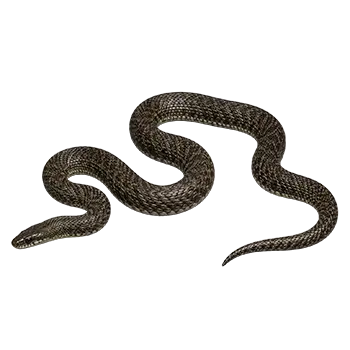

Precision temperature control is the most critical technological investment in a File Snake enclosure because Acrochordus granulatus depends entirely on its aquatic environment for thermoregulation, and even minor temperature deviations affect digestion, immune function, and behavioral normalcy. The submersible aquarium heater that physically warms the water is only half the equation — the thermostat or temperature controller that governs the heater's operation determines how accurately and consistently the target temperature is maintained. Built-in thermostats on most consumer-grade aquarium heaters are notoriously imprecise, with accuracy margins of plus or minus two to four degrees Fahrenheit that can mean the difference between optimal conditions and chronic thermal stress for a sensitive aquatic reptile.
External aquarium temperature controllers address the precision gap by overriding the heater's internal thermostat with a separate, more accurate probe-and-relay system. These devices plug inline between the heater and the wall outlet, cutting power to the heater when the water reaches the set temperature and restoring it when the temperature drops below the activation threshold. High-quality controllers offer accuracy to within half a degree Fahrenheit and include high-temperature alarms that alert the keeper if the heater malfunctions in the on position — a failure mode that can rapidly overheat a small water volume and kill the snake within hours.
Dual-stage controllers capable of managing both heating and cooling equipment provide the most comprehensive temperature management for keepers in climates where summer heat pushes ambient room temperatures above the File Snake's comfort range. These controllers operate a heater on one circuit and a cooling device — typically an aquarium chiller or a fan array — on a second circuit, maintaining the water temperature within a narrow band regardless of seasonal ambient fluctuations. For most hobbyist setups, a quality single-stage heating controller paired with a standalone high-temperature alarm provides adequate protection at a more accessible price point.
Redundant temperature monitoring should accompany any automated control system. A digital aquarium thermometer with a submersible probe, positioned at the opposite end of the tank from the heater probe, provides an independent verification of the water temperature that the controller is reading. Discrepancies between the controller's display and the independent thermometer indicate probe drift, placement issues, or temperature stratification within the tank. Checking both readings daily takes seconds and catches developing problems before they reach crisis levels. Battery-powered digital thermometers with minimum-maximum memory functions are particularly useful because they record the temperature extremes that occurred overnight or while the keeper was away.