
Enclosure Size and Type

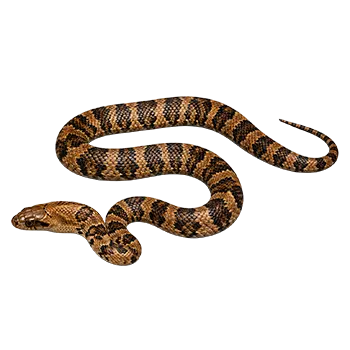
The False Water Cobra is among the most active and space-demanding colubrids commonly kept in captivity, and its enclosure requirements reflect both its adult size and its behavioral profile. An adult Hydrodynastes gigas measuring five to seven feet in total length requires an enclosure with a minimum footprint of six feet long by two-and-a-half feet deep by two feet tall. Larger individuals approaching eight or nine feet benefit from even more generous dimensions, and keepers who can provide an enclosure of eight by three by two-and-a-half feet will observe significantly more natural behavior from their animals. These are not sedentary snakes that spend their days coiled in a hide; they patrol, investigate, climb low structures, and spend extended periods in their water features, all of which demand usable space.

PVC and sealed wood enclosures are the preferred housing options for adult False Water Cobras. PVC cages manufactured by specialty reptile enclosure companies offer excellent humidity retention, lightweight construction, and smooth interior surfaces that are easy to clean and resistant to water damage. Sealed plywood enclosures built by experienced hobbyists or custom fabricators provide similar performance at a lower cost, though they require careful waterproofing with marine-grade sealant or pond liner to withstand the high humidity and large water features this species demands. Glass aquariums are generally unsuitable for adult False Water Cobras because they retain heat and humidity poorly, are heavy and difficult to service at the required dimensions, and provide minimal visual security for a species that can become stressed by excessive external visibility.

Hatchlings and small juveniles under two feet in length can be housed temporarily in appropriately sized plastic tubs or small enclosures measuring approximately twenty-four by eighteen by twelve inches. These starter enclosures should still include the essential elements — a warm side, a cool side, a snug hide, and a water bowl — but the compact footprint makes it easier to monitor a young snake's feeding and health during the critical first months. Upgrading to a larger enclosure should occur proactively as the snake grows, rather than waiting until the animal appears cramped. A general guideline is that the enclosure's longest dimension should be at least equal to the snake's total body length.

Security is a paramount concern with any False Water Cobra enclosure. These snakes are powerful, inquisitive, and remarkably adept at exploiting gaps, loose-fitting lids, and unsecured access panels. Every opening must latch or lock positively, and sliding doors should have keyed locks or pin mechanisms that the snake cannot manipulate by pushing against them. An escaped False Water Cobra presents a genuine safety concern beyond the typical escaped-snake scenario because of the species' rear-fanged venom delivery and its willingness to bite defensively when startled. Investing in an enclosure with robust, purpose-built locking hardware is not optional — it is a fundamental responsibility of keeping this species.

Substrate Options

Substrate selection for the False Water Cobra must balance humidity retention, ease of maintenance, naturalistic appearance, and resistance to mold and bacterial growth in a persistently damp environment. Cypress mulch is widely regarded as the best single-substrate option for this species. It retains moisture effectively without becoming waterlogged, releases humidity gradually into the enclosure air space, resists mold growth significantly better than many alternative wood-based substrates, and provides a natural appearance that complements the species' South American habitat. A layer of three to four inches allows the snake to burrow partially, which is a behavior False Water Cobras engage in regularly and should be permitted rather than discouraged.

Coconut coir, sold in compressed brick form and expanded with water before use, is another excellent substrate choice that offers superior moisture retention and a fine, soil-like texture. Coir can be used alone or blended with cypress mulch to create a substrate mix that combines the moisture-holding capacity of coir with the structural openness and drainage of mulch. A fifty-fifty blend by volume is a popular starting ratio that can be adjusted based on the enclosure's ventilation characteristics and the ambient humidity of the keeper's home. Pure coir tends to compact over time, so periodic loosening of the substrate surface during routine maintenance prevents it from forming a dense, anaerobic mat.

Substrates to avoid include cedar and pine shavings, which contain volatile aromatic oils that are toxic to reptiles and can cause respiratory distress, neurological damage, and death with prolonged exposure. Sand is inappropriate for this species because it provides no humidity retention, can be ingested incidentally during feeding and cause gastrointestinal impaction, and does not support the burrowing behavior that False Water Cobras naturally exhibit. Newspaper and paper towels are functional for quarantine enclosures and temporary housing but are wholly inadequate for long-term setups because they cannot maintain the humidity levels this species requires and provide no enrichment value.

The area immediately surrounding the water feature deserves special substrate consideration because it will be the wettest zone in the enclosure. Some keepers install a drainage layer of hydroton clay balls or plastic egg crate beneath the substrate in this area, covered with a mesh barrier to prevent the snake from contacting the drainage medium. This approach prevents water from pooling on the substrate surface and creating stagnant, bacteria-laden zones. Alternatively, the water feature can be placed on a raised platform or recessed tray that contains splashing and overflow, keeping the surrounding substrate drier and easier to maintain.

Regardless of the substrate chosen, a full substrate change should be performed every four to six weeks under normal conditions, with spot-cleaning of soiled areas and fecal deposits performed as soon as they are noticed. False Water Cobras produce substantial waste volumes relative to their body size, and the combination of high humidity and organic waste creates ideal conditions for bacterial and fungal proliferation if maintenance is neglected. During substrate changes, the enclosure floor should be wiped down with a reptile-safe disinfectant and allowed to dry completely before fresh substrate is added.

Temperature and Heating

Establishing a proper thermal gradient within the False Water Cobra's enclosure is essential for supporting digestion, immune function, and normal behavioral patterns. The warm end of the enclosure should maintain an ambient air temperature of eighty-five to eighty-eight degrees Fahrenheit, with a basking surface temperature of approximately ninety degrees Fahrenheit available for the snake to access when it chooses to thermoregulate actively. The cool end should sit in the range of seventy-five to seventy-eight degrees Fahrenheit, providing a meaningful temperature differential that allows the snake to shuttle between zones based on its physiological needs at any given time.

Radiant heat panels mounted to the ceiling of the enclosure are the preferred primary heat source for PVC and wood enclosures housing False Water Cobras. These panels distribute heat evenly across a broad area, produce no visible light that disrupts the photoperiod, and are positioned out of the snake's reach, eliminating the risk of thermal burns. They should always be connected to a proportional thermostat that continuously adjusts power output based on temperature feedback from a probe positioned at the basking zone's surface level. Proportional thermostats — as opposed to simple on-off models — prevent the temperature oscillations that can stress reptiles and provide the most stable thermal environment.

Under-tank heating pads are a common supplemental heat source that can be effective in certain configurations but require careful implementation. For enclosures with PVC or glass floors, a heat pad placed beneath the enclosure and connected to its own thermostat can create a warm belly-heat zone that supports digestion. However, this approach is less effective for enclosures with thick wooden floors, where the insulating properties of the wood diminish heat transfer to the substrate surface. Heat pads should never be used without a thermostat, as unregulated pads can reach surface temperatures well above one hundred degrees Fahrenheit and cause severe ventral burns.

Nighttime temperature management deserves deliberate attention because False Water Cobras benefit from a modest nighttime temperature drop that mimics natural conditions. Allowing the warm side to cool to approximately eighty to eighty-two degrees Fahrenheit and the cool side to drop to seventy-two to seventy-five degrees Fahrenheit during the dark period supports healthy circadian rhythms and can encourage natural breeding behavior in animals maintained for reproductive purposes. Ceramic heat emitters connected to a thermostat with a night-mode setting are an effective solution for maintaining these slightly reduced nighttime temperatures without producing light that would disrupt the snake's photoperiod.

Ambient room temperature has a significant influence on the thermal profile within any reptile enclosure, and keepers should account for seasonal fluctuations in their homes. An enclosure in a room that drops to sixty-five degrees Fahrenheit during winter nights may struggle to maintain adequate cool-side temperatures even with robust heating equipment on the warm end. Conversely, a room that reaches eighty-five degrees during summer may eliminate the thermal gradient entirely, leaving the snake no option for cooling down. Positioning the enclosure in a climate-stable room away from windows, exterior walls, and HVAC vents provides the most predictable baseline for the heating system to work against.

Humidity and Water Features

Humidity management is arguably the single most critical environmental parameter for False Water Cobra housing, and it is the factor most frequently mismanaged by keepers transitioning from arid-adapted species to this semi-aquatic colubrid. The target ambient humidity inside the enclosure should remain between sixty and eighty percent throughout the day, with brief excursions above eighty percent being acceptable following misting sessions or during shedding periods. Sustained humidity below fifty percent leads to chronic dehydration, retained shed, and respiratory irritation, while persistent levels above ninety percent without adequate ventilation promote bacterial skin infections, scale rot, and respiratory disease.

A large water feature is not optional for this species — it is a fundamental component of the enclosure design. False Water Cobras spend significant portions of their active time in water, soaking partially or fully submerged, hunting in the water in the wild, and using the water dish as a thermoregulatory aid. The water container should be large enough for the snake to coil its entire body inside with room to spare, heavy enough or secured in a manner that prevents tipping, and shallow enough that the snake can rest with its head above the waterline without effort. For adult animals, purpose-built reptile pools, heavy-duty storage bins, or custom-welded stainless steel pans are popular options that meet these requirements.

Water quality must be maintained rigorously because False Water Cobras frequently defecate in their water, and a soiled water source becomes a breeding ground for pathogenic bacteria within hours in a warm, humid environment. Daily visual inspection and immediate water changes when soiling is detected are the minimum standard. A complete water change with fresh dechlorinated water every two to three days is recommended even when the water appears clean, as dissolved waste products accumulate invisibly. The water container itself should be scrubbed with a reptile-safe disinfectant during every full water change to prevent biofilm buildup on the container surfaces.

Supplemental humidity can be provided through manual misting with a pressurized spray bottle, automated misting systems, or a combination of both. Manual misting is effective but labor-intensive, requiring at least one or two sessions per day in most environments. Automated misting systems equipped with programmable timers and adjustable nozzle positions provide consistent humidity delivery without daily intervention. These systems connect to a reservoir of dechlorinated or reverse-osmosis water and deliver fine mist sprays at timed intervals, raising the humidity level quickly and allowing it to naturally decay between cycles. Positioning misting nozzles so that the spray covers the substrate surface and enclosure walls rather than directly soaking the snake prevents excessive wetting of the animal's dorsal scales.

Lighting Requirements

Lighting in the False Water Cobra's enclosure serves both functional and biological purposes, and a thoughtful lighting plan contributes meaningfully to the animal's long-term health and behavioral normality. A consistent photoperiod of twelve hours of light and twelve hours of darkness during the equinox months, adjusted to fourteen hours of light in summer and ten hours in winter for keepers who wish to simulate seasonal cycling, provides the circadian cues that regulate the snake's activity patterns, appetite, and reproductive physiology. Consistent day-night cycling is particularly important for False Water Cobras because of their diurnal activity tendencies — they are more active during daylight hours than many other snake species and benefit from a clear light-dark distinction.

The role of UVB lighting for snakes remains a subject of evolving research and professional debate, but the current body of evidence suggests that False Water Cobras derive measurable benefits from access to low-level UVB radiation. Studies on colubrid species have demonstrated improved vitamin D3 synthesis, enhanced calcium metabolism, more vibrant coloration, and increased activity levels in animals provided with UVB exposure compared to control groups maintained without it. A low-output UVB fluorescent tube or compact bulb in the five-to-seven-percent UVB range, positioned to create a UV gradient within the enclosure, allows the snake to self-regulate its exposure by moving into or out of the UVB zone.

The UVB source should be mounted inside the enclosure or directly against an unfiltered screen top, because glass and most plastics block the UVB wavelengths before they reach the animal. The bulb's effective UVB output degrades over time even if the visible light output appears unchanged, so replacement on a six-to-twelve-month cycle depending on the manufacturer's specifications ensures consistent exposure. A UVB meter is a worthwhile investment for keepers who want to verify that the exposure levels at the snake's basking distance fall within the recommended range for crepuscular to moderately diurnal species.

Ambient lighting from LED strip fixtures or low-wattage LED panels provides the visible-spectrum illumination needed to view the snake, support live plant growth if bioactive elements are included in the enclosure, and establish the photoperiod. LED fixtures produce minimal heat, consume little energy, and are available in a range of color temperatures that can be selected to complement the naturalistic appearance of the enclosure. A color temperature in the range of five thousand to sixty-five hundred Kelvin approximates natural daylight and presents the snake's coloration accurately. All lighting should be controlled by a reliable timer or connected to a smart plug with scheduling capability to ensure the photoperiod is maintained consistently without relying on manual switching.

Ventilation and Airflow

Adequate ventilation is the critical counterbalance to the high humidity levels that False Water Cobra enclosures must maintain, and getting this balance right is one of the most nuanced aspects of housing this species. Stagnant, moisture-saturated air promotes the growth of mold, mildew, and pathogenic bacteria on enclosure surfaces and substrate, and it creates conditions favorable for respiratory infections — one of the most common health problems in captive snakes housed in poorly ventilated, excessively humid environments. The goal is to achieve steady air exchange that refreshes the enclosure atmosphere without creating drafts that strip humidity faster than it can be replenished.

Most commercially manufactured PVC reptile enclosures include ventilation panels — typically perforated strips or screened openings — positioned on the front and back walls or on opposing sides. This cross-ventilation design promotes passive airflow driven by the temperature differential between the warm and cool ends of the enclosure. For False Water Cobra setups, the total ventilation area may need to be adjusted based on the ambient conditions in the keeper's home. In arid climates or homes with central air conditioning that aggressively dehumidifies, reducing the ventilation area by partially covering one of the vents with tape or a removable panel can help retain moisture. In humid climates or poorly ventilated rooms, additional ventilation openings or a small computer fan mounted to exhaust air from the enclosure may be necessary to prevent condensation and stagnant air pockets.

Custom-built wooden enclosures require the builder to integrate ventilation deliberately during construction because wood does not breathe in the same way that a PVC panel with factory vents does. Screened openings should be positioned low on one side and high on the opposite side to exploit convective airflow, where cool air enters at the lower vent and warm, moist air exits through the upper vent. The screened areas should be covered with corrosion-resistant mesh — aluminum or stainless steel — that is secured firmly to prevent the snake from pushing through or abrading its rostral scales against rough edges.

Monitoring air quality within the enclosure is best accomplished indirectly through the absence of visible mold, condensation that clears within a reasonable time after misting, and substrate that remains damp but not waterlogged. If mold appears persistently on enclosure surfaces or decor despite regular cleaning, or if condensation remains on the walls for hours after the last misting event, the ventilation is insufficient for the humidity load being generated. Conversely, if the humidity reading drops below fifty percent within an hour of misting and the substrate dries out rapidly, the ventilation is excessive relative to the moisture input. Adjusting ventilation incrementally and observing the enclosure's humidity response over several days is the most reliable tuning method.

Enclosure Furnishing and Layout

The interior layout of a False Water Cobra enclosure should be designed to accommodate the full range of natural behaviors this species exhibits in captivity, including ground-level foraging, partial burrowing, low climbing, soaking, and thermoregulation. A bare enclosure with only a water bowl and a hide fails to engage the animal's considerable intelligence and activity drive, leading to repetitive behaviors such as persistent nose-rubbing against the enclosure walls — a stress indicator that is common in under-enriched False Water Cobra setups. Thoughtful furnishing transforms the enclosure from a holding container into a functional habitat.

Hide boxes are the foundational furnishing element, and a minimum of two hides — one on the warm end and one on the cool end — is the absolute baseline. The hides should be sized so that the snake can coil inside with its body touching the walls on most sides, creating the snug, enclosed sensation that makes a hide psychologically effective. Half-round cork bark tubes, molded resin cave structures, and inverted plastic storage containers with entrance holes cut into one end are all functional options. The entrance should be just large enough for the snake to enter and exit without difficulty but not so large that the interior feels exposed. False Water Cobras often show a strong preference for hides with a single entry point rather than open-ended tunnels.

Climbing structures should be included despite the fact that False Water Cobras are primarily terrestrial. These snakes regularly climb low branches, ledges, and shelving in captivity, particularly during their active periods in the morning and late afternoon. Sturdy hardwood branches with diameters slightly larger than the snake's body width, secured firmly to prevent shifting or falling, provide climbing opportunities that the snake will use. Cork bark flats mounted at angles against the enclosure walls serve a similar purpose while also providing additional hiding surfaces. All climbing structures must be tested for stability with a load exceeding the snake's body weight before the animal is introduced, as a falling branch can injure the snake and damage enclosure components.

The water feature, discussed in detail in the humidity section, also functions as a major furnishing element and should be positioned thoughtfully within the enclosure layout. Placing the water container on the cool end of the thermal gradient prevents the warm end's heat output from rapidly evaporating the water and raising humidity beyond the target range. A water feature on the cool side also gives the snake a means of lowering its body temperature quickly after basking, which mirrors the thermoregulatory shuttling behavior observed in wild populations along riverbanks and marsh edges.

Live plants can be incorporated into False Water Cobra enclosures to enhance visual appeal and contribute modestly to humidity regulation, but the plant selection must account for the snake's size and activity level. Large, robust species such as pothos, philodendron, and sansevieria tolerate the warm, humid conditions inside the enclosure and can withstand being crawled over by a heavy-bodied snake. Smaller or delicate plants will be crushed within days. Plants should be potted in organic, pesticide-free soil and positioned where they receive adequate light from the enclosure's lighting system. Bioactive setups that incorporate a living substrate ecosystem with springtails and isopods to break down waste are increasingly popular and can reduce the frequency of full substrate changes, though they require careful planning and a maturation period before the snake is introduced.

Always consult a qualified professional before making any health-related decisions. This content is provided for informational reference only and should not replace professional guidance specific to your animal.