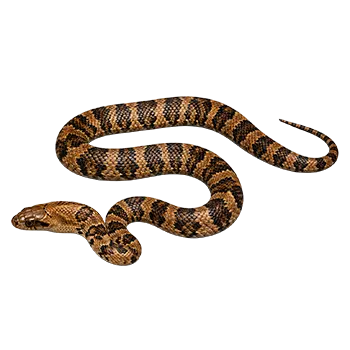

The False Water Cobra is a large, active rear-fanged colubrid native to the wetlands, floodplains, and riparian corridors of South America, where its diet reflects both its semi-aquatic lifestyle and its opportunistic predatory instincts. Hydrodynastes gigas feeds on a remarkably diverse array of prey in the wild, including fish, frogs, toads, lizards, other snakes, small mammals, and birds. This dietary versatility is one of the defining characteristics of the species and informs the nutritional approach keepers must take in captivity. While the captive diet is necessarily narrower than what the snake would encounter in its native range, the goal remains delivering complete, balanced nutrition through whole-prey items that supply protein, fat, calcium, organ-derived vitamins, and trace minerals in every feeding.
Caloric management is an important consideration for False Water Cobras because of their high activity level relative to many other snake species. Unlike sedentary ambush predators that spend long stretches coiled in a single position, False Water Cobras are active foragers that patrol their enclosures regularly, exploring hides, climbing branches, and investigating water features. This elevated metabolic output means that while they should not be overfed, they do require a feeding frequency that accounts for their energy expenditure. An underfed False Water Cobra will lose muscle definition along the spine and become lethargic, while an overfed individual develops visible fat deposits along the lower third of the body and becomes sluggish and prone to regurgitation.
Protein is the macronutrient cornerstone of the False Water Cobra's diet, and whole rodents deliver it in the most bioavailable form. The muscle tissue of a mouse or rat provides complete amino acid profiles, while the organs contribute essential fatty acids, iron, and B vitamins. The skeletal structure of the prey supplies calcium and phosphorus in a ratio that supports healthy bone density and scale integrity in the snake. This is why whole-prey feeding is universally preferred over any form of processed, filleted, or partial prey offering for this species.
Hydration plays an outsized role in the nutritional health of False Water Cobras compared to many arid-adapted snake species. In the wild, these snakes spend considerable time in and around water, and they drink frequently. Captive specimens require constant access to a large, clean water source that they can both drink from and soak in. Proper hydration directly supports digestive efficiency, and a dehydrated False Water Cobra is significantly more likely to experience regurgitation, constipation, and incomplete nutrient absorption from its prey items. The moisture content of frozen-thawed prey is slightly lower than that of freshly dispatched prey, making supplemental hydration through the water dish even more critical for captive specimens.