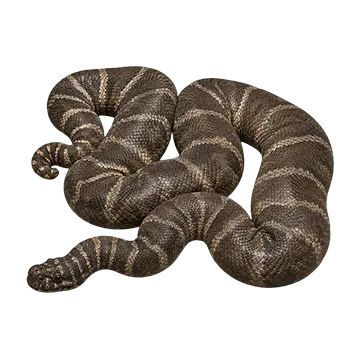

Understanding Enrichment for Aquatic Snakes

Enrichment for the Elephant Trunk Snake operates on fundamentally different principles than enrichment for terrestrial snake species. The concept of environmental enrichment in herpetology has expanded considerably over the past two decades, moving beyond the outdated assumption that snakes are simple, stimulus-indifferent organisms that require nothing more than correct temperature, a water dish, and periodic meals. Research in reptile cognition and behavioral ecology has demonstrated that snakes — including sedentary aquatic species like Acrochordus javanicus — exhibit measurable behavioral responses to environmental complexity, novel stimuli, and opportunities for species-typical behavior. An enriched captive environment does not make the snake "happier" in an anthropomorphic sense, but it does reduce stereotypic behaviors, improve feeding response, and support overall physiological health.

The challenge with enriching the Elephant Trunk Snake's environment lies in the species' behavioral profile. This is not an active, curious species that investigates novel objects or manipulates its surroundings in ways that are immediately obvious to the keeper. The Elephant Trunk Snake is a sit-and-wait ambush predator that conserves energy by remaining motionless for hours or days at a time, stirring only to breathe at the surface, reposition within the enclosure, or strike at passing prey. Enrichment strategies must therefore be evaluated through the lens of what constitutes meaningful stimulation for a slow, cryptic, nocturnal aquatic snake rather than what produces visible excitement or interaction.

The most effective enrichment for this species falls into three broad categories: environmental complexity, which provides the structural diversity the snake would encounter in its natural riverine and swamp habitats; foraging enrichment, which engages the snake's predatory instincts and chemosensory systems; and sensory enrichment, which introduces controlled variation in the snake's sensory experience through water flow, lighting changes, and olfactory cues. Each category works best when implemented subtly and rotated periodically so that the snake encounters novelty without being overwhelmed by constant disruption.

Overstimulation is a genuine risk with this species and should be guarded against as carefully as understimulation. The Elephant Trunk Snake's stress response is primarily expressed through prolonged hiding, appetite suppression, and increased respiratory rate, none of which are dramatic enough to alarm an inexperienced keeper but all of which erode health over time. Any enrichment item or strategy that causes the snake to retreat and refuse food for more than two consecutive feeding cycles should be removed or modified immediately. The goal is to gently expand the range of experiences available to the snake, not to force interaction with stimuli it finds threatening.

Environmental Complexity Features

The foundation of enrichment for a captive Elephant Trunk Snake is a structurally complex aquatic environment that provides multiple microhabitats within the enclosure. In the wild, Acrochordus javanicus inhabits rivers, swamps, mangrove channels, and flooded forests where the underwater landscape is a tangle of submerged roots, fallen branches, leaf litter, overhanging banks, and variable substrate. Replicating even a fraction of this complexity in captivity gives the snake choices — where to rest, where to hide, where to position itself for ambush hunting — and the act of making those choices constitutes cognitive engagement that a barren tank cannot provide.

Driftwood is the single most valuable enrichment feature for this species. Large pieces of waterlogged driftwood, particularly branching pieces that create tunnels, overhangs, and crevices, serve simultaneously as hiding spots, resting platforms, and textural surfaces against which the snake can anchor its body. Malaysian driftwood, mopani wood, and spiderwood are all commercially available in sizes suitable for large aquarium setups and sink readily once waterlogged. Arranging multiple driftwood pieces at different heights and angles creates a three-dimensional environment that the snake can navigate through rather than simply rest on, encouraging low-intensity movement and exploration during nocturnal active periods.

PVC pipe sections and fittings offer a utilitarian but highly effective form of structural enrichment. Schedule 40 PVC pipe in four-to-six-inch diameters provides snug, secure hiding tubes that Elephant Trunk Snakes use readily. T-fittings and elbow joints create branching tunnels that add navigational complexity. PVC is inert, easy to sanitize, inexpensive, and available at any hardware store. While it lacks the aesthetic appeal of natural driftwood, PVC can be combined with decorative elements or partially buried under substrate to integrate it visually into the enclosure design. For quarantine and hospital tanks where sanitation is the priority, PVC hides are the preferred choice because they can be removed, bleach-sterilized, and replaced without concern for porous surfaces harboring pathogens.

Rock formations — built from smooth, rounded river stones or aquarium-safe slate — add another layer of environmental complexity. Stacked rocks can create caves, overhangs, and ledges that the snake rests beneath or beside. It is critical that rock structures are stable and cannot collapse onto the snake, which may wedge itself into tight spaces between stones. Siliconing rocks together or using aquarium-safe epoxy to anchor stacks eliminates the risk of structural failure. Avoid limestone, which raises pH and hardness over time, and any rocks with sharp edges or abrasive surfaces that could damage the Elephant Trunk Snake's thin, granular skin.

Foraging and Feeding Enrichment

Foraging enrichment taps into the Elephant Trunk Snake's natural predatory behavior by varying the manner in which food is presented rather than simply dropping prey into the water at the same location and time for every feeding. In the wild, the Elephant Trunk Snake locates prey through a combination of mechanoreception — detecting the pressure waves created by swimming fish — and chemoreception, picking up dissolved chemical cues from fish skin, mucus, and metabolic byproducts in the water column. Captive feeding practices that engage these sensory systems more fully produce stronger feeding responses and provide cognitive stimulation that a passive, stationary prey item cannot.

Varying the feeding location within the enclosure is the simplest form of foraging enrichment. Rather than always offering prey in the same spot, the keeper can alternate between presenting fish at different points in the tank — near the filter outflow, beside a driftwood structure, in open water away from the snake's primary resting spot. This encourages the snake to move through its environment, orient toward the prey's scent trail, and actively locate the food item rather than simply waiting in a conditioned spot for delivery. The difference in behavioral engagement between a snake that must search for its meal and one that has food placed directly in front of its head is significant and observable even in a species as sedentary as the Elephant Trunk Snake.

Live feeder fish, when sourced safely from quarantined, parasite-free stock, provide the richest foraging experience because they engage every sensory modality the snake uses in predation. The movement of live fish creates vibrations detected by the snake's lateral sensory receptors, the chemical trail of a swimming fish stimulates chemoreceptors in the tongue and rostral sensory pits, and the act of pursuing, striking, coiling, and swallowing live prey exercises the full predatory behavioral sequence. For keepers who feed primarily frozen-thawed prey, incorporating occasional live feedings — perhaps once per month using quarantined feeder fish — adds a valuable enrichment dimension without creating excessive parasite risk.

Feeding puzzles adapted for an aquatic context represent an emerging area of enrichment practice for piscivorous snakes. A prey fish placed inside a perforated container with openings large enough for the snake to detect scent but too small for direct access forces the snake to manipulate the container or approach it from different angles before the keeper releases the prey. Similarly, placing prey within a loose arrangement of PVC fittings or between driftwood pieces so that the snake must navigate a physical obstacle to reach the food item adds a problem-solving component to the feeding event. These techniques should be used sparingly and monitored closely to ensure the snake successfully obtains the food, as repeated failure to access prey can discourage feeding rather than stimulate it.

Structural Enrichment Items

Beyond the permanent fixtures of driftwood, rocks, and PVC hides, a range of removable and rotatable structural enrichment items can be introduced to the Elephant Trunk Snake's enclosure on a periodic basis to maintain environmental novelty. The concept of item rotation — adding, removing, or rearranging furnishings on a schedule of every two to four weeks — is borrowed from zoo enrichment protocols and is effective even for species that do not overtly explore their surroundings. The snake registers changes in its environment through chemosensory and mechanosensory cues and adjusts its behavior accordingly, even if those adjustments are subtle shifts in resting position, activity timing, or the routes it takes through the enclosure.

Aquarium-safe ornamental structures such as resin caves, hollow logs, and tunnels designed for large freshwater fish can be repurposed as snake enrichment items. These products are manufactured from non-toxic, waterproof materials and come in a variety of shapes and sizes suitable for a five-to-eight-foot aquatic snake. When selecting commercial aquarium decorations, inspect them carefully for rough seams, sharp internal edges, or small openings where the snake could become trapped. The interior diameter of any tunnel or cave should be at least fifty percent wider than the snake's thickest body diameter to prevent entrapment, and items should be weighted or anchored to prevent the snake from pushing them into the glass walls of the enclosure.

Submerged platforms at varying heights provide the snake with choices about its vertical position in the water column, which is a form of environmental control that contributes to psychological well-being. A flat piece of slate or a broad driftwood platform positioned four to six inches above the substrate creates an elevated resting station, while a deeper cave at substrate level offers a contrasting option. Observations of captive Elephant Trunk Snakes with access to multiple resting elevations show that individuals use different positions at different times of day and in response to environmental changes such as light level and water temperature, indicating that the snake is actively selecting its microenvironment rather than passively occupying whatever space is available.

Natural materials collected from the outdoors — river stones, waterlogged branches, and aquatic plant cuttings — can be used as enrichment items if properly prepared. Wild-collected wood must be soaked, scrubbed, and either boiled or baked to eliminate parasites, fungi, and residual pesticides before introduction to the enclosure. Rocks should be scrubbed with a stiff brush and rinsed thoroughly. Any material collected from areas near agricultural land, roads, or industrial sites should be avoided entirely due to contamination risk. Once sanitized, natural materials offer textures, shapes, and chemical signatures that commercial products do not replicate, adding another dimension of sensory novelty to the snake's environment.

Sensory Stimulation Techniques

Sensory enrichment for the Elephant Trunk Snake targets the animal's primary sensory channels — chemoreception, mechanoreception, and limited visual processing — with controlled, low-intensity stimuli that encourage investigation without causing alarm. The most accessible form of sensory enrichment is olfactory, leveraging the snake's keen ability to detect dissolved chemical compounds in water. Introducing a small amount of water from a tank containing live fish — without the fish themselves — into the Elephant Trunk Snake's enclosure stimulates heightened alertness, tongue-flicking, and searching behavior as the snake investigates the unfamiliar scent. This technique is particularly useful for encouraging activity in otherwise sedentary individuals and can be timed to precede a feeding session by thirty to sixty minutes to prime the predatory response.

Water current manipulation provides mechanosensory enrichment that mimics the variable flow conditions the Elephant Trunk Snake encounters in its natural riverine habitat. Adjusting the output direction or flow rate of the enclosure's filter return, adding a small submersible powerhead on a timer, or temporarily redirecting water flow with a baffle plate creates changing current patterns that the snake perceives through its lateral body surfaces. Gentle, intermittent current encourages the snake to reposition itself relative to the flow, engaging postural muscles and providing low-level physical activity. Constant, strong current should be avoided, as the Elephant Trunk Snake is adapted to slow-moving or still water and will become exhausted if forced to swim against sustained flow.

Photoperiod variation serves as a form of visual and behavioral enrichment when implemented gradually. While the standard twelve-hour light-dark cycle should be maintained as a baseline, seasonal adjustments — gradually shortening or lengthening the light phase by thirty to sixty minutes across several weeks — simulate the natural seasonal variation in day length that the snake would experience in tropical Southeast Asia. These shifts are subtle but can influence activity patterns, feeding enthusiasm, and even reproductive cycling in breeding animals. Abrupt changes in lighting, sudden exposure to bright light, and the use of colored or flashing lights are not appropriate enrichment strategies and cause stress rather than stimulation.

Tactile enrichment is provided primarily through substrate and surface texture variety. The Elephant Trunk Snake's body is covered in small, rough, file-like scales that are adapted for gripping slippery fish and navigating through submerged vegetation. Providing a range of surface textures within the enclosure — smooth river stones alongside rough driftwood bark, soft aquatic plant leaves against rigid PVC surfaces — gives the snake a variety of tactile experiences as it moves through its environment. Some keepers introduce bundles of aquatic-safe synthetic plants or strands of aquarium-grade silicone tubing draped over driftwood to create curtain-like barriers that the snake can push through, adding a dynamic tactile element to enclosure navigation.

Safety Considerations for Enrichment

Every enrichment item and strategy introduced to an Elephant Trunk Snake enclosure must be evaluated through a safety lens specific to this species' unique vulnerabilities. The Elephant Trunk Snake lacks the hard, overlapping scales that protect most snake species from abrasion, puncture, and chemical exposure. Its skin is thin, loose, and covered with small granular tubercles rather than smooth scutes, making it far more susceptible to mechanical injury from rough surfaces, sharp edges, and entrapment in tight spaces. Any item with jagged seams, exposed wire, crumbling material, or openings that could constrict around the snake's body as it passes through must be excluded without exception.

Material safety in an aquatic environment extends beyond physical hazards to chemical compatibility. Every object placed in the Elephant Trunk Snake's water becomes a potential source of dissolved compounds that the snake absorbs across its permeable skin and ingests incidentally while feeding. Painted or varnished decorations, pressure-treated wood, galvanized metals, and plastics not rated for aquarium use can leach toxins including zinc, copper, lead, volatile organic compounds, and plasticizers into the water at concentrations that accumulate over time. Only materials explicitly rated as aquarium-safe or known to be inert in freshwater environments should be used. When in doubt about a material's safety, soaking it in a bucket of clean water for seventy-two hours and testing the water for pH changes, discoloration, or unusual odor provides a basic screening — though it does not detect all potential leachates.

Entrapment is a serious risk with any hollow enrichment item. The Elephant Trunk Snake's body is cylindrical and muscular but lacks the skeletal flexibility at the jaw and skull that allows many terrestrial snakes to back out of tight spaces. A snake that has pushed through a narrow opening in a decoration and then been unable to reverse — particularly if the body swells slightly after a recent meal — can become trapped, leading to tissue constriction, respiratory compromise, and potentially death if the keeper does not discover the situation promptly. Testing every hollow item by passing an object of equal or greater diameter than the snake's thickest body section through all openings confirms that the snake can transit safely in both directions.

Enrichment rotation must be managed carefully to avoid chronic stress from excessive environmental disruption. Rearranging the entire enclosure layout every week, introducing multiple novel items simultaneously, or removing all familiar hiding spots at once can trigger a prolonged stress response characterized by appetite suppression, increased hiding, and elevated cortisol levels. A conservative rotation schedule — changing one or two non-essential items every two to four weeks while leaving primary hiding spots and resting platforms in place — provides novelty without destabilizing the snake's sense of environmental security. Monitoring the snake's behavior in the days following any change helps the keeper calibrate the pace and magnitude of enrichment rotation to the individual animal's tolerance.

Always consult a qualified professional before making any health-related decisions. This content is provided for informational reference only and should not replace professional guidance specific to your animal.