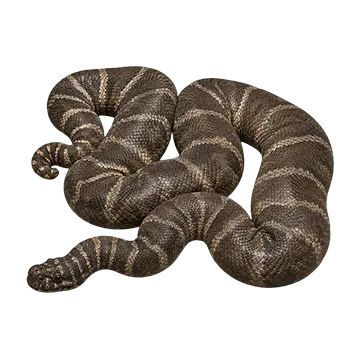

The Elephant Trunk Snake is an obligate piscivore, meaning its entire diet in both the wild and captivity consists of fish. This dietary specialization sets Acrochordus javanicus apart from the vast majority of commonly kept snake species, which feed on rodents or other mammals. In the rivers, estuaries, and coastal waters of Southeast Asia where it occurs naturally, the Elephant Trunk Snake hunts slow-moving fish in murky, warm water, using its rough, granular skin to grip slippery prey with remarkable efficiency. Captive feeding must replicate this fish-based diet faithfully, as the snake's digestive physiology is adapted exclusively to processing piscine protein and lipids.
The caloric and macronutrient requirements of the Elephant Trunk Snake are modest relative to its size. This is a slow-metabolizing, largely sedentary species that spends the majority of its time resting on the bottom of its aquatic enclosure or draped among submerged branches. Unlike active terrestrial constrictors that burn considerable energy during hunting and locomotion, the Elephant Trunk Snake conserves energy between infrequent ambush strikes. Adults in good body condition can be fed once every seven to fourteen days depending on prey size and water temperature, while juveniles require more frequent meals to support growth — typically every four to seven days.
Fat content in prey fish is a critical consideration that many first-time keepers overlook. The Elephant Trunk Snake is prone to hepatic lipidosis when fed excessively fatty fish species over prolonged periods. Fish such as mackerel, herring, and sardines carry high lipid loads that, while acceptable as occasional variety items, should not form the dietary backbone. Leaner species — tilapia, perch, sunfish, silversides, and various freshwater minnow species — provide the protein and micronutrients the snake requires without overloading its liver with triglycerides. Balancing lean staple fish with occasional fattier offerings mimics the nutritional diversity the snake would encounter in its natural range.
Hydration is inherently managed by the species' fully aquatic lifestyle, but water quality directly affects appetite and digestive health. An Elephant Trunk Snake living in poorly maintained water with elevated ammonia or nitrite levels will refuse food, and if it does eat, digestion may be compromised by the irritation these compounds cause to the mucous membranes of the mouth and digestive tract. Clean, warm, dechlorinated water is as much a part of the nutritional equation as the food itself, because without it, even perfectly selected prey items will not sustain the animal's health.