
Enclosure Types and Sizing

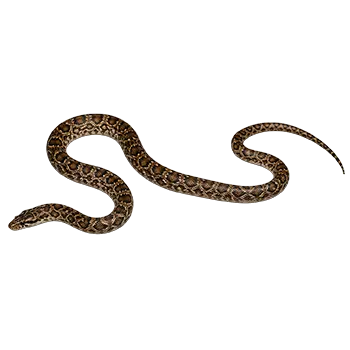
Selecting the right enclosure for an Eastern Small-Blotched Python begins with understanding the species' natural behavior and spatial needs. Antaresia maculosa is a semi-arboreal python that inhabits rocky outcrops, cave entrances, and woodland margins across eastern and northern Australia, frequently occupying crevices and elevated perches within its microhabitat. In captivity, the enclosure should provide enough floor space for comfortable movement, sufficient vertical dimension for climbing, and tight-fitting security to prevent escape. This species is a notorious escape artist, capable of exploiting gaps as small as a few millimeters, so enclosure integrity is not optional — it is a fundamental design requirement.

For hatchlings and juveniles under twelve months of age, a small enclosure measuring approximately twelve inches long by eight inches wide by six inches tall is appropriate. Plastic tub systems with ventilation holes or commercially produced hatchling racks are widely used by breeders and work well for young Eastern Small-Blotched Pythons. A large enclosure can actually stress a small snake by making it feel exposed, leading to hiding behavior, feeding refusal, and chronic stress that suppresses immune function. Starting small and upgrading as the snake grows is the standard and most effective approach.

Adult Eastern Small-Blotched Pythons require an enclosure with a minimum footprint of thirty-six inches long by eighteen inches wide by eighteen inches tall. This size provides adequate room for a proper thermal gradient from warm end to cool end, space for multiple hides, a water dish, and climbing opportunities. Front-opening enclosures are strongly preferred over top-opening designs because approaching a snake from above triggers a defensive response rooted in the animal's instinct to avoid aerial predators. Front-opening glass or PVC enclosures allow the keeper to interact with the snake at its level, reducing stress during routine maintenance and feeding.

PVC and molded plastic enclosures have become the preferred choice among experienced keepers for several practical reasons. They retain heat more efficiently than glass terrariums, maintain humidity more consistently, are lighter in weight, and are easier to clean and disinfect. Glass enclosures remain a viable option and offer superior visibility, but they require more careful management of heat and humidity because glass dissipates thermal energy rapidly and does not hold moisture well. Regardless of material, the enclosure must have a secure locking mechanism — sliding glass doors with pin locks or front-opening PVC panels with latch systems — to prevent the snake from pushing its way out.

Substrate Options

Substrate selection influences humidity retention, ease of cleaning, bacterial management, and the snake's overall comfort within its enclosure. The Eastern Small-Blotched Python does not have extreme substrate requirements, but choosing an appropriate material and maintaining it properly contributes meaningfully to long-term health. The wrong substrate can harbor bacteria, cause respiratory irritation, or create impaction risks if ingested during feeding, so this decision deserves careful consideration.

Aspen shavings are one of the most popular and practical substrate choices for this species. Aspen is absorbent, relatively dust-free when sourced from a quality manufacturer, easy to spot-clean, and affordable in bulk quantities. It does not hold excessive moisture, which suits the Eastern Small-Blotched Python's preference for moderate humidity levels. The main drawback of aspen is that it molds quickly when wet, so any areas soiled by water spills or waste must be removed and replaced promptly rather than allowed to sit. A full substrate change every four to six weeks, combined with spot-cleaning as needed, keeps the enclosure hygienic.

Coconut husk fiber, often sold as coconut coir or compressed coconut brick, is another excellent option. It holds humidity more effectively than aspen, which can be advantageous during shedding periods when the snake benefits from a slight increase in ambient moisture. Coconut fiber is also resistant to mold compared to wood-based substrates and has a natural appearance that enhances the enclosure's visual appeal. The finer grades of coconut fiber can be dusty when completely dry, so maintaining a slight moisture content throughout the substrate bed is advisable. Mixing coconut fiber with orchid bark or cypress mulch creates a blended substrate that balances humidity retention with drainage.

Substrates to avoid include cedar and pine shavings, which contain aromatic oils that are toxic to reptiles and cause respiratory damage over time. Sand is inappropriate because it offers no humidity retention, does not support natural burrowing behavior for this species, and poses a significant impaction risk if swallowed. Newspaper and paper towels are functional for quarantine enclosures or hospital setups where easy monitoring of waste is a priority, but they provide no environmental enrichment and do not allow the snake to engage in the substrate-exploring behavior that contributes to psychological wellbeing. For long-term housing, a naturalistic substrate that the snake can move through and burrow lightly into is strongly preferred.

Heating and Temperature Gradient

Establishing a proper thermal gradient is the single most critical aspect of housing any ectothermic reptile, and the Eastern Small-Blotched Python is no exception. As a cold-blooded animal, this python depends entirely on environmental temperature to regulate its metabolism, digest food, maintain immune function, and carry out every physiological process that warm-blooded animals manage internally. An enclosure without a well-designed temperature gradient forces the snake into a narrow thermal range that may be adequate for some functions and inadequate for others, leading to chronic stress, poor digestion, and suppressed immunity.

The warm end of the enclosure should maintain a basking surface temperature of approximately eighty-eight to ninety-two degrees Fahrenheit, while the cool end should sit between seventy-five and eighty degrees Fahrenheit. This gradient allows the snake to thermoregulate by moving between zones as its physiological needs dictate. After consuming a meal, the snake will gravitate toward the warm end to accelerate digestion. During rest periods or when its metabolic demands are low, it will retreat to the cooler end. A nighttime temperature drop of five to eight degrees across the enclosure is natural and beneficial, mimicking the diurnal temperature fluctuations the species experiences in its native Australian habitat.

Under-tank heat mats connected to a proportional thermostat are the most commonly used primary heat source for this species. The heat mat should cover approximately one-third of the enclosure floor on the warm end, and it must always be regulated by a thermostat to prevent overheating. An unregulated heat mat can reach surface temperatures well above one hundred degrees Fahrenheit, which is sufficient to cause thermal burns that may not be immediately apparent but develop into serious wounds over days. Radiant heat panels mounted inside the enclosure ceiling are an alternative that heats from above, more closely mimicking solar radiation, and works particularly well in taller enclosures where the snake uses elevated perches.

Ceramic heat emitters are useful supplemental heat sources, especially for maintaining ambient air temperature in enclosures located in cooler rooms. They produce heat without light, making them suitable for nighttime use without disrupting the snake's photoperiod. Heat lamps with incandescent or halogen bulbs provide both heat and visible light and can serve as the primary daytime heat source in glass enclosures where overhead heating is practical. Regardless of the heat source chosen, the keeper must verify temperatures at the substrate surface on both the warm and cool ends using a reliable digital thermometer or infrared temperature gun, checking daily until the gradient is stable and then weekly as part of routine maintenance.

Humidity Management

Humidity management for the Eastern Small-Blotched Python requires a moderate approach that reflects the species' natural habitat. Antaresia maculosa occupies a range of environments across eastern Australia, from tropical woodland margins in Queensland to semi-arid rocky regions further inland. Captive humidity levels between fifty and sixty percent are appropriate for day-to-day maintenance, with temporary increases to sixty-five or seventy percent during active shedding periods to support clean, one-piece sheds. Maintaining humidity within this range prevents both the respiratory infections associated with chronically damp conditions and the dehydration and dysecdysis that result from excessively dry environments.

Substrate choice is the first and most impactful tool for humidity control. Coconut fiber and cypress mulch naturally hold moisture and release it gradually into the enclosure atmosphere, creating a stable humidity baseline with minimal intervention. Aspen shavings, by contrast, absorb moisture and tend to dry out the air, which can be advantageous in humid climates where ambient room humidity already contributes significant moisture to the enclosure. Layering the substrate to a depth of two to three inches allows the lower layers to retain moisture while the surface dries slightly, creating a humidity gradient within the substrate bed itself that benefits the snake during rest periods when it burrows or presses against the substrate.

Ventilation design plays a significant role in humidity stability. Enclosures with excessive screen ventilation, such as screen-topped glass terrariums, lose moisture rapidly and can be difficult to maintain at adequate humidity levels without constant misting. PVC enclosures with controlled ventilation panels strike the best balance between fresh air circulation and moisture retention. If using a glass enclosure with a full screen top, covering sixty to seventy percent of the screen with a solid panel such as aluminum foil, acrylic sheeting, or a commercially produced screen cover reduces evaporative loss while maintaining sufficient airflow to prevent stagnation.

A hygrometer placed at the cool end of the enclosure provides the most representative humidity reading, as the warm end will naturally read lower due to the drying effect of the heat source. Digital hygrometers with remote probes offer the most accurate and convenient monitoring. During shedding periods, when the snake's eyes cloud over and its skin takes on a dull, milky appearance, a temporary humidity boost can be achieved by lightly misting the enclosure walls, adding a damp sphagnum moss hide, or placing a larger water dish near the warm end to increase evaporation. These measures should be temporary, returning to baseline conditions once the shed is complete.

Lighting Considerations

Lighting for the Eastern Small-Blotched Python serves primarily to establish a consistent photoperiod rather than to provide the UVB radiation that is critical for many lizard species. Antaresia maculosa is a crepuscular to nocturnal hunter that is most active during twilight hours and at night, spending daylight hours concealed in rock crevices, tree hollows, or dense vegetation. A regular light-dark cycle of twelve hours on and twelve hours off during most of the year, with slight seasonal adjustments if the keeper intends to breed, supports the snake's circadian rhythm and promotes natural behavioral patterns including predictable feeding responses and healthy sleep cycles.

Ambient room lighting is often sufficient to establish a photoperiod for enclosures positioned in rooms that receive natural daylight. If the enclosure is located in a room without windows or in a dimly lit area such as a basement, a low-wattage LED light on a timer provides an adequate day-night cycle. The light does not need to be intense, and in fact overly bright lighting can stress this naturally secretive species. A diffused, low-lumen LED strip mounted above or along the front of the enclosure creates a gentle daylight simulation without the harsh intensity of direct spotlighting.

The role of UVB lighting for pythons remains a topic of ongoing discussion in herpetological circles. The traditional position has been that snakes derive sufficient vitamin D3 from whole-prey diets and do not require UVB exposure for calcium metabolism. More recent research suggests that low-level UVB exposure may offer marginal benefits to immune function, activity levels, and overall wellbeing in some snake species, even when dietary D3 is adequate. If a keeper chooses to provide UVB, a low-output tube rated at two to five percent UVB, positioned outside the enclosure or behind a protective guard, is appropriate. The snake must always have access to shaded retreats where it can escape UVB exposure entirely, as forced or inescapable UV exposure can cause photokeratoconjunctivitis and skin damage.

Avoid placing the enclosure in direct sunlight near a window. While natural light in a room is beneficial for establishing photoperiod, direct solar radiation through glass can cause rapid, dangerous temperature spikes inside the enclosure. A glass or PVC enclosure positioned in a sunny window can reach lethal temperatures within minutes on a warm day, and the snake may not be able to escape the heat if its retreat hides are also heated by the sun. Enclosures should be placed against interior walls or in positions where they receive indirect ambient light without exposure to direct sunbeams at any time of day.

Interior Layout and Furnishings

The interior arrangement of the enclosure has a direct impact on the Eastern Small-Blotched Python's sense of security, its ability to thermoregulate effectively, and its overall quality of life in captivity. A well-furnished enclosure does not need to replicate a wild habitat in exact detail, but it should provide the essential functional elements that allow the snake to express natural behaviors: hiding, climbing, resting at different thermal zones, and accessing water comfortably. An empty enclosure with nothing but substrate and a water dish is a stressful environment for any snake, and the behavioral problems that result — including feeding refusal, excessive hiding, and defensive aggression during handling — are often traceable to inadequate interior design.

Hides are the most important furnishing in any snake enclosure, and the Eastern Small-Blotched Python should have a minimum of two: one on the warm end and one on the cool end. This allows the snake to feel secure at either end of the thermal gradient rather than being forced to choose between safety and thermoregulation. Each hide should be snug-fitting, with an opening just large enough for the snake to enter and interior dimensions that allow the snake to coil comfortably with its body in contact with the walls. A hide that is too large defeats its purpose because the snake does not feel enclosed and protected. Commercial reptile hides, half-logs, cork bark flats, and inverted ceramic plant saucers with entry holes cut into the rim all serve this function effectively.

Climbing opportunities are valuable for this semi-arboreal species. In the wild, Eastern Small-Blotched Pythons frequently occupy elevated positions on rock faces, in tree hollows, and along branches overhanging waterways. Sturdy branches, cork bark tubes mounted at angles, and commercially produced ledges or platforms secured to the enclosure walls encourage climbing behavior and add vertical usable space to the habitat. Any climbing furniture must be securely fixed so that it cannot shift or collapse under the snake's weight, and branches collected from outdoors should be sanitized by baking in an oven at two hundred degrees Fahrenheit for at least thirty minutes to eliminate parasites, mold spores, and bacteria.

The water dish should be positioned on the cool end of the enclosure to slow evaporation and reduce the contribution of water evaporation to warm-end humidity, which can create an overly muggy microclimate around the basking zone. The dish should be heavy enough or low-profile enough that the snake cannot tip it over during nocturnal activity, as a spilled water dish saturates the substrate and can create conditions favorable to bacterial and fungal growth. Cleaning and refilling the water dish every two to three days, or immediately if the snake defecates in it, is a basic but essential component of enclosure maintenance that directly affects the animal's health.

Always consult a qualified professional before making any health-related decisions. This content is provided for informational reference only and should not replace professional guidance specific to your animal.