Eastern Small-Blotched Python Species Guide - Furry Critter Network

Eastern Small-Blotched Python

Quick Facts

🔬 Scientific Name
Antaresia maculosa
⚕️ Venom Status
Non-venomous
📊 Care Level
Beginner
😊 Temperament
Docile and calm
📏 Adult Size
3-4 feet
⏱️ Lifespan
15-20 years
🌡️ Temperature Range
75-80°F ambient with basking spot 88-92°F
💧 Humidity Range
40-60%
🍽️ Diet Type
Carnivore - Small rodent feeder
🌍 Origin
Northeastern Australia (Queensland, Northern Territory)
📐 Size
Small

Eastern Small-Blotched Python - Names & Recognition

The Spotted Python (Antaresia maculosa) derives its common name from the irregular brown or reddish-brown blotches and spots that mark its tan to light brown body from head to tail. This descriptive name perfectly captures the species' most distinctive visual characteristic and has remained the universally recognized designation throughout the reptile keeping community. The spotted pattern provides effective camouflage against rocky outcrops, leaf litter, and tree bark in their native Australian habitat.

Alternatively known as the Eastern Small-Blotched Python, this designation distinguishes it from closely related Antaresia species and references both its geographic distribution in eastern Australia and its characteristic blotched pattern. This name appears more frequently in Australian scientific literature and field guides, though international hobbyists predominantly use the simpler "Spotted Python" designation. Some older literature references Eastern Children's Python, though this name has largely fallen from common usage as taxonomy refined our understanding of Antaresia relationships.

The scientific name Antaresia maculosa places this species within the Antaresia genus, comprising Australia's smallest python species including the Children's Python (A. childreni), Pygmy Python (A. perthensis), and Stimson's Python (A. stimsoni). "Maculosa" derives from Latin meaning "spotted" or "blotched," directly referencing the species' distinctive pattern. Genetic analysis confirms Antaresia as a distinct lineage of Australian pythons, more closely related to other Australasian pythons in the Morelia complex than to African or Asian python genera despite superficial similarities in size and ecology. The taxonomic placement has remained relatively stable, though ongoing genetic research continues refining relationships within the Antaresia genus and occasionally reveals cryptic species or subspecies previously unrecognized in the wild.

Eastern Small-Blotched Python Physical Description

Spotted Pythons are small, compact snakes typically reaching 3-4 feet in length at maturity, with females averaging slightly larger than males. Exceptional specimens occasionally approach 5 feet, though this remains uncommon. Their build is relatively stocky compared to some colubrid species of similar length, giving them a robust, muscular appearance without the heavy bulk of larger python species. This proportionate build creates an appealing aesthetic that resembles miniature versions of their larger python cousins.

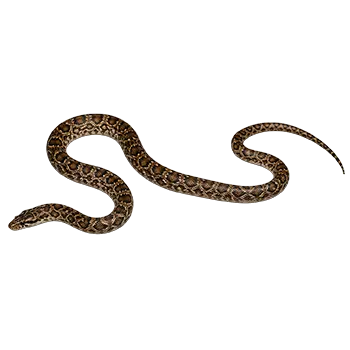
The coloration consists of a tan, light brown, or grayish-brown background marked with irregular dark brown to reddish-brown blotches running along the spine from head to tail. These dorsal blotches vary considerably in size, shape, and darkness between individuals, with some specimens displaying prominent bold markings while others show more subdued patterns. Smaller spots and markings appear along the sides, creating an overall spotted or mottled appearance. The ventral scales are typically cream, white, or pale yellow with minimal markings.

The head is distinctly triangular when viewed from above, proportionally larger than the slender neck, creating the typical python head shape. Moderate-sized eyes with vertical pupils provide good vision for nocturnal hunting. Small heat-sensing pits line the labial scales, though they're less prominent than those of larger python species, still providing infrared detection capability for locating warm-blooded prey in darkness. The overall appearance is alert and engaging without the intimidating presence of giant pythons.

Smooth, glossy scales create a pleasant tactile experience when handling, lacking the keeled texture present in many snake species. The scales are arranged in 35-45 rows at midbody, relatively few compared to larger pythons, contributing to their sleek appearance. The tail comprises approximately one-sixth of total body length, appearing proportionate and tapering gradually to a fine point. While not truly prehensile like Green Tree Python tails, young Spotted Pythons utilize their tails for balance when climbing.

Color variation exists within the species, with some individuals displaying warmer reddish-brown tones while others appear cooler gray-brown or tan. Some specimens show particularly bold, high-contrast patterns while others display more subdued coloration. The captive breeding industry has developed several color and pattern morphs including albino, caramel, and reduced-pattern variants, though the morph market for Spotted Pythons remains modest compared to Ball Pythons or Carpet Pythons. Most keepers appreciate the natural wild-type coloration that showcases the species' inherent beauty.

Juvenile Spotted Pythons emerge from eggs displaying adult coloration patterns, lacking the dramatic ontogenetic color changes seen in Green Tree Pythons or some other species. Hatchlings measure approximately 8-12 inches in length, appearing as perfectly-formed miniature adults. Their small size and gentle temperament from hatching make them particularly appealing to beginners seeking manageable first snakes that remain handleable throughout their entire lifespan.

Handling Tolerance
Spotted Pythons are exceptionally docile and tolerate regular handling with remarkable calm. They rarely display defensive behavior even when startled, making them ideal for beginners and families. Their small size means they're easy to handle confidently, and they quickly become accustomed to human interaction. Most individuals remain relaxed during handling sessions, slowly exploring their handler without nervousness or aggression throughout their lives.
Temperament
These diminutive pythons possess gentle, calm temperaments with virtually no aggression or defensiveness. They're curious and alert without being nervous, often emerging to investigate activity around their enclosures. Hatchlings may be slightly skittish initially but calm quickly with minimal handling. Adults demonstrate consistent, predictable behavior that makes them trustworthy companions for keepers of all experience levels seeking handleable pet snakes.
Activity Level
Spotted Pythons display moderate activity levels, particularly during evening and nighttime hours when they explore enclosures, investigate hides, and hunt for prey. They're more active than Ball Pythons but less frenetic than some colubrid species. Juveniles are semi-arboreal, enjoying climbing opportunities, while adults become primarily terrestrial. They alternate between periods of active exploration and extended rest, providing entertainment without constant motion.
Space Requirements
Spotted Pythons have minimal space requirements, thriving in 20-gallon long enclosures or equivalent dimensions throughout their lives. Their small adult size means they're perfect for apartment dwellers, college students, or anyone with limited space. Unlike larger pythons that eventually require massive enclosures, Spotted Pythons remain comfortably housed in modest setups that fit on standard shelving or furniture throughout their 15-20 year lifespan.
Shedding Frequency
Adult Spotted Pythons shed approximately every 4-6 weeks when healthy and actively feeding, with juveniles shedding more frequently during rapid growth periods. Their small size means shedding requires less humidity support than larger pythons, though a humid hide remains beneficial during shed cycles. Most individuals experience clean, complete sheds without retained eye caps when basic humidity requirements are met through adequate water bowls and occasional substrate misting.
Heating Requirements
Spotted Pythons have modest heating requirements with ambient temperatures of 75-80°F and basking areas reaching 88-92°F. They're relatively tolerant of slight temperature fluctuations compared to strictly tropical species, reflecting their origin in Australia's subtropical regions with seasonal temperature variations. Small under-tank heaters or low-wattage heat lamps controlled by basic thermostats provide adequate heating for their compact enclosures without expensive equipment or high electricity costs.
Humidity Sensitivity
Spotted Pythons tolerate lower humidity levels than tropical python species, thriving at 40-60% humidity that's easily maintained in most household environments. They're relatively forgiving of humidity fluctuations, though they benefit from increased moisture during shedding periods. A water bowl and occasional substrate misting usually provides sufficient humidity without elaborate equipment, making them easier to maintain than humidity-sensitive species like Green Tree Pythons or Rainbow Boas.
Feeding Difficulty
Spotted Pythons are typically excellent, enthusiastic feeders with strong prey drives and minimal feeding hesitation. They readily accept frozen-thawed mice throughout their lives, striking eagerly and rarely refusing meals. Their small size means prey procurement is simple and inexpensive, as they consume mouse pups to adult mice rather than requiring rats or larger prey. Even picky eaters among the species usually respond to basic feeding protocol adjustments without elaborate interventions.

Temperament

Spotted Pythons possess remarkably calm, gentle temperaments that make them among the most beginner-friendly python species available in the pet trade. They display virtually no defensive aggression, rarely biting even when startled or mishandled. Their defensive response typically involves curling into a loose ball or attempting to retreat rather than striking, making them safe and confidence-building for novice snake handlers. Even hatchlings, while occasionally skittish, rarely bite and calm quickly with minimal gentle handling.

When acclimated to handling, Spotted Pythons become remarkably relaxed, slowly exploring their handlers while tongue-flicking to gather environmental information. They move deliberately rather than frantically, making them easy to handle even for children under appropriate supervision. Their small size means they never become overwhelming or difficult to control, remaining manageable throughout their entire 15-20 year lifespan. This consistent temperament across age groups makes them predictable, trustworthy companions for keepers seeking interactive pet snakes.

These pythons are primarily nocturnal, becoming active during evening and nighttime hours to hunt, explore, and thermoregulate. During daylight, they remain hidden in secure retreats, though they're less rigidly nocturnal than some species and may emerge during late afternoon or early evening. They're curious snakes that investigate cage changes, new additions, or activity around their enclosures, often peering from hides or elevated positions rather than remaining completely hidden. This balance between shy and bold creates engaging pets that display natural behaviors without excessive skittishness.

Feeding responses in Spotted Pythons are typically enthusiastic without being dangerously aggressive. They strike prey quickly and accurately when hungry, though they remain distinguishable from handlers and rarely display misdirected feeding responses. Most individuals feed readily on schedule without extended fasting periods that characterize some python species. Their reliable feeding behavior makes them less stressful to maintain compared to finicky species that refuse food regularly.

Juvenile Spotted Pythons display semi-arboreal tendencies, spending considerable time climbing branches, investigating vertical spaces, and utilizing three-dimensional environments. This climbing behavior provides entertainment and exercise, though it diminishes as pythons mature and gain weight. Adults become primarily terrestrial, preferring ground-level movement and sheltering in terrestrial hides rather than elevated positions. They're relatively active for pythons, regularly emerging to explore enclosures during nighttime hours rather than remaining motionless for extended periods.

Spotted Pythons are solitary animals showing no social behaviors outside brief breeding encounters. They should always be housed individually, as cohabitation causes stress, competition for resources, and potential aggression. Their communication occurs through chemical signaling detected by tongue-flicking and Jacobson's organ analysis, leaving scent trails containing information about sex, reproductive status, and territorial boundaries. They're relatively quiet snakes, rarely hissing even when defensive, though they may produce soft hissing when particularly stressed.

While small, Spotted Pythons retain python cunning and can exploit enclosure weaknesses if sufficiently motivated. Secure lids with clips or locks prevent escapes, as these pythons can push open loose-fitting tops or squeeze through surprisingly small gaps. Their relatively modest escape artistry compared to some species makes them less challenging to contain, though proper security remains essential for preventing household escapes that create stress for both python and keeper.

Enclosure & Husbandry

Spotted Pythons thrive in relatively compact enclosures throughout their lives, making them ideal for space-conscious keepers. Hatchlings and juveniles do well in 10-gallon aquariums or equivalent tubs measuring approximately 20x10x12 inches, while adults require minimum dimensions of 30x12x12 inches, typically provided by 20-gallon long aquariums. Larger enclosures are perfectly acceptable and allow more elaborate environmental enrichment, though these small pythons appreciate secure, appropriately-sized spaces over vast expanses that may cause stress.

Glass aquariums, plastic tubs, and purpose-built PVC or melamine enclosures all work successfully for Spotted Pythons. Glass aquariums offer excellent visibility and attractive display options, though they lose heat rapidly and require secure screen tops with clips or locks to prevent escapes. Plastic tubs provide superior heat retention and work well for breeders maintaining multiple specimens, though they sacrifice visibility. PVC enclosures from manufacturers like Animal Plastics or Freedom Breeder offer excellent compromise between visibility, heat retention, and professional appearance.

Substrate selection balances maintenance convenience with humidity control and aesthetic preferences. Aspen shavings work excellently for Spotted Pythons, providing absorbency, natural appearance, and easy spot-cleaning. Cypress mulch, coconut husk, and orchid bark offer similar benefits while retaining slightly more moisture. Newspaper and paper towels provide economical, easily-replaced options prioritizing cleanliness over aesthetics. Avoid cedar and pine substrates, as aromatic oils from these woods cause respiratory irritation and potential toxicity in reptiles.

Heating compact enclosures is straightforward and inexpensive. Under-tank heating pads sized for 10-20 gallon aquariums, controlled by basic thermostats, provide adequate warmth for Spotted Pythons. The heat pad should cover approximately one-third of the enclosure floor, creating a thermal gradient with warm side temperatures of 88-92°F and cool side temperatures of 75-80°F. ALWAYS use thermostats with heating equipment to prevent dangerous temperature spikes that can cause severe thermal burns or death. Monitor temperatures using digital thermometers or temperature guns rather than unreliable adhesive dial thermometers.

Low-wattage heat lamps (25-50 watts) provide alternative heating that allows natural basking behavior, though they may dry enclosures excessively and create overly bright conditions stressful to nocturnal pythons. If using heat lamps, provide adequate hides where pythons can retreat from light while remaining in warm zones. Ceramic heat emitters offer heat without light, matching nocturnal activity patterns while maintaining necessary temperatures. Regardless of heating method, thermostat use remains mandatory for safe reptile keeping.

Hide boxes represent essential enclosure components, with minimum recommendations calling for two hides: one on the warm side and one on the cool side of the thermal gradient. Spotted Pythons experience significant stress without adequate hiding opportunities, often refusing food and displaying defensive behaviors when hides are insufficient. Commercial reptile hides, inverted plastic containers with entrance holes, cork bark, or half logs all provide acceptable shelter. Hides should be appropriately sized, allowing pythons to curl inside with body contact on multiple sides rather than remaining exposed in oversized shelters.

A humid hide filled with moistened sphagnum moss provides localized high-humidity retreat essential during shedding periods. This additional hide, positioned on the warm side, allows pythons to access moisture when needed without maintaining excessively high humidity throughout the entire enclosure. Most Spotted Pythons utilize humid hides enthusiastically during shed cycles, emerging with clean, complete sheds without retained eye caps or tail tips.

Water should be provided in sturdy ceramic or plastic bowls large enough for occasional soaking yet shallow enough to prevent drowning risk for small specimens. Spotted Pythons drink regularly and may soak preceding shed cycles or during warm weather. Fresh water should be provided at least twice weekly, with immediate changing when soiled. The water bowl contributes to ambient humidity, helping maintain appropriate moisture levels without elaborate equipment.

Maintaining 40-60% humidity satisfies Spotted Python requirements, easily achieved in most household environments through adequate water bowls and occasional substrate misting. Monitor humidity using accurate hygrometers, though these pythons tolerate humidity fluctuations better than tropical species. During shedding cycles, increase humidity to 60-70% through more frequent misting or larger water bowls to facilitate complete, healthy sheds. Proper ventilation prevents stagnant air while maintaining adequate moisture, requiring screen tops or appropriate ventilation holes in tub or PVC enclosures.

Feeding & Nutrition

Spotted Pythons are obligate carnivores feeding exclusively on appropriately-sized whole prey animals. Their small adult size means they consume mice throughout their entire lives, never requiring rats or larger prey that increase feeding costs and logistical challenges. Wild populations feed on small mammals, birds, lizards, and occasionally amphibians, using their heat-sensing pits and excellent vision to locate prey in darkness. Captive specimens readily accept domestically-bred frozen-thawed mice without hesitation.

Feeding frequency varies with age and growth rate. Hatchlings require pinky or fuzzy mice every 5-7 days to support rapid growth during their first year. Juveniles transition to weekly feeding schedules with appropriately-sized prey as they mature. Adults thrive on feeding schedules ranging from every 7-10 days depending on prey size, body condition, and individual metabolism. Conservative feeding prevents obesity that causes shortened lifespan and health complications, though Spotted Pythons are less prone to obesity than sedentary species like Ball Pythons due to their slightly higher activity levels.

Prey size selection follows guidelines suggesting items approximately equal to the snake's body diameter at its widest point, though Spotted Pythons can safely consume slightly larger meals. Hatchlings begin with pinky mice, progressing through fuzzy, hopper, weaned, and eventually adult mice as they grow. Most adults feed comfortably on adult mice weighing 25-30 grams, occasionally consuming small to medium rats though this remains unnecessary. Monitor body condition carefully, adjusting prey size and frequency to maintain lean, muscular build without excessive fat deposits visible as rounded body cross-section or thick tail base.

Frozen-thawed prey represents the safest and most practical feeding option, eliminating dangers from defensive injuries caused by live rodents while ensuring humane prey death. Frozen mice are readily available from pet stores, online suppliers, or can be purchased in bulk and stored long-term. Completely thaw prey to room temperature or slightly warmer before presentation, either through refrigerator thawing followed by warm water immersion or direct warm water thawing for immediate feeding. Never microwave prey, as this creates dangerous hot spots that can burn pythons' mouths and digestive tracts.

Present thawed prey using feeding tongs maintaining safe distance between hands and striking pythons, though Spotted Pythons rarely display misdirected feeding aggression toward handlers. Many individuals feed readily when prey is placed directly in their enclosure near their hide, while others prefer interactive presentations where prey is wiggled enticingly in front of them. Experiment to determine individual preferences, as feeding responses vary between pythons.

Spotted Pythons are typically excellent, enthusiastic feeders with strong prey drives and minimal refusal behaviors. They rarely experience extended fasting periods that characterize finicky species, making them less stressful to maintain. Occasional meal refusals occur during shedding cycles, following particularly large meals, or when environmental conditions aren't optimal, though these brief fasts resolve quickly once conditions normalize. Ensure proper temperatures and provide adequate security through hides if feeding problems persist.

After feeding, allow 48-72 hours before handling to permit complete digestion. Premature handling can trigger regurgitation that stresses the python and wastes the meal. The post-feeding bulge remains visible for 2-3 days in adults, gradually diminishing as digestion progresses. Never handle pythons displaying prominent post-feeding bulges, and avoid excessive enclosure maintenance during this sensitive period. Most Spotted Pythons tolerate brief disturbances during digestion without problems, though minimal interference remains best practice.

Eastern Small-Blotched Python Health & Lifespan

Spotted Pythons are exceptionally hardy reptiles that thrive under basic husbandry conditions, regularly living 15-20 years in captivity with minimal health problems when properly maintained. Their adaptability to varied environmental conditions, robust constitution, and manageable size make them less prone to health complications compared to more specialized species. Most Spotted Python health issues result from improper temperatures, inadequate hygiene, or poor nutrition rather than inherent species fragility. Vigilant observation for behavioral changes, feeding refusal, abnormal shedding, or physical symptoms allows early detection of potential problems. Establishing relationships with reptile-experienced veterinarians before emergencies arise ensures access to qualified care, though Spotted Pythons require veterinary intervention less frequently than more delicate species.

Most Spotted Python health problems are preventable through basic husbandry including appropriate temperatures, adequate hygiene, and conservative feeding practices. Their hardy nature and adaptability make them forgiving of minor husbandry imperfections that might cause problems in more sensitive species. Keepers who maintain proper temperatures, provide clean environments, and feed appropriate prey on reasonable schedules rarely encounter serious health issues throughout these pythons' 15-20 year lifespans.

Common Health Issues

  • Respiratory infections can affect Spotted Pythons kept in cool or poorly ventilated enclosures - Though they're less susceptible than tropical species. Symptoms include wheezing, mucus discharge, open-mouth breathing, and lethargy requiring veterinary treatment with appropriate antibiotics and correction of environmental conditions to prevent recurrence.
  • Mouth rot (infectious stomatitis) develops from oral injuries or bacterial infections - Appearing as redness, swelling, and discharge around the mouth requiring antibiotic treatment. Though uncommon in Spotted Pythons due to their gentle temperament, it can occur from trauma or unsanitary conditions requiring immediate veterinary intervention.
  • Scale rot results from prolonged exposure to excessive moisture or unsanitary substrate - Causing discoloration, blistering, and ulceration of ventral scales. While relatively uncommon in Spotted Pythons due to their modest humidity requirements, it can occur in poorly maintained enclosures requiring antibiotic treatment and improved husbandry.
  • Internal parasites occasionally affect captive-bred Spotted Pythons exposed to contaminated prey or unsanitary conditions - Causing weight loss, regurgitation, and lethargy. Annual fecal examinations detect parasite loads before they cause significant problems, with appropriate deworming protocols maintaining health.
  • Retained shed - Dysecdysis, results from insufficient humidity during shedding cycles, potentially causing constriction of eye caps or tail tips requiring careful removal. While Spotted Pythons tolerate lower humidity than tropical species, they still require adequate moisture during shed cycles for clean, complete sheds.
  • Thermal burns occur from direct contact with unregulated heating elements or improperly positioned heat sources. Using thermostats - Providing proper substrate coverage over heating pads, and maintaining appropriate distances between heat sources and enclosure surfaces prevent these painful injuries requiring veterinary treatment.

Preventive Care & Health Monitoring

  • Maintain proper temperature gradients using reliable thermostats and digital thermometers - Ensuring warm-side temperatures of 88-92°F and cool-side temperatures of 75-80°F to support metabolism, digestion, and immune function while preventing stress from temperature extremes.
  • Monitor humidity levels between 40-60% using accurate hygrometers - Increasing to 60-70% during shedding periods through substrate misting and humid hide provision to ensure complete, healthy sheds without retained eye caps or skin sections.
  • Maintain enclosure cleanliness by removing feces promptly - Changing water regularly, and replacing soiled substrate to prevent bacterial growth and scale rot while reducing disease transmission and parasite exposure that compromises health.
  • Schedule periodic wellness examinations with reptile-experienced veterinarians for physical examinations - Weight monitoring, and fecal screenings to identify potential problems before they develop into serious conditions requiring intensive intervention, though healthy Spotted Pythons require less frequent veterinary visits than more delicate species.

Handling & Care

Spotted Pythons tolerate regular handling exceptionally well, making them ideal for keepers desiring interactive pets. Their small size, gentle temperament, and calm demeanor create confidence-building experiences for beginners while remaining enjoyable for experienced keepers. Allow newly acquired Spotted Pythons at least 5-7 days to acclimate before attempting first handling sessions, though most individuals adapt quickly and may be handled sooner if they're feeding confidently.

Proper handling technique involves supporting the python's body weight across your hands and allowing it to move slowly between hands as it explores. Avoid restraining or grabbing, as this triggers defensive responses even in typically docile individuals. Spotted Pythons move deliberately rather than quickly, making them easy to handle even for children under appropriate supervision. Their small size means they never become overwhelming, intimidating, or difficult to control regardless of handler experience.

Handle Spotted Pythons 2-3 times weekly for 10-20 minutes to maintain their comfort with human interaction without causing unnecessary stress. Their tolerant nature means they handle more frequent interaction better than defensive species, though excessive handling still provides no benefits and may cause stress. Most individuals become completely relaxed during handling sessions, exploring their handlers curiously while tongue-flicking to gather environmental information. Watch for stress signals including rapid tongue-flicking, muscular tension, or attempts to flee, though these behaviors remain rare in properly acclimated Spotted Pythons.

Never handle during shedding cycles when pythons cannot see clearly and feel vulnerable, particularly during the "blue" phase when eye caps cloud preceding shed. Avoid handling during the 48-72 hour digestion period following feeding to prevent regurgitation. Always wash hands thoroughly before and after handling to prevent disease transmission and remove food odors that might trigger feeding responses, though Spotted Pythons rarely display misdirected feeding aggression compared to more aggressive species.

Handle in secure areas away from other pets, escape routes, or potential dangers. While Spotted Pythons are relatively poor escape artists compared to some species, they can still disappear into inaccessible household locations if given opportunity. Their small size means they can exploit gaps and hiding spots unavailable to larger snakes, potentially making recovery challenging if escapes occur. Supervise children during handling sessions, ensuring gentle, appropriate interaction that respects the python's needs while providing educational, enjoyable experiences for young handlers learning responsible pet care.

Suitability & Considerations

Spotted Pythons represent possibly the ideal beginner python species, combining manageable size with exceptional temperament, hardy constitution, and modest husbandry requirements. They suit first-time snake keepers, families with responsible children, apartment dwellers, college students, and anyone seeking handleable pet snakes that remain manageable throughout their entire 15-20 year lifespan. Their forgiving nature tolerates minor husbandry imperfections that might cause problems in more sensitive species, making them confidence-building for novices learning reptile keeping.

The primary advantage involves their small adult size, never exceeding four feet and typically remaining closer to three feet. This modest size means they require minimal space, modest heating equipment, inexpensive prey, and remain easily handleable throughout their lives. Unlike larger pythons that eventually outgrow novice keepers' capabilities, Spotted Pythons remain appropriate across their entire lifespan. Their space requirements suit any living situation including apartments, dorm rooms, or small homes where larger snakes would be impractical.

Financial considerations remain minimal compared to larger or more specialized species. Purchase prices typically range from $150-300 for captive-bred specimens, with occasional rare morphs commanding higher prices. Initial setup costs including enclosure, heating equipment, thermostats, hides, substrate, and other supplies typically range from $200-350 for quality components. Ongoing costs for electricity, prey animals (adult mice cost $1-3 each), substrate replacement, and periodic equipment replacement add only $150-250 annually. Veterinary emergencies remain relatively uncommon, though budgeting for potential medical expenses ensures financial preparedness.

Spotted Pythons suit families with children ages eight and older who can learn proper handling techniques and respect the snake's needs. Their small size, gentle temperament, and predictable behavior make them excellent educational pets teaching responsibility, biology, and animal care. Very young children should be supervised during interactions, though Spotted Pythons rarely bite even when mishandled by inexperienced handlers. Their reliable feeding responses and hardy constitution mean they tolerate the occasional husbandry imperfections inevitable with young keepers learning proper care.

Verify local laws regarding python ownership before acquisition, as some jurisdictions restrict pythons despite their small size and non-venomous nature. Most areas permit Spotted Pythons without special permits, though verification prevents legal complications. Rental agreements occasionally prohibit reptiles, requiring landlord permission before acquiring any snake species. Always purchase legal, captive-bred specimens rather than wild-caught or questionable sources.

Purchase Spotted Pythons exclusively from reputable breeders or established reptile specialty stores demonstrating proper care and providing accurate information. Captive-bred pythons demonstrate superior health and established feeding responses compared to wild-caught specimens, though Australian export restrictions mean essentially all Spotted Pythons in the international trade are captive-bred descendants of historical exports. Reputable sources provide genetic background for morphs, health guarantees, and ongoing support for new keepers. Avoid impulse purchases without proper preparation including completed enclosure setup, appropriate temperatures, and educational research about species-specific requirements.

Prospective keepers should honestly assess their ability to maintain proper temperatures, provide weekly feeding, perform routine maintenance, and commit to 15-20 years of care. Spotted Pythons represent minimal-maintenance reptiles compared to specialized species, though they still require consistent husbandry throughout their lives. Their hardy, adaptable nature combined with gentle temperaments and manageable size make them outstanding choices for anyone seeking beginner-friendly python species that remain appropriate throughout their entire captive lives.