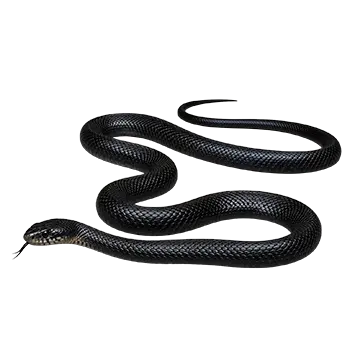

Water management is one of the most important daily husbandry tasks for Eastern Indigo Snake keepers, and the water bowl is arguably the single most critical accessory in the enclosure. Drymarchon couperi requires constant access to clean, fresh water for drinking, voluntary soaking, and humidity contribution. The bowl must be large enough for the snake to submerge at least the forward half of its body, heavy enough to resist tipping when the snake climbs over or into it, and shaped for easy daily cleaning and refilling.
Heavy ceramic crocks designed for large reptiles are the most popular water bowl choice among experienced indigo snake keepers. These bowls are available in sizes ranging from one to several gallons, and their weight — often five to ten pounds when empty — makes them virtually tip-proof even when a six-foot snake drapes itself over the rim. The smooth, glazed interior surface is easy to scrub clean and resists bacterial biofilm formation. Stoneware dog bowls in large sizes serve the same purpose and are often more readily available and less expensive than reptile-specific ceramic crocks.
Plastic water dishes designed for large reptiles offer a lighter, less expensive alternative. Molded plastic bowls with wide, stable bases and low profiles are functional for daily use, though they lack the weight advantage of ceramic and may shift when the snake pushes against them. Weighting the bowl by placing a large, smooth river stone inside adds stability without obstructing the snake's access to the water. Plastic bowls should be replaced when they develop scratches or surface roughness that harbors bacteria and resists cleaning.
Water quality deserves more attention than many keepers give it. Municipal tap water treated with chlorine or chloramine should be allowed to off-gas for twenty-four hours in an open container before use, or treated with a reptile-safe water conditioner that neutralizes these chemicals. While snakes are less sensitive to water chemistry than fish or amphibians, chronic exposure to chlorinated water can irritate mucous membranes and may contribute to skin issues over time. If well water with high mineral content or unusual pH is the available source, testing with a basic water quality kit and adjusting if necessary ensures the snake's drinking water is safe.
Daily water changes are non-negotiable. Eastern Indigo Snakes frequently defecate in their water bowls, and even without visible contamination, bacterial counts in standing reptile water increase rapidly in warm enclosure temperatures. Dumping, scrubbing with a dedicated brush, rinsing, and refilling the bowl each morning takes less than two minutes and is the single most effective disease-prevention measure a keeper can implement. A second water bowl kept clean and ready allows the keeper to swap bowls instantly during the daily change, minimizing the time the snake is without water.