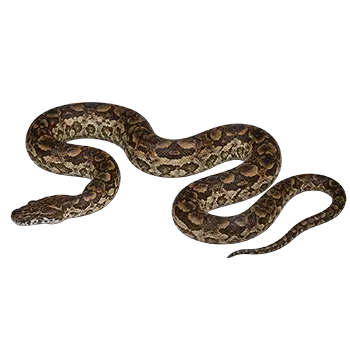

Understanding Snake Enrichment

The concept of enrichment for snakes has evolved substantially over the past two decades as herpetological research and keeper experience have demonstrated that reptiles — long dismissed as instinct-driven animals incapable of benefiting from environmental complexity — engage with their surroundings in nuanced and behaviorally significant ways. Dumeril's Boa is an excellent candidate for enrichment programming because the species exhibits a range of natural behaviors in the wild — burrowing beneath leaf litter, navigating fallen timber, investigating scent trails, thermoregulating across microclimates, and ambush hunting — that can be meaningfully replicated or approximated in a captive environment.

Enrichment for snakes differs fundamentally from enrichment for mammals or birds. Snakes do not play with objects in the conventional sense, and expecting a Dumeril's Boa to interact with a ball, bell, or puzzle feeder the way a parrot or dog would leads to disappointment and the erroneous conclusion that the animal cannot be enriched. Snake enrichment is environmental and sensory rather than interactive. It centers on providing a habitat that offers choices — where to hide, what texture to rest on, which temperature zone to occupy, what scent to investigate — and that changes in subtle ways over time to prevent behavioral stagnation.

The measurable benefits of enrichment in captive snakes include increased activity levels during natural active periods, more consistent feeding responses, reduced stereotypic behaviors such as repetitive glass surfing and nose rubbing, and improved physiological health markers including stronger immune responses and more regular shed cycles. Keepers who invest in enrichment consistently report that their Dumeril's Boas are more alert, more exploratory, and more tolerant of routine handling compared to animals housed in minimalist enclosures with nothing but a hide and a water bowl.

Enrichment should be implemented thoughtfully and gradually. Overwhelming a snake with too many simultaneous changes — rearranging the entire enclosure, introducing new scents, altering the photoperiod, and adding novel objects all at once — produces stress rather than stimulation. The guiding principle is to introduce one enrichment element at a time, observe the snake's behavioral response over several days, and adjust accordingly. An enrichment that causes the snake to retreat into its hide and refuse food for an extended period is too disruptive and should be removed or modified.

Climbing and Structural Enrichment

Although Dumeril's Boa is classified as a terrestrial species, characterizing it as strictly ground-dwelling overlooks the behavioral flexibility that Acrantophis dumerili demonstrates both in the wild and in well-designed captive habitats. Wild individuals have been observed resting on low branches, navigating through tangled root systems, and draping across fallen logs. In captivity, juveniles and sub-adults in particular will readily explore elevated structures when they are available, and even adults will use low branches and shelves positioned within easy reach of the ground.

Sturdy hardwood branches are the most effective climbing enrichment for this species. Manzanita, grapevine, and Malaysian driftwood are popular choices because they are dense, resistant to decay in humid environments, and have natural curves and forks that provide secure resting surfaces. Branches should be anchored firmly so that they cannot shift or fall when the snake's full weight is applied — an adult Dumeril's Boa weighing fifteen to twenty pounds generates substantial force when climbing, and an insecure branch that collapses under the snake can cause injury and erode the animal's confidence in using elevated structures. Securing branches with aquarium-safe silicone, stainless steel brackets, or wedging them tightly between enclosure walls are reliable mounting methods.

Cork bark rounds and flats serve a dual purpose as both climbing surfaces and supplemental hides. A large cork bark tube positioned diagonally from the substrate to a mid-level shelf creates a covered pathway that encourages exploration while maintaining the sense of security that Dumeril's Boa requires. Cork bark is lightweight, resistant to mold when allowed to dry between misting cycles, and has a textured surface that provides excellent grip. Its natural appearance also contributes to the visual appeal of a bioactive or naturalistic enclosure.

Platforms and shelves mounted at various heights within the enclosure create a three-dimensional habitat that dramatically increases usable space without requiring a larger enclosure footprint. Commercially available reptile shelves made from resin or plastic, or custom-built wooden shelves sealed with pond-safe sealant, can be positioned at six, twelve, and eighteen inches above the substrate to create a tiered landscape. Each platform should be wide enough for the snake to coil comfortably and should be accompanied by nearby cover — an overhanging piece of cork bark or a section of artificial foliage — to make the elevated position feel secure rather than exposed.

Burrowing and Substrate Enrichment

Burrowing is one of the most important natural behaviors exhibited by Dumeril's Boa, and providing the means to express this behavior is among the highest-impact enrichment strategies available to keepers. In the forests of southern Madagascar, Acrantophis dumerili spends a substantial portion of its time concealed beneath layers of dry leaves, decaying vegetation, and loose soil, where it benefits from stable temperatures, elevated humidity, protection from predators, and proximity to prey trails. A captive enclosure that offers a deep, loosely packed substrate bed replicates this critical habitat feature.

Substrate depth is the single most important variable for burrowing enrichment. While two inches of substrate technically covers the enclosure floor, it does not permit meaningful burrowing behavior. A depth of four to six inches of cypress mulch, coconut coir, or a blend of the two allows an adult Dumeril's Boa to fully submerge beneath the surface, creating tunnels and chambers that it will maintain and reuse over weeks. Keepers who increase their substrate depth from two inches to five or six inches routinely observe an immediate increase in burrowing activity and a corresponding decrease in stress indicators such as persistent hiding in a single location and reluctance to explore the enclosure.

Leaf litter adds a secondary layer of burrowing and sensory enrichment on top of the primary substrate. Dried magnolia leaves, live oak leaves, and commercially available tropical leaf litter mixes provide a naturalistic ground cover that rustles when the snake moves through it, creating auditory feedback that may enrich the sensory experience. The leaves also trap pockets of humidity at the substrate surface, contributing to the microclimate management that benefits this species. Leaf litter should be sourced from pesticide-free areas or purchased from reptile suppliers who confirm chemical-free processing. It should be replaced periodically as it decomposes, which also introduces a subtle form of novelty into the enclosure environment.

Sphagnum moss pockets distributed across the substrate surface provide localized areas of elevated moisture that the snake can seek out or avoid according to its physiological needs. A handful of dampened sphagnum moss placed in a shallow depression near the warm end of the enclosure creates a humid microsite that supports skin hydration and shedding without saturating the surrounding substrate. These moss pockets can be moved to different locations during routine maintenance, introducing a low-level environmental change that encourages the snake to explore and re-map its habitat.

Scent-Based Enrichment

The chemosensory system is the dominant sensory modality for Dumeril's Boa, and scent-based enrichment taps directly into the neural pathways that drive exploration, prey detection, and environmental assessment in this species. Acrantophis dumerili relies heavily on its forked tongue and vomeronasal organ — the Jacobson's organ — to analyze chemical signals in its environment. Every tongue flick samples airborne and surface-deposited molecules that convey information about prey, predators, conspecifics, territorial boundaries, and environmental conditions. Providing novel scent stimuli is one of the most effective and least disruptive forms of enrichment available.

Prey-scent enrichment involves introducing the scent of a prey animal into the enclosure without delivering an actual meal. This can be accomplished by rubbing a thawed feeder rodent along the substrate surface and enclosure walls, placing soiled rodent bedding in a small perforated container inside the enclosure, or dragging a scented cotton ball along a trail that leads through hides and around obstacles. The snake will typically respond by becoming alert, increasing tongue-flick rate, and actively following the scent trail — behaviors that closely approximate the investigatory phase of a natural hunting sequence. This form of enrichment is particularly valuable during the extended intervals between feedings when the snake would otherwise have minimal stimulation.

Novel environmental scents that do not carry predator or prey associations can also elicit investigatory behavior. Placing a small amount of substrate from another reptile's enclosure — a non-predatory species housed separately — in a perforated container inside the Dumeril's Boa enclosure introduces an unfamiliar chemical signature that the snake will typically investigate thoroughly. Dried herbs such as rosemary, oregano, or chamomile flowers placed in a mesh bag and positioned in the enclosure have been used by keepers to provide olfactory novelty, though the snake's response varies by individual. The key is to introduce scents that provoke curiosity without triggering a defensive response.

Scent-based enrichment should be rotated and varied to prevent habituation. A scent trail that was novel and stimulating the first time it was presented will produce a diminished response by the third or fourth repetition if the scent, pattern, and location remain identical. Varying the scent source, changing the trail route through the enclosure, and spacing scent enrichment sessions at least a week apart maintains the novelty factor that drives exploratory behavior. As with all enrichment, observing the individual snake's response is essential — a snake that becomes agitated, displays defensive postures, or refuses food following scent enrichment may be experiencing the stimulus as a stressor rather than an enrichment, and the approach should be modified or discontinued.

Tactile and Textural Variation

Dumeril's Boa experiences its environment largely through direct physical contact — the ventral scales register surface texture, temperature, moisture, and vibration with remarkable sensitivity as the snake moves across and through its habitat. Providing a variety of textures within the enclosure stimulates this tactile sensory channel and encourages the snake to explore different surfaces rather than settling into a single preferred resting spot indefinitely.

Mixing substrate textures across the enclosure floor creates zones that the snake can choose between based on comfort, thermoregulatory needs, and behavioral state. A primary bed of cypress mulch on the warm side paired with a coconut coir section on the cool side offers distinct textural experiences underfoot. Adding a patch of smooth river stones — large enough that they cannot be ingested — beneath the water bowl or in a corner of the enclosure introduces a hard, cool surface that contrasts with the soft substrate. Flat slate tiles placed on the warm side provide a thermally conductive resting surface that absorbs and releases belly heat differently than organic substrate, and many boas will seek out a warm slate tile during the digestive period following a meal.

Surface textures on climbing structures and hides also contribute to tactile diversity. Cork bark has a rough, deeply fissured surface that provides grip and tactile stimulation. Smooth manzanita branches offer a contrasting hard, polished surface. Artificial rock hides made from resin or molded concrete have their own unique textural profile. Varying these materials throughout the enclosure means that every movement the snake makes involves contact with a different surface, which keeps the tactile sensory channel engaged rather than habituated to a single monotonous texture.

Shed-assist textures deserve specific mention as a form of functional tactile enrichment. Rough-surfaced objects positioned strategically within the enclosure give the snake surfaces to push against when initiating and completing a shed cycle. A piece of rough-textured natural stone, a section of unglazed ceramic tile, or a tightly wound bundle of natural rope anchored to the enclosure wall all serve this purpose. These objects provide a practical benefit — helping the snake achieve a clean, one-piece shed — while simultaneously adding textural complexity to the habitat. Positioning shed-assist surfaces near the humid hide, where the snake is likely to begin the shedding process, maximizes their utility.

Novel Object Introduction

Introducing novel objects into the enclosure on a rotating basis is a straightforward enrichment strategy that leverages the natural neophilia — attraction to new stimuli — that many snake species display once they are established in a secure home territory. Dumeril's Boa, with its generally calm temperament and moderate activity level, responds well to periodic changes in enclosure furniture and decor, provided the changes are introduced one at a time and the snake's core security features — primary hides, water bowl, and heat gradient — remain undisturbed.

The simplest form of novel object enrichment is rearranging existing enclosure furniture. Moving a hide to a different location, repositioning a branch, or shifting the leaf litter to expose a different section of the substrate floor forces the snake to re-explore and re-map its environment. This is a zero-cost enrichment that can be performed during routine maintenance and that consistently produces measurable increases in exploratory behavior. Studies on captive snakes have shown that enclosure rearrangement increases tongue-flick rates and locomotor activity for several days following the change, indicating active environmental investigation.

New objects introduced from outside the existing enclosure inventory should be reptile-safe and free of sharp edges, small detachable parts, and chemical treatments. Large, smooth river cobbles — six to eight inches in diameter — can be placed in the enclosure to create new visual barriers and thermal masses. A new piece of cork bark or driftwood introduces fresh textures and scents. Commercially available reptile decor such as resin skulls, hollow logs, and stone formations can be rotated in and out of the enclosure on a monthly basis to maintain novelty. Each new object should be cleaned and, if necessary, sanitized before introduction.

Handling itself can be considered a form of enrichment for Dumeril's Boa when conducted appropriately. This species is renowned for its calm, tractable temperament, and regular gentle handling sessions — lasting ten to twenty minutes, two to three times per week, at least forty-eight hours after feeding — expose the snake to novel textures, temperatures, scents, and spatial experiences that it does not encounter inside the enclosure. The keeper's hands, clothing, and the ambient environment of the room all provide sensory input. Handling should always be a low-stress experience; if the snake displays signs of agitation such as hissing, tensing, or striking postures, the session should end immediately and the animal should be returned to its enclosure.

Enrichment Safety and Best Practices

Every enrichment item and strategy must be evaluated through a safety lens before implementation. The primary risk factors for enrichment-related injuries in snakes are ingestion of foreign objects, entanglement, thermal burns from improperly secured heat-related enrichment elements, and escape through gaps created by rearranged furniture. Dumeril's Boa is a powerful snake that can dislodge unsecured objects, push through surprisingly small openings, and wrap around objects with enough force to damage lightweight structures. Every item placed in the enclosure should be evaluated for stability, secure attachment, and the absence of gaps or openings that could trap the snake.

Material safety is a non-negotiable consideration. Natural wood used for climbing structures must be free of pesticides, fungicides, and insect infestations. Commercially harvested driftwood and reptile-grade branches sold by reputable suppliers are generally safe, but wood collected from the wild should be baked in an oven at two hundred degrees Fahrenheit for one to two hours to kill parasites, mold spores, and insect larvae. Artificial plants and decor items should be made from non-toxic materials and should not have small detachable components — flowers, berries, or leaves — that the snake could ingest during a feeding strike or during normal movement through the habitat.

Enrichment scheduling benefits from a simple rotation system. Rather than adding enrichment reactively or haphazardly, establishing a weekly or biweekly rotation calendar ensures consistent stimulation without overwhelming the animal. A sample rotation might include a scent trail in week one, a furniture rearrangement in week two, a novel object introduction in week three, and a handling session increase in week four, with the cycle repeating in varied order. Documenting the snake's response to each enrichment event in a husbandry log helps identify which strategies are most effective for the individual animal and which produce neutral or negative responses.

Observation is the keeper's most important enrichment tool. Watching the snake's behavior after introducing an enrichment element provides the feedback necessary to refine the program. Positive indicators include increased tongue-flicking, active exploration of the new element, and use of new resting positions or pathways. Neutral indicators include brief investigation followed by a return to baseline behavior. Negative indicators include prolonged hiding, refusal to leave the hide for extended periods, food refusal that coincides temporally with the enrichment change, and defensive behaviors such as hissing or striking when approached. Enrichment that consistently produces negative responses in a particular individual should be discontinued regardless of how effective it may be for other animals of the same species.

Always consult a qualified professional before making any health-related decisions. This content is provided for informational reference only and should not replace professional guidance specific to your animal.