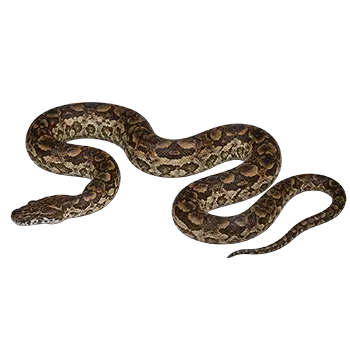

Dumeril's Boa is a medium-to-large ground-dwelling constrictor endemic to the dry forests and leaf litter of southern and western Madagascar. In the wild, Acrantophis dumerili preys on small mammals, ground-nesting birds, and occasionally lizards, relying on ambush tactics rather than active pursuit. This sedentary hunting style is reflected in the species' relatively slow metabolism compared to similarly sized colubrids, and it has direct implications for how keepers should approach caloric intake in captivity. Overfeeding is one of the most common and consequential errors made with this species, as captive Dumeril's Boas will readily accept food far more frequently than their metabolism can healthily support.
The nutritional foundation for Dumeril's Boa in captivity is whole-prey feeding. Every meal should consist of an intact, appropriately sized prey animal that delivers the full spectrum of macronutrients and micronutrients the snake requires. The skeletal structure of the prey provides calcium and phosphorus in a biologically correct ratio, the organ meats supply fat-soluble vitamins and trace minerals such as iron and zinc, the muscle tissue furnishes complete protein, and the fur or feathers contribute indigestible fiber that supports healthy gut motility. No commercial processed diet, pellet, or supplement stack can replicate the nutritional completeness of a whole prey item.
Caloric requirements shift considerably across the life of a Dumeril's Boa. Neonates, which typically measure between twelve and eighteen inches at birth, require small frequent meals to fuel the rapid growth that occurs during their first eighteen months. Juvenile boas transitioning through the two-to-four-foot range need progressively larger prey offered at slightly longer intervals. Adults in maintenance mode — particularly males, which tend to be smaller than females — have comparatively modest caloric needs and can thrive on a single appropriately sized meal every three to four weeks. Breeding females require a temporary increase in feeding frequency and prey size during follicular development to support the metabolic demands of gestation.
Hydration plays an essential supporting role in the nutritional health of this species. Although Dumeril's Boa originates from a seasonally dry climate, access to clean drinking water must be continuous in captivity. Adequate hydration supports efficient digestion, healthy kidney function, and regular shedding cycles. A heavy, tip-resistant water bowl large enough for the snake to soak in should be refreshed every one to two days, or immediately if soiled. Dehydration in Dumeril's Boa often manifests as retained shed, wrinkled skin along the lateral folds, and sluggish feeding response, all of which can be reversed with consistent water access and appropriate ambient humidity.