
Enclosure Types and Sizing

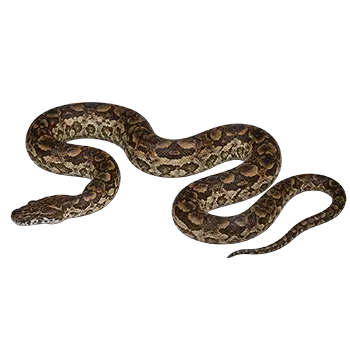
Selecting the correct enclosure for Dumeril's Boa is one of the most consequential decisions a keeper will make, as this species will occupy its habitat for potentially three decades. Acrantophis dumerili is a heavy-bodied, primarily terrestrial snake that spends much of its time coiled beneath leaf litter or wedged into tight hides on the forest floor. This behavioral profile means floor space takes priority over vertical height when sizing an enclosure. An adult Dumeril's Boa measuring six to seven feet requires an enclosure with a minimum footprint of six feet long by two feet deep, with a height of eighteen to twenty-four inches. Larger individuals, particularly robust females approaching eight feet, benefit from enclosures in the range of six by three feet or larger.

PVC (polyvinyl chloride) enclosures have become the preferred housing option among experienced keepers of medium-to-large boas. PVC panels are lightweight, retain heat and humidity far more efficiently than glass, and are easy to clean and sanitize. Several manufacturers produce PVC enclosures specifically designed for boid species, with front-opening sliding or hinged doors, integrated cable ports for heating and monitoring equipment, and stackable designs that facilitate multi-animal collections. The insulating properties of PVC are particularly valuable for Dumeril's Boa, whose humidity and temperature requirements demand an enclosure that minimizes environmental losses.

Glass terrariums remain a viable option for keepers who prioritize visual display, but they come with significant trade-offs. Glass conducts heat rapidly and provides almost no insulation, meaning heating equipment must work harder and energy costs are higher. Humidity escapes quickly through screen-topped glass enclosures, requiring frequent misting or the addition of barriers such as foil tape or acrylic panels over portions of the screen. For keepers committed to glass, front-opening terrariums with solid tops and minimal ventilation strips offer a reasonable compromise between visibility and environmental control.

Neonate and juvenile Dumeril's Boas should not be housed in adult-sized enclosures. A small snake in an enormous cage often becomes stressed, refuses food, and has difficulty locating its heat gradient. Neonates do well in plastic tubs or small front-opening terrariums measuring approximately twenty-four by twelve by twelve inches. As the snake grows, enclosure size should be increased in stages — a juvenile tub around thirty-six by eighteen inches, then a sub-adult enclosure of approximately four by two feet — before the animal moves into its permanent adult habitat. Each upgrade should roughly correspond to the snake reaching one-third, one-half, and two-thirds of its expected adult length.

Substrate Options

Substrate selection for Dumeril's Boa must balance moisture retention, ease of cleaning, burrowing opportunity, and safety. This species is a committed burrower in the wild, spending significant time concealed beneath the deep leaf litter of Madagascar's dry deciduous forests. A substrate that allows the snake to partially or fully submerge itself beneath the surface supports natural behavior and reduces stress, particularly during the acclimation period after a move to a new enclosure.

Cypress mulch is widely regarded as the best all-around substrate for Dumeril's Boa. It holds humidity well without becoming soggy, resists mold growth when maintained at appropriate moisture levels, and allows the snake to burrow and tunnel naturally. Cypress mulch is commercially available in large bags from reptile supply companies and garden centers. The substrate should be laid to a depth of three to four inches for adults, which permits full-body concealment for a coiled snake. Spot-cleaning soiled areas daily and replacing the entire substrate bed every four to six weeks maintains hygiene without disrupting the enclosure environment unnecessarily.

Coconut coir — sold as compressed bricks that expand when soaked — is another excellent option. Coir retains moisture effectively and provides a soft, naturalistic surface that supports burrowing. It is also highly absorbent, which helps manage the localized moisture spikes that occur when the snake defecates or overturns its water bowl. One caution with coir is that extremely fine particles can adhere to prey items during feeding, leading to substrate ingestion. Keepers using coir should consider feeding the snake on a plate, in a bare section of the enclosure, or in a separate feeding tub to minimize this risk.

Substrates to avoid include cedar and pine shavings, which contain aromatic oils — specifically phenols and terpenes — that are toxic to reptiles and can cause respiratory distress, neurological symptoms, and organ damage with prolonged exposure. Sand is inappropriate because Dumeril's Boa is not a desert species, and ingested sand can cause intestinal impaction. Newspaper and paper towels are functional for quarantine enclosures or neonates but offer no burrowing opportunity, no humidity retention, and no aesthetic value for a long-term display habitat. Aspen shavings, while popular for some snake species, mold rapidly in the elevated humidity that Dumeril's Boa requires, making them a poor choice for this particular animal.

Heating and Thermal Gradients

Dumeril's Boa requires a carefully maintained thermal gradient that allows the snake to self-regulate its body temperature by moving between warmer and cooler zones within the enclosure. The warm end of the enclosure should maintain an ambient air temperature of eighty-five to eighty-eight degrees Fahrenheit, with a basking surface temperature that can reach ninety degrees. The cool end should sit in the range of seventy-five to seventy-eight degrees Fahrenheit. A nighttime temperature drop of five to eight degrees across the enclosure is appropriate and mimics the natural diurnal temperature fluctuation of the species' native habitat in southern Madagascar.

Under-tank heat pads and radiant heat panels are the two most effective primary heat sources for Dumeril's Boa enclosures. Heat pads affixed to the exterior bottom of the enclosure beneath the warm-end hide provide belly heat that aids digestion — a meaningful consideration for a species that spends long hours in direct contact with the substrate. Radiant heat panels mounted to the interior ceiling of the enclosure deliver broad, even ambient warmth and are particularly effective in PVC enclosures where the insulated walls retain the radiated heat. Many experienced keepers use both in combination: a heat pad for localized belly warmth and a radiant panel for overall ambient temperature management.

Every heat source must be regulated by a thermostat. This is a non-negotiable requirement, not a recommendation. An unregulated heat pad can reach surface temperatures exceeding one hundred and twenty degrees Fahrenheit — more than enough to inflict severe thermal burns on a snake resting directly above it. Proportional or pulse-proportional thermostats are the preferred type for reptile applications because they modulate power delivery smoothly rather than cycling the heat source on and off abruptly, which reduces temperature swings and extends the lifespan of the heating element. The thermostat's temperature probe should be placed at the substrate surface directly above the heat pad or at the level where the snake rests beneath the radiant panel.

Ceramic heat emitters are a useful supplemental heat source for enclosures that struggle to maintain adequate ambient temperatures, particularly in cooler rooms or during winter months. They emit infrared heat without producing visible light, which means they can operate around the clock without disrupting the snake's photoperiod. Ceramic emitters should be installed in a ceramic socket rated for their wattage, shielded by a cage or guard to prevent the snake from making direct contact, and controlled by a thermostat just as any other heat source would be. Heat rocks and heat caves, regardless of manufacturer claims, should never be used — their uneven surface temperatures and unreliable internal thermostats have caused countless burns in captive reptiles.

Humidity Management

Maintaining appropriate humidity is one of the defining husbandry challenges of keeping Dumeril's Boa, and inadequate humidity is responsible for more health problems in this species than almost any other environmental variable. Acrantophis dumerili inhabits dry deciduous forests and semi-arid scrublands in Madagascar where ambient humidity fluctuates between fifty and seventy percent depending on the season, with higher levels near ground level beneath the leaf litter canopy. In captivity, the target humidity range is sixty to seventy percent as a baseline, with increases to seventy-five or eighty percent during active shedding periods.

The choice of enclosure material has the most significant impact on humidity management. PVC enclosures with limited ventilation openings hold humidity with minimal intervention — in many setups, the moisture released by the water bowl combined with a moisture-retentive substrate is sufficient to maintain appropriate levels without additional misting. Glass enclosures with screen tops, by contrast, hemorrhage humidity into the surrounding room and require frequent misting, partial screen covers, or the addition of a large water bowl positioned over a heat source to generate passive evaporation. Keepers using glass should expect to spend considerably more time and effort on humidity management than those using PVC.

Misting can be performed manually with a pressure sprayer or automated with a timed misting system. Manual misting allows precise control over where moisture is applied and how much is added, but it requires consistent daily attention. Automated misting systems deliver pre-programmed bursts of fine mist at set intervals, which is invaluable for keepers with irregular schedules. The mist should be directed toward the substrate and walls rather than sprayed directly onto the snake. Over-misting creates conditions for bacterial and fungal growth, particularly if the substrate remains perpetually saturated rather than damp. The goal is evenly moist substrate that holds its form when squeezed but does not drip water.

A humid hide — a hide box with a smaller entrance that contains a bed of dampened sphagnum moss — provides a localized microclimate that the snake can access when it needs elevated humidity without requiring the entire enclosure to be kept at the upper end of the range. This is particularly useful during shedding, when Dumeril's Boa benefits from extended contact with moist air and substrate to soften and loosen the old epidermal layer. The sphagnum moss inside the humid hide should be checked every two to three days, re-moistened as needed, and replaced entirely every two weeks to prevent mold colonization. Placing the humid hide on the warm side of the enclosure enhances evaporation from the moss and creates a warm, humid microenvironment that closely approximates the conditions beneath the leaf litter of the snake's native habitat.

Lighting Considerations

Lighting for Dumeril's Boa enclosures serves primarily to establish a consistent photoperiod that supports the snake's circadian rhythm and, for breeding projects, seasonal cycling. In the wild, Acrantophis dumerili experiences a photoperiod that varies from approximately eleven hours of daylight in the austral winter to thirteen hours in the austral summer. In captivity, a standard twelve-hour light cycle — twelve hours on, twelve hours off — maintained year-round is appropriate for non-breeding animals. Keepers engaged in breeding programs may adjust the photoperiod seasonally to simulate natural light variation and stimulate reproductive cycling.

UVB lighting is not considered essential for Dumeril's Boa. Unlike many diurnal lizard species that depend on UVB-mediated synthesis of vitamin D3 for calcium absorption, snakes — particularly nocturnal and crepuscular species — obtain adequate vitamin D3 from the organs and liver of their whole-prey diet. However, a growing body of herpetological research suggests that low-level UVB exposure may confer marginal benefits to overall health, immune function, and coloration in captive snakes. Keepers who choose to provide UVB should select a low-output linear fluorescent tube — a T5 or T8 fixture with a five to seven percent UVB rating — mounted inside the enclosure at a distance that delivers a UV index of approximately one to two at the substrate level. A UVB meter is necessary to verify output levels.

Visible-spectrum lighting, whether LED or fluorescent, should be diffuse and moderate in intensity. Dumeril's Boa is a crepuscular species most active during dawn and dusk, and it does not appreciate harsh, direct lighting. Overly bright enclosures can cause the snake to retreat permanently into its hides during daylight hours, reducing activity levels and making observation difficult. Positioning the light fixture toward the front of the enclosure rather than directly overhead allows the snake to choose between illuminated and shaded areas within the habitat.

Ambient room lighting can substitute for dedicated enclosure lighting in some setups, particularly for PVC enclosures that receive sufficient reflected light from the room. If the enclosure is positioned in a room with windows that provide a natural day-night cycle, and the snake is visible and behaving normally without supplemental lighting, adding fixtures may be unnecessary. The critical requirement is consistency — the snake should not be subjected to irregular light exposure from television screens, hallway lights left on overnight, or other sources that disrupt the predictable light-dark cycle that regulates feeding, activity, and reproductive behavior.

Hides and Interior Layout

Hide availability is arguably the single most important design element in a Dumeril's Boa enclosure, outweighing aesthetics, enrichment features, and even substrate choice in terms of its impact on the snake's stress levels and overall well-being. At minimum, every Dumeril's Boa enclosure should contain two hides — one on the warm end and one on the cool end — so that the snake can thermoregulate without sacrificing the security of concealment. A snake forced to choose between thermal comfort and hiding will often prioritize hiding, leading to chronic thermoregulatory stress and associated health problems including suppressed immune function and digestive inefficiency.

Hide sizing is a detail that many keepers get wrong. The optimal hide for a snake is one that the animal fills almost completely when coiled inside. A hide that is too large fails to provide the close contact pressure that signals security to the snake, while one that is obviously too small will be ignored. As the snake grows, hides must be upgraded accordingly. Half-log hides, commercially produced plastic caves, cork bark rounds, and inverted opaque storage containers with entry holes cut into the side all serve the purpose effectively. The material matters less than the fit, the opacity, and the stability — a hide that wobbles or shifts when the snake enters undermines the sense of security it is meant to provide.

Beyond the minimum two hides, additional cover elements enrich the habitat and encourage natural behavior. Cork bark flats leaned against the enclosure walls create additional sheltered spaces. Artificial or preserved leaf litter scattered across the substrate surface simulates the forest floor environment where Dumeril's Boa spends its time in the wild and allows the snake to feel concealed even when moving between hides. Sturdy branches positioned horizontally at low heights — six to twelve inches off the ground — offer climbing opportunities that some individuals will use, particularly younger animals. While Dumeril's Boa is not an arboreal species, opportunistic climbing is part of its behavioral repertoire, and providing the option supports behavioral diversity.

Water bowl placement is a layout decision with functional implications. The bowl should be positioned on the cool side of the enclosure to minimize evaporation and prevent excessive humidity buildup that can promote respiratory infections. It must be heavy enough that the snake cannot tip it — a ceramic or heavy glass bowl is preferable to lightweight plastic — and large enough for the snake to soak in if it chooses. Soaking behavior is normal and often increases before a shed cycle. However, a snake that soaks constantly may be signaling a problem — mites, dehydration, or excessively high ambient temperatures — and persistent soaking should prompt a thorough assessment of enclosure conditions and the snake's health.

Cleaning and Maintenance

A consistent cleaning protocol is essential for preventing bacterial, fungal, and parasitic buildup in a Dumeril's Boa enclosure. Daily spot-cleaning — removing feces, urates, and any contaminated substrate — takes only a few minutes and prevents waste from decomposing and releasing ammonia into the enclosed environment. Ammonia irritates the respiratory tract of reptiles and, at elevated concentrations, can contribute to respiratory infections that are costly and difficult to treat. A dedicated spot-cleaning tool — a small scoop or set of tongs reserved for waste removal — should be kept near the enclosure for convenience.

The water bowl requires the most frequent attention of any enclosure element. It should be emptied, scrubbed with a reptile-safe disinfectant or a dilute chlorhexidine solution, rinsed thoroughly, and refilled with fresh dechlorinated water every one to two days. If the snake defecates in the water — a common occurrence, especially after feeding — the bowl should be cleaned immediately regardless of the regular schedule. Biofilm, the slimy residue that accumulates on the interior surface of water bowls, harbors bacteria and should be scrubbed away completely at every cleaning. Stainless steel or glazed ceramic bowls resist biofilm more effectively than porous materials.

Full substrate changes should be performed every four to six weeks for cypress mulch and coconut coir substrates, or more frequently if the substrate develops a persistent odor, visible mold, or excessive compaction that no longer allows burrowing. During a full substrate change, the snake should be temporarily housed in a secure holding container — a ventilated plastic tub with a secure lid works well — while the enclosure is stripped, wiped down with a reptile-safe disinfectant, allowed to dry completely, and restocked with fresh substrate and rearranged furnishings. All hides, bowls, and decor items should be washed and disinfected during this process.

Quarterly deep cleans supplement the routine schedule and address areas that daily and monthly maintenance may miss. During a quarterly deep clean, inspect silicone seals for deterioration, check heating equipment and thermostats for proper function, verify that ventilation openings are clear and unobstructed, and examine the enclosure structure for cracks, warping, or other damage that could compromise security or environmental control. For PVC enclosures, wiping the interior walls with a damp cloth removes accumulated dust and substrate residue that can harbor bacteria. This periodic thorough inspection catches developing problems before they escalate into emergencies and extends the functional lifespan of the enclosure and its equipment.

Always consult a qualified professional before making any health-related decisions. This content is provided for informational reference only and should not replace professional guidance specific to your animal.