
Water Bowls and Hydration Equipment

The water bowl is the single most-used accessory in any Dumeril's Boa enclosure, serving simultaneously as a drinking source, a soaking station, and a passive humidity contributor. Selecting the right bowl involves balancing size, weight, material, and placement to meet the needs of a heavy-bodied snake that can weigh fifteen to twenty pounds at maturity. The bowl must be large enough for the snake to submerge at least half of its body — soaking is a normal and healthy behavior in this species, particularly during pre-shed periods — but not so large that it dominates the enclosure floor space or creates excessive humidity when positioned over a heat source.

Ceramic crocks designed for reptile use are the most popular and practical water bowl choice for Dumeril's Boa. They are heavy enough to resist tipping, smooth-surfaced for easy cleaning, and available in a wide range of sizes from small neonate dishes to large bowls suitable for adult boas. Glazed ceramic resists biofilm buildup more effectively than porous materials, which reduces the frequency of deep scrubbing required. The weight of ceramic is an advantage with this species — Dumeril's Boa is strong enough to push lightweight plastic bowls across the enclosure floor, spilling water onto the substrate and creating localized wet spots that promote bacterial growth.

Stainless steel bowls are an alternative that offers superior durability and sanitation. Surgical-grade stainless steel is non-porous, resists scratching, and can be sterilized with boiling water or a dilute bleach solution without degradation. The primary drawback is cost — high-quality stainless steel bowls in sizes appropriate for adult Dumeril's Boas are significantly more expensive than ceramic equivalents. Additionally, stainless steel is lighter than ceramic of comparable volume, which may necessitate securing the bowl in place with an adhesive pad or by recessing it into the substrate to prevent tipping.

Dripper systems and bubblers, which circulate or drip water to simulate moving water sources, are not necessary for Dumeril's Boa but can encourage drinking in individuals that show reluctance to use a still-water bowl. Some keepers report that the movement and sound of dripping water stimulates investigatory behavior and increases water intake. If a dripper system is used, it must be designed for reptile enclosures — systems intended for chameleons or tropical frogs typically deliver water volumes appropriate for those much smaller animals and may not keep pace with evaporation in a large boa enclosure. The reservoir must be refilled and the system cleaned regularly to prevent stagnant water and bacterial colonization of the tubing.

Handling Tools

Dumeril's Boa is widely considered one of the most handleable large snake species in the hobby, and most routine interactions can be conducted with bare hands and minimal equipment. However, every keeper should have a basic set of handling tools available for situations where the snake is in a defensive state, where the keeper needs to move the animal quickly and safely, or where veterinary procedures require controlled restraint. Handling tools are also essential during feeding to keep the keeper's hands safely away from the strike zone.

A snake hook is the most versatile handling tool for medium-to-large boas. Hooks designed for snakes in the five-to-eight-foot range feature a shaft approximately thirty to forty inches long with a smooth, rounded hook at the business end. The hook is used to gently lift the snake's anterior third off the substrate and guide it out of the enclosure in a controlled manner. For Dumeril's Boa, the hook serves primarily as an initial contact tool — the first touch the snake feels when the enclosure is opened communicates that this is a handling event rather than a feeding event, which helps prevent food-associated defensive strikes. Once the snake is lifted onto the hook and recognizes the handling context, most Dumeril's Boas can be transferred to the keeper's hands without further need for the tool.

Feeding tongs are distinct from handling hooks and serve an entirely different purpose. Long stainless steel or rubber-tipped tongs measuring twelve to eighteen inches allow the keeper to present thawed prey at a safe distance from the hand. Rubber-tipped tongs are preferred over bare metal because they grip the prey item securely without puncturing it and cushion the impact of the snake's strike, reducing the risk of dental injury. The tongs should be long enough that the keeper's hand remains well outside the snake's strike radius — Dumeril's Boa can strike at approximately half its body length, and a motivated feeder can close distance faster than an unprepared keeper can react.

Snake bags and pillowcases are indispensable for transport, veterinary visits, and temporary containment during enclosure maintenance. A breathable cotton pillowcase is the traditional and still widely used option — the snake is guided into the bag, the open end is tied or secured with a rubber band, and the bagged snake is placed in a hard-sided container for transport. The darkness and confinement of the bag have a calming effect on most snakes, including Dumeril's Boa. Commercially produced snake bags with sewn-in drawstring closures offer a more finished solution and reduce the risk of the bag coming untied. For veterinary visits, the bagged snake inside a secure plastic tub with ventilation holes provides both containment and insulation during travel.

Cleaning and Sanitation Supplies

Maintaining a hygienic enclosure for Dumeril's Boa requires a dedicated set of cleaning tools and disinfectants that are effective against reptile-relevant pathogens while remaining safe for use in an enclosed space that the snake will immediately re-inhabit. Cross-contamination prevention begins with the principle that cleaning supplies used for the reptile enclosure should never be shared with household cleaning equipment, and vice versa. Designating a specific set of sponges, brushes, spray bottles, and containers for reptile use eliminates the risk of transferring household chemical residues into the enclosure.

Chlorhexidine solution is the most widely recommended disinfectant in reptile husbandry. At a dilution of two percent, it is effective against a broad spectrum of bacteria, fungi, and enveloped viruses commonly encountered in reptile environments, including salmonella, pseudomonas, and various fungal species that cause skin infections. Chlorhexidine has a favorable safety profile — it is non-toxic at standard dilutions, does not produce harmful fumes, and does not damage PVC, glass, or silicone seals when used as directed. The solution is applied to surfaces, allowed to sit for a contact time of ten minutes, and then rinsed thoroughly with clean water before the snake is returned to the enclosure.

F10 veterinary disinfectant is a premium alternative used in zoological institutions and veterinary hospitals that has gained popularity among serious reptile keepers. It has an exceptionally broad antimicrobial spectrum, including activity against non-enveloped viruses and mycobacteria that chlorhexidine may not fully address. F10 is available in concentrated form that the keeper dilutes to the appropriate ratio for general cleaning or deep disinfection. Its cost is higher than chlorhexidine, but its efficacy justifies the investment for keepers who maintain multiple animals or who have experienced disease outbreaks in their collections.

Spot-cleaning tools — a dedicated small scoop, disposable gloves, paper towels, and a sealed waste container — should be stationed near the enclosure for immediate access. Prompt removal of feces, urates, and regurgitated material prevents ammonia buildup and reduces the bacterial load within the enclosure between full substrate changes. Disposable nitrile gloves protect the keeper from direct contact with waste material and from potential salmonella exposure, which is a standard zoonotic risk associated with all reptile keeping. A sealed waste container with a tight-fitting lid prevents odor from permeating the surrounding room and keeps waste contained until disposal.

Travel and Transport Equipment

Every Dumeril's Boa keeper will eventually need to transport the snake — for veterinary appointments, reptile expos, relocations, or emergency evacuations — and having purpose-built transport equipment ready in advance prevents stressful last-minute improvisation. The transport system for a snake of this size must provide physical security to prevent escape, thermal stability to protect against temperature extremes, ventilation to ensure adequate airflow, and visual isolation to minimize stress during transit.

The standard transport protocol for medium-to-large boas involves two layers of containment. The inner layer is a breathable fabric bag — a cotton snake bag or clean pillowcase — that confines the snake gently and restricts visual stimulation. The outer layer is a rigid, ventilated container that protects the bagged snake from physical impacts and maintains a stable thermal environment. For an adult Dumeril's Boa, a high-density polyethylene storage tub with several small ventilation holes drilled into the upper sidewalls provides an excellent outer container. The tub should be just large enough for the bagged snake to rest comfortably without excessive empty space — a container that is too large allows the snake to slide during vehicle movement, causing stress.

Thermal management during transport is critical, particularly in extreme weather. Dumeril's Boa tolerates a temperature range of approximately seventy to eighty-eight degrees Fahrenheit without distress, but temperatures outside this range — particularly below sixty-five or above ninety-five degrees — can cause physiological harm during even brief exposures. In cold weather, a hand warmer wrapped in a cloth and placed inside the transport container provides supplemental heat; it should be positioned so that the snake can move toward or away from the heat source. In hot weather, a cooled (not frozen) gel pack wrapped in a towel can prevent overheating. The transport container should never be left in a parked vehicle, where temperatures can spike or plummet far beyond safe limits within minutes.

Permanent transport containers for keepers who travel to expos, educational programs, or veterinary appointments regularly are worth the investment. Commercially produced reptile transport boxes with built-in ventilation panels, secure latches, and insulated walls are available from several manufacturers. These boxes are designed specifically for the demands of reptile transport: they lock securely, stack for multi-animal transport, and maintain thermal stability for extended periods. For keepers who transport their Dumeril's Boa only occasionally, a well-prepared DIY setup using a quality storage tub, breathable bags, and appropriate thermal management achieves the same functional result at lower cost.

Shedding Aids and Skin Care

Shedding is a regular physiological process for Dumeril's Boa, occurring every four to eight weeks in actively growing juveniles and every six to twelve weeks in adults. A healthy shed in proper environmental conditions produces a single, intact piece of shed skin that peels cleanly from nose to tail. When husbandry conditions are optimal — particularly humidity in the sixty to seventy percent range with access to a humid hide — shedding requires no intervention from the keeper. However, even experienced keepers occasionally encounter incomplete sheds, retained eye caps, or adherent skin patches that require targeted assistance.

Sphagnum moss is the most important shedding aid in the Dumeril's Boa toolkit. A humid hide filled with dampened sphagnum moss provides a localized high-humidity microenvironment that softens the keratinized epidermal layer and facilitates separation from the new skin beneath. The moss should be moistened until it is damp throughout but not dripping, and it should be refreshed every two to three days during an active shed cycle. Placing the humid hide on the warm side of the enclosure enhances evaporation from the moss and creates a warm, moist environment that accelerates the shedding process. Many keepers maintain a humid hide as a permanent enclosure fixture, which the snake accesses as needed.

Retained shed — skin that remains adhered to the body after the majority of the shed has been completed — requires careful manual intervention. The most common sites for retained shed on Dumeril's Boa are the tail tip, the area around the cloaca, and the spectacle (eye cap). Soaking the snake in lukewarm water — approximately eighty degrees Fahrenheit — for fifteen to twenty minutes softens retained skin sufficiently for gentle removal with a damp cloth or cotton swab. The skin should be teased away with light pressure, never pulled or peeled forcibly, as aggressive removal can damage the new epidermis underneath and create entry points for bacterial infection.

Retained eye caps deserve particular caution and, in many cases, veterinary intervention. The spectacle is a transparent scale covering the eye that sheds along with the rest of the skin. When it fails to release, the retained cap appears as a cloudy or wrinkled film over the eye. Attempting to remove a retained eye cap without experience risks scratching the cornea or damaging the underlying eye structure. A reptile veterinarian can remove retained caps safely using ophthalmic instruments and magnification. Keepers who frequently encounter retained eye caps should re-evaluate enclosure humidity, as chronic low humidity is almost always the underlying cause.

Shedding supplements and commercial shed-ease sprays are marketed widely in the reptile hobby. These products typically contain glycerin or mineral oil formulations designed to moisturize the skin and promote a clean shed. While they are not harmful in most cases, they are also not a substitute for proper humidity management. A snake that requires shed-ease spray to complete a successful shed has an environmental problem that needs correction at the source — adjusting humidity, adding a humid hide, or changing substrate to a more moisture-retentive option. The spray may address the symptom, but only environmental correction addresses the cause.

Record-Keeping and Identification

Systematic record keeping transforms reactive animal care into proactive husbandry and is an accessory — in the broadest sense — that no serious Dumeril's Boa keeper should overlook. A comprehensive husbandry log tracks feeding dates, prey size and type, acceptance or refusal, shedding dates and quality, weight measurements, enclosure parameter readings, veterinary visits, and behavioral observations. Over the multi-decade lifespan of a Dumeril's Boa, this log becomes an invaluable diagnostic resource that a veterinarian can reference when evaluating health concerns, and it provides the keeper with a longitudinal view of the animal's patterns and trends.

Digital record-keeping applications designed specifically for reptile husbandry have largely supplanted paper logbooks for many keepers. These applications allow entry of feeding, shedding, and weight data with timestamps, generate charts and trend lines that visualize growth and feeding patterns over time, and send reminders for scheduled feedings, substrate changes, and veterinary appointments. Several applications also allow photograph uploads, so keepers can maintain a visual record of the snake's appearance, coloration changes, and any physical abnormalities alongside the numerical data.

A digital gram scale is an essential companion to any record-keeping system. Weighing the snake at regular intervals — monthly for adults, biweekly for juveniles — provides the most objective measure of body condition and growth trajectory available. Weight loss that is not explained by a seasonal fasting period or a recent shed may indicate illness, parasitic infection, or husbandry deficiencies that are not yet visible externally. Weight gain that outpaces expected growth curves signals overfeeding. For an adult Dumeril's Boa, a scale with a capacity of at least fifty pounds and a precision of one ounce is appropriate. The snake can be weighed inside a pillowcase or cloth bag placed on the scale, with the bag weight subtracted from the total.

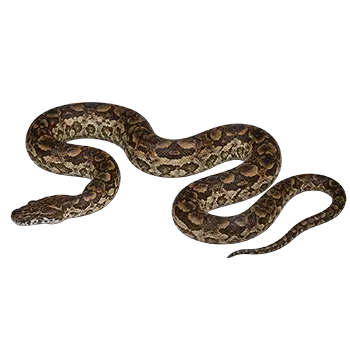
Individual identification is important for keepers who maintain more than one Dumeril's Boa. While each animal's unique pattern of brown, tan, and gray dorsal markings serves as a natural identifier, relying on visual pattern recognition alone becomes impractical with multiple animals of similar size and coloration. Photographing the head pattern from a standardized angle at acquisition provides a reliable reference image. Microchipping, performed by a reptile veterinarian using a miniaturized transponder injected subcutaneously, offers permanent electronic identification that can be read with a standard scanner. Microchipping is also increasingly required by state and federal regulations for species listed under CITES Appendix I, which includes Acrantophis dumerili.

First-Aid and Emergency Supplies

A reptile first-aid kit stocked with appropriate supplies enables a keeper to provide immediate care for minor injuries and stabilize the snake while arranging veterinary attention for more serious conditions. First-aid intervention is not a substitute for professional veterinary care, but the ability to clean a wound, manage a burn, or address dehydration in the critical hours before a veterinary appointment can meaningfully improve outcomes. The kit should be assembled in advance, stored in a clearly labeled container near the reptile room, and its contents checked and refreshed quarterly.

Wound care supplies form the core of the first-aid kit. Sterile gauze pads, non-adhesive wound dressings, medical tape, and a small pair of blunt-tipped scissors allow the keeper to clean and dress minor abrasions, rostral injuries from nose-rubbing, and small lacerations. Povidone-iodine solution, diluted to a weak tea color, serves as a safe topical antiseptic for cleaning wounds before dressing. Chlorhexidine solution at the standard two-percent dilution can also be used for wound irrigation. An antibiotic ointment such as silver sulfadiazine cream is useful for thermal burns, which can occur if heating equipment malfunctions, and for abrasions that show early signs of infection. All wound care should be performed with clean, gloved hands to prevent introducing additional contaminants.

Hydration support materials are essential for addressing dehydration, which can develop rapidly in a snake that has been ill, has experienced a prolonged fast, or has been housed in conditions with insufficient humidity or water access. An unflavored electrolyte solution — the reptile equivalent of a sports drink — can be offered via a shallow soaking dish or, in more serious cases, administered orally with a needleless syringe under veterinary guidance. Soaking the snake in lukewarm electrolyte solution for twenty to thirty minutes allows percutaneous absorption of fluids and electrolytes through the ventral scales and can stabilize a mildly dehydrated animal pending veterinary examination.

An emergency contact list should be posted visibly in the reptile room and stored digitally on the keeper's phone. This list should include the name, address, and phone number of the nearest reptile-experienced veterinarian, an after-hours emergency veterinary clinic that accepts reptile patients, and a backup keeper — a trusted friend or fellow hobbyist who can provide temporary care if the primary keeper is incapacitated or unavailable. For Dumeril's Boa, which is a CITES-listed species, the contact list should also include the keeper's state wildlife agency and any permit or registration numbers associated with the animal, as these may be required for emergency veterinary treatment or in the event of a natural disaster evacuation.

Always consult a qualified professional before making any health-related decisions. This content is provided for informational reference only and should not replace professional guidance specific to your animal.