
Nutritional Needs

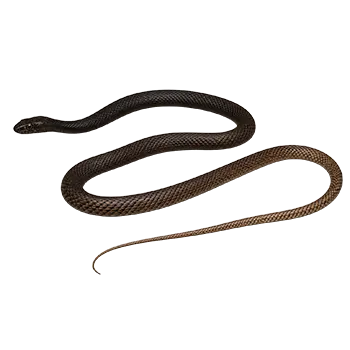
The Coachwhip is among the most active and metabolically demanding colubrid snakes kept in captivity, and its nutritional requirements reflect a lifestyle built around speed, endurance, and visual hunting. In the wild, Masticophis flagellum ranges across open grasslands, scrublands, sandy prairies, and pine flatwoods throughout the southern and western United States and into northern Mexico, where it actively pursues prey during daylight hours. Unlike ambush predators that may eat infrequently and digest slowly, Coachwhips burn through calories rapidly due to their high activity levels, and their feeding regimen in captivity must account for this elevated metabolic rate.

The wild diet of the Coachwhip is remarkably varied. These snakes consume lizards, smaller snakes, rodents, birds and their eggs, large insects such as grasshoppers and cicadas, and occasionally frogs. This dietary breadth means that captive Coachwhips benefit from variety in their prey offerings rather than a monotonous single-species diet. While rodents form a practical dietary backbone in captivity due to their availability and complete nutritional profile, supplementing with other prey types when possible contributes to broader micronutrient coverage and can stimulate stronger feeding responses in animals that might otherwise become disinterested in the same prey item offered repeatedly.

Caloric management is a balancing act with Coachwhips. Their lean, athletic body type should be maintained throughout their lives, and overfeeding is a genuine risk even with a species this active. A healthy Coachwhip has a slender, muscular build with a visible but not prominent spine and slightly rounded flanks. Obesity manifests as a loss of the characteristic streamlined shape, with visible fat deposits along the lower third of the body and a sluggish demeanor that is profoundly unnatural for this species. An overweight Coachwhip is a snake in metabolic distress, and the keeper should reduce feeding frequency immediately if signs of excess weight appear.

Hydration plays an important supporting role in the Coachwhip's nutritional picture. Although these snakes inhabit arid and semi-arid environments, they require consistent access to fresh drinking water in captivity. Dehydration impairs digestion and nutrient absorption, and a chronically dehydrated Coachwhip will develop wrinkled skin, sunken eyes, and reduced feeding interest. Water should be provided in a sturdy, tip-resistant dish that is cleaned and refilled daily, as Coachwhips will often defecate in or near their water source.

Choosing the Right Prey

Prey selection for the Coachwhip differs substantially from the approach used with heavy-bodied constrictors and ambush-feeding species. Because Coachwhips are active foragers with relatively fast metabolisms, they benefit from moderately sized prey items offered at somewhat more frequent intervals rather than large, infrequent meals. The general prey-sizing guideline — items no wider than the widest point of the snake's body — applies well to this species, though many experienced keepers find that Coachwhips feed most reliably on prey slightly narrower than their maximum girth, reflecting the snake's preference for prey it can overpower and swallow quickly in the wild.

Hatchling Coachwhips, which emerge at approximately ten to thirteen inches in length, should begin on pinky mice or small lizards. Within the first few months of consistent feeding, most hatchlings will graduate to fuzzy mice and then hoppers as they grow. The growth rate of young Coachwhips is rapid when nutrition is adequate, and keepers should be prepared to adjust prey size upward every few weeks during the first year. By the time a Coachwhip reaches eighteen to twenty-four inches, it will typically accept small adult mice without difficulty.

Adult Coachwhips in the four-to-six-foot range generally do well on adult mice or small weaned rats as their primary prey. Exceptionally large individuals approaching or exceeding six feet may take small to medium rats, though prey this size should be offered with caution to ensure the snake can handle it comfortably. A Coachwhip that struggles visibly during swallowing or takes an unusually long time to work down a prey item is being offered food that is too large, and the keeper should step down to a smaller size at the next feeding.

Variety in prey species is more beneficial for Coachwhips than for many other commonly kept snakes. Offering an occasional anole, small gecko, or day-old chick alongside the regular rodent diet provides dietary enrichment and can trigger enthusiastic feeding responses. Insect prey such as appropriately sized roaches or grasshoppers can also be offered to juveniles, echoing the natural diet, though insects should be considered supplemental rather than a dietary staple because they do not provide the complete nutritional profile that whole vertebrate prey delivers.

Frozen Prey Options

Frozen-thawed prey is the safest and most practical feeding method for captive Coachwhips. While these snakes are fast enough to dispatch live prey with minimal risk of injury to themselves, the ethical and logistical advantages of frozen prey make it the preferred option for responsible keepers. Frozen mice and rats are widely available from numerous online suppliers and local reptile shops, and the prey sizes that Coachwhips require — pinkies through small rats — are among the most commonly produced and affordably priced categories in the frozen feeder market.

Quality is paramount when selecting a frozen prey supplier. Prey animals should be humanely euthanized, individually quick-frozen to preserve tissue integrity, and packaged in sealed bags or vacuum packs that prevent freezer burn. Upon thawing, the prey should be pliable, intact, and free of off-odors or discoloration. Suppliers who raise their own rodent colonies on high-quality feed produce nutritionally superior prey compared to operations that cut corners on animal husbandry, and the difference is reflected in the health of the snakes that consume them over time.

Thawing frozen prey correctly is essential and frequently done improperly by inexperienced keepers. The safest method is to move the prey item from the freezer to the refrigerator several hours before feeding time, then warm it to slightly above room temperature by placing it in a sealed bag submerged in warm water for ten to fifteen minutes before offering. Microwaving prey is strongly discouraged because it creates hot spots that can burn the snake's mouth and esophagus while leaving other areas still frozen. Prey should never be thawed and refrozen, as the bacterial proliferation during the thaw cycle makes refrozen prey a food safety hazard.

Some newly acquired Coachwhips, particularly wild-caught animals or those previously maintained on live prey, may refuse frozen-thawed offerings initially. Transitioning these snakes requires patience. Warming the prey thoroughly so it reaches a temperature close to that of a live mouse, braining the item to release scent compounds, and presenting it with tongs using gentle, lifelike motion often stimulates a strike. Feeding in the evening hours, when Coachwhips would naturally encounter resting prey in the wild, and reducing visual disturbance around the enclosure can also improve acceptance rates. Most Coachwhips convert to frozen-thawed within a few sessions using these techniques.

Supplements and Vitamins

Whole-prey feeding provides the vast majority of nutrients a captive Coachwhip requires, and supplementation is generally unnecessary when prey quality is high and feeding frequency is appropriate. A properly raised frozen mouse or rat delivers complete protein, balanced calcium and phosphorus from the skeleton, organ-derived fat-soluble vitamins, and trace minerals in biologically available proportions. This self-contained nutritional package is the primary reason herpetologists and experienced keepers advocate so strongly for exclusive whole-prey diets over any processed or partial alternatives.

Calcium supplementation may be warranted in specific circumstances. Female Coachwhips developing follicles or producing eggs have elevated calcium demands, and a light dusting of phosphorus-free calcium carbonate on prey items during the breeding season can help prevent depletion of the female's skeletal calcium reserves. Juveniles growing rapidly on a primarily insect-supplemented diet may also benefit from occasional calcium dusting, since insect prey typically has a poor calcium-to-phosphorus ratio compared to whole vertebrate prey. In both cases, supplementation should be conservative — a light coating rather than a heavy application — to avoid interfering with the prey's palatability.

Multivitamin supplements should be used sparingly and only under veterinary guidance. Fat-soluble vitamins accumulate in tissue and can reach toxic concentrations with chronic oversupplementation. Vitamin D3 is synthesized or obtained through dietary pathways in Coachwhips, and while there is some evidence suggesting that moderate UVB exposure benefits colubrid health, dietary vitamin D from whole prey is considered sufficient by the majority of experienced keepers and reptile veterinarians. If a keeper provides UVB lighting in the enclosure, supplemental D3 is almost certainly unnecessary and could contribute to hypervitaminosis.

The most impactful nutritional decision a keeper makes is not whether to add supplements but whether to invest in quality prey. Rodents raised on nutritionally complete diets, housed in clean conditions, and processed humanely transfer their own nutritional quality to the snake. Cheap, poorly raised feeder mice from high-volume operations that cut corners on feed quality and animal welfare produce nutritionally inferior prey. The cost difference between quality and budget prey is modest on a per-item basis, and for a species that consumes prey in the mouse-to-small-rat range, the annual food cost is manageable even at premium pricing.

Foods to Avoid

Wild-caught prey should never be offered to a captive Coachwhip regardless of how convenient or cost-free it may seem. Wild rodents, lizards, and insects carry unpredictable parasite loads including nematodes, cestodes, and pentastomids that can establish infections in the snake's gastrointestinal tract and lungs. Additionally, wild prey may have ingested pesticides, herbicides, or rodenticide bait, and these toxins bioaccumulate in the snake after consumption. A single wild-caught mouse that has consumed anticoagulant rodenticide can cause fatal internal hemorrhaging in the snake that eats it, and the keeper may not recognize the cause until it is far too late for treatment.

Grocery-store meats are entirely inappropriate as food for Coachwhips. Raw chicken breast, ground beef, fish fillets, and similar products lack the skeletal calcium, organ-derived micronutrients, and dietary fiber that whole prey provides. A Coachwhip maintained on boneless meat will develop metabolic bone disease, nutritional secondary hyperparathyroidism, and a host of deficiency-related disorders that are entirely preventable with proper whole-prey feeding. The argument that processed meat is more convenient than frozen rodents does not withstand scrutiny given the wide availability and low cost of appropriately sized frozen mice.

Oversized prey is a particular risk for Coachwhips because their slender build and relatively narrow head limit the size of prey they can safely ingest. Unlike heavy-bodied pythons and boas with highly elastic jaw ligaments and distensible skin, Coachwhips are adapted to consuming numerous smaller prey items rather than single large meals. Offering a prey item that forces the snake to struggle during swallowing risks jaw injury, esophageal tearing, and regurgitation. Regurgitation is a serious medical event that damages the esophageal lining, disrupts gut flora, and causes significant physiological stress. Following a regurgitation, the snake should not be offered food for at least ten to fourteen days to allow the digestive tract to recover.

Feeder insects intended for other types of reptiles require careful evaluation before being offered to Coachwhips. Mealworms and superworms have hard chitin exoskeletons that can be difficult for snakes to digest and may cause impaction if consumed in quantity. Wild-caught insects carry the same parasite and pesticide risks as wild-caught vertebrate prey. Captive-bred, gut-loaded insects from reputable suppliers are acceptable as occasional supplemental offerings for juvenile Coachwhips, but they should never replace whole vertebrate prey as the dietary foundation. Fireflies and other bioluminescent insects are acutely toxic to reptiles and must never be offered under any circumstances.

Feeding Tools and Techniques

Tong-feeding is the standard and recommended method for offering prey to captive Coachwhips. These snakes are fast, visually oriented predators that strike rapidly and with considerable accuracy, and presenting prey on long hemostats or dedicated feeding tongs keeps the keeper's hands safely distant from the strike zone. Tongs should be at least twelve inches long, with rounded or rubber-coated tips that will not injure the snake's mouth if it strikes the tong itself rather than the prey. Locking hemostats designed for reptile feeding are widely available and inexpensive, and every Coachwhip keeper should have at least one pair dedicated to feeding use.

Presentation technique matters significantly with Coachwhips. These snakes respond strongly to movement and visual cues, so holding the thawed prey item by the tail or a hind leg and gently wiggling it in front of the snake triggers the predatory chase-and-strike response that Coachwhips rely on in the wild. Slow, lateral movements that mimic a retreating mouse or lizard are more effective than jabbing the prey toward the snake's face, which is more likely to startle than entice. Once the snake strikes and begins constricting or swallowing, the keeper should release the tongs smoothly and withdraw without sudden movements.

Feeding location is a topic of ongoing discussion in the colubrid-keeping community. Some keepers advocate feeding Coachwhips in a separate, bare-bottomed container to prevent substrate ingestion and to avoid creating a feeding-response association with the main enclosure that could lead to defensive striking during routine handling. Others argue that transferring an alert, fast-moving snake into a separate container creates unnecessary stress and increases the risk of escape. Both approaches have merit. Keepers who feed inside the enclosure should place the prey on a small plate, feeding ledge, or paper towel to minimize substrate contact, and they should use a hook or gentle tap on the snake's body before opening the enclosure for non-feeding purposes to signal that food is not incoming.

Feeding frequency for Coachwhips varies by age and condition. Hatchlings and juveniles under two feet benefit from feeding every five to seven days to support their rapid growth. Sub-adults in active growth can be fed every seven to ten days. Adults in maintenance mode do well on a schedule of every ten to fourteen days, adjusted seasonally if the keeper observes natural fluctuations in appetite. Gravid females may require slightly more frequent feedings during follicle development. Refusal of a meal is not unusual and should not prompt panic — Coachwhips may fast briefly during seasonal transitions, shedding cycles, or in response to environmental changes. A healthy adult that refuses a meal can simply be offered again at the next scheduled feeding.

Always consult a qualified professional before making any health-related decisions. This content is provided for informational reference only and should not replace professional guidance specific to your animal.