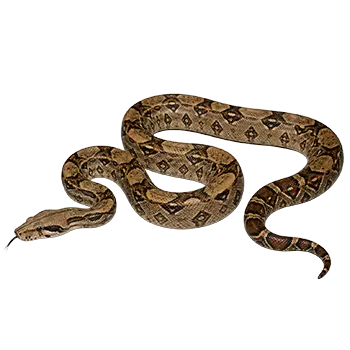

Enrichment for boa constrictors looks fundamentally different from enrichment for mammals. Snakes do not play with objects in the way that dogs fetch balls or cats chase feathers. Instead, snake enrichment focuses on creating an environment that encourages the expression of natural behaviors: exploring, climbing, thermoregulating, seeking shelter, and investigating novel stimuli. A well-enriched enclosure provides choices and complexity rather than toys in the traditional sense.
Boa constrictors are curious, methodical explorers. In the wild, they navigate complex three-dimensional environments of tree branches, root tangles, leaf litter, and rocky outcrops. They spend hours moving through these spaces, using their tongue to gather chemical information about their surroundings. Captive enclosures that replicate even a fraction of this complexity produce calmer, more active, and healthier animals than bare-minimum setups with just a hide and a water bowl.
The concept of environmental enrichment has gained significant traction in reptile husbandry over the past decade, driven by research demonstrating that snakes housed in enriched environments show measurably different behavior patterns than those in barren enclosures. Enriched snakes explore more frequently, spend less time hiding, display fewer stress-related behaviors like glass surfing, and often feed more reliably. These behavioral indicators strongly suggest improved psychological well-being.
Effective enrichment does not require expensive products. Some of the most stimulating additions to a boa enclosure cost nothing at all. The key principle is to provide the snake with opportunities to make choices about where it goes, what it investigates, and how it interacts with its environment. Multiple hides, varied textures, climbing opportunities, and periodic changes to the enclosure layout all contribute to a richer captive experience.