
Space Requirements

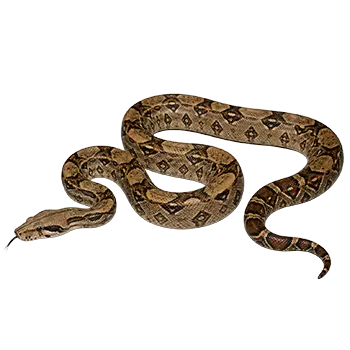
Boa constrictors are large, semi-arboreal snakes that need enclosures proportional to their adult size. The widely accepted minimum for an adult boa is an enclosure where the length plus the width equals or exceeds the total length of the snake. For a seven-foot boa, that translates to roughly a six-foot-long by two-foot-deep enclosure at minimum. Height matters too, as boas, especially younger animals, are active climbers and will use vertical space if it is provided.

Neonates and juveniles should not be started in their adult-sized enclosure. A small snake in a massive space often feels exposed and insecure, which can lead to stress, feeding refusal, and defensive behavior. Starting a neonate in a smaller tub or enclosure and upgrading as it grows allows the keeper to manage temperatures and humidity more precisely while giving the snake a sense of security. Most keepers plan for two to three enclosure upgrades over the first three to four years.

It is important to think ahead when purchasing enclosures. Boa constrictors grow steadily for the first several years, and an enclosure that seems spacious for a three-foot juvenile will be outgrown within a year. Many experienced keepers skip the intermediate step entirely and move yearlings directly into their adult enclosure, using visual barriers, extra hides, and clutter to make the space feel secure until the snake grows into it.

Floor space is generally more important than height for adult boas, but providing at least eighteen to twenty-four inches of vertical clearance allows for climbing branches and elevated basking platforms. Boas that are given opportunities to climb tend to be more active, more muscular, and display more natural behaviors than those kept in low-profile enclosures with no vertical enrichment.

Enclosure Types

PVC and molded plastic enclosures have become the standard for boa constrictor housing among serious keepers. These enclosures hold heat and humidity far more effectively than glass terrariums, which lose both through screen tops and thin walls. PVC enclosures typically feature front-opening doors, built-in light fixtures, and pre-drilled ports for heating and probe access. They are lightweight, stackable, and available in a wide range of sizes from multiple manufacturers.

Glass terrariums remain popular with first-time keepers because they are widely available at pet stores and allow full visibility of the animal. However, they present real challenges for boa constrictor husbandry. Screen tops allow heat and humidity to escape rapidly, requiring constant adjustments and supplemental equipment to maintain proper conditions. For keepers committed to glass, covering a portion of the screen top with foil tape or acrylic panels can help retain humidity, though this is a workaround rather than a solution.

Custom-built wooden enclosures sealed with waterproof coatings are another option, particularly for keepers who want to build enclosures to exact specifications. Wood provides excellent insulation and can be built to any dimension, but it must be thoroughly sealed to prevent moisture damage and to allow proper sanitation. Unsealed wood absorbs moisture, harbors bacteria, and warps over time, making waterproofing a non-negotiable step in the construction process.

Plastic storage tubs are commonly used for neonates, juveniles, and large breeding collections where dozens of animals need to be housed efficiently. Tubs modified with ventilation holes or heat-applied vents provide adequate housing for young boas and are easy to clean, stack, and replace. While tubs lack the visual appeal of a display enclosure, they are highly functional and maintain temperature and humidity gradients with minimal effort.

Substrate & Bedding

Choosing the right substrate is one of the most important decisions in setting up a boa constrictor enclosure, as it directly affects humidity levels, sanitation, and the snake's respiratory health. Cypress mulch is one of the most popular choices because it holds moisture well, resists mold growth, and provides a naturalistic appearance. It can be spot-cleaned easily and replaced in sections as needed without tearing down the entire enclosure.

Coconut fiber and coconut husk products are another excellent option for boa constrictors. These substrates are highly absorbent, naturally resist bacterial growth, and can be misted to boost ambient humidity without becoming waterlogged. They are available in compressed bricks that expand when soaked, making storage and transportation convenient. Coconut-based substrates also break down gradually and can be composted after use.

Newspaper and paper towels are the simplest and most hygienic substrate options, particularly useful for quarantine enclosures, neonates, and snakes undergoing medical treatment. Paper substrates allow keepers to monitor waste output closely, detect mites or other parasites quickly, and change the bedding with minimal effort. The tradeoff is that paper does nothing to maintain humidity, so supplemental misting or a larger water bowl may be necessary.

Substrates to avoid include cedar and pine shavings, which contain aromatic oils that are toxic to reptiles and can cause respiratory distress, neurological damage, and death. Sand is also inappropriate for boa constrictors, as ingested particles can cause intestinal impaction. Any substrate that produces excessive dust should be rejected, as fine particulate matter irritates the respiratory tract and creates conditions favorable to respiratory infection.

Heating & Lighting

Boa constrictors are ectothermic and depend entirely on their environment to regulate body temperature. A properly set up enclosure provides a thermal gradient with a warm basking zone on one end and a cooler retreat on the other. The warm side should maintain surface temperatures of approximately eighty-eight to ninety-two degrees Fahrenheit, while the cool side should sit in the seventy-eight to eighty-two degree range. Nighttime temperatures can safely drop a few degrees across the entire enclosure.

Under-tank heating pads and radiant heat panels are the two most commonly used heat sources for boa constrictors. Heat pads are effective for tub setups and smaller enclosures where they can be placed beneath the enclosure or mounted internally. Radiant heat panels mount to the ceiling of the enclosure and produce gentle, even heat from above, making them ideal for larger PVC and wooden enclosures. Both heat sources must be connected to a thermostat to prevent overheating and thermal burns.

Overhead basking lamps, including halogen flood bulbs and deep heat projectors, have gained popularity as a more naturalistic heating option. These mimic the infrared wavelengths produced by sunlight and encourage natural basking behavior. When using overhead heat, the bulb must be mounted outside the enclosure or behind a protective cage to prevent the snake from wrapping around it and suffering severe burns. Unguarded heat lamps are one of the most common causes of preventable injury in captive boas.

Lighting for boa constrictors does not need to be elaborate, but providing a consistent photoperiod of twelve hours on and twelve hours off helps regulate the snake's circadian rhythm and seasonal behavior cycles. Low-wattage LED strips or ambient room lighting are sufficient. While UVB lighting is not strictly required for boa constrictors, emerging research suggests that access to low-level UVB may support vitamin D synthesis and overall well-being. A low-output UVB fixture designed for forest-dwelling species is a reasonable addition for keepers who want to provide the most complete environment.

Humidity & Climate Control

Maintaining proper humidity is critical for boa constrictor health, particularly for respiratory function and successful shedding. The target range for most boa constrictor localities is fifty-five to seventy-five percent ambient humidity, with temporary increases to eighty percent or higher during shedding periods. Chronic low humidity leads to retained sheds, dehydration, and respiratory issues, while sustained humidity above eighty-five percent promotes bacterial and fungal growth.

The substrate plays a major role in passive humidity regulation. Moisture-retentive substrates like cypress mulch and coconut fiber can be lightly misted to maintain ambient levels without creating standing water. Pouring a small amount of water into the corners of the substrate and allowing it to wick upward provides a slow, steady release of moisture. The goal is a stable ambient level rather than dramatic spikes from heavy misting followed by dry-out periods.

A large water bowl is both a hydration source and a humidity contributor. The water surface area generates passive evaporation that contributes to ambient humidity, and many boas will soak in their water bowl during shedding or when humidity drops too low. The bowl should be large enough for the snake to submerge its body if it chooses, heavy enough to resist tipping, and positioned on the cool side of the enclosure to reduce bacterial growth in warm, stagnant water.

For enclosures that struggle to maintain adequate humidity, particularly glass terrariums with screen tops, additional strategies include covering portions of the screen with non-porous material, adding a humid hide filled with damp sphagnum moss, or installing a small reptile fogger on a timer. Foggers should be used carefully, as overuse can saturate the substrate and create the stagnant, wet conditions that promote scale rot and respiratory infection. A digital hygrometer placed at substrate level gives the most accurate reading of the conditions the snake actually experiences.

Multi-Snake Households

Boa constrictors should be housed individually. Cohabitation is a persistent myth in reptile keeping that leads to chronic stress, competition for resources, and increased risk of disease transmission between animals. Even snakes that appear to coexist peacefully are experiencing low-level stress that suppresses immune function and reduces overall well-being. Dominant individuals often monopolize the warm side of the enclosure, leaving subordinate animals thermally disadvantaged without any visible conflict.

The only exception to the single-housing rule is temporary pairing for breeding purposes, and even this should be closely monitored and limited in duration. Males should be introduced to the female's enclosure rather than the reverse, and the pair should be separated immediately after copulation is observed or after a predetermined introduction period. Extended cohabitation during breeding season increases the risk of aggression, particularly between males if multiple animals are introduced to the same enclosure.

Keepers with multiple boa constrictors should invest in a quarantine protocol for any new arrivals. New snakes should be housed in a separate room from the existing collection for a minimum of sixty to ninety days, with the keeper handling quarantined animals last and washing hands and changing clothes between interactions. This period allows time to observe for signs of parasites, respiratory infection, inclusion body disease, and other transmissible conditions before the new animal poses any risk to established pets.

For households with multiple snakes in the same room, individual enclosures should be set up to prevent visual contact between animals. Some boas become stressed by the sight of another snake in an adjacent enclosure, particularly during feeding. Opaque enclosure walls, visual barriers between stacked units, and consistent feeding schedules that minimize the scent of prey in the room all contribute to a calmer, healthier environment for each animal.

Always consult a qualified professional before making any health-related decisions. This content is provided for informational reference only and should not replace professional guidance specific to your animal.