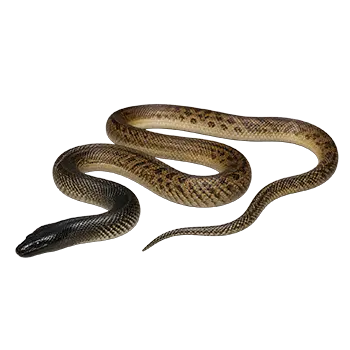

Nutritional Needs

Black-Headed Pythons are obligate carnivores that derive all of their nutritional requirements from whole prey items. In the wild, this species is notable for its ophiophagous tendencies, meaning it frequently feeds on other reptiles, including smaller snakes and lizards. In captivity, however, most keepers transition Black-Headed Pythons onto commercially available rodent prey, which provides a complete nutritional profile when fed appropriately sized and properly prepared.

The caloric and nutritional demands of a Black-Headed Python shift considerably across its life stages. Hatchlings and juveniles are growing rapidly and require more frequent feedings of smaller prey, while adults settle into a slower metabolism and can thrive on less frequent but larger meals. Overfeeding is a common pitfall with this species, as they can become obese relatively quickly in a captive setting where energy expenditure is minimal compared to their wild counterparts.

Because whole prey provides a balanced ratio of protein, fat, calcium, and other micronutrients, supplementation is rarely necessary when feeding quality items. However, keepers should pay attention to the nutritional condition of the prey itself. Prey animals that were gut-loaded or raised on quality feed will pass those nutritional benefits along to the snake. Understanding the baseline dietary biology of this species is the foundation for choosing the right products and feeding strategies.

It is also worth noting that Black-Headed Pythons can be somewhat finicky feeders, especially during seasonal shifts or when adjusting to a new environment. Keepers should be prepared to experiment with prey presentation methods and types to find what works best for their individual animal, rather than assuming a one-size-fits-all approach.

What to Look For in Prey Products

When purchasing frozen prey for a Black-Headed Python, quality matters far more than price. Look for suppliers that flash-freeze their rodents and reptile prey items immediately after humane euthanasia, as this preserves nutritional integrity and minimizes bacterial contamination. Prey that has been stored for excessively long periods or that shows signs of freezer burn — discolored patches, desiccated tissue, or ice crystal buildup inside the packaging — should be avoided.

Sizing is critical. A good rule of thumb is to offer prey items that are roughly the same diameter as the widest part of the snake's body, or slightly larger. Prey that is too small fails to provide adequate nutrition per feeding event, while prey that is excessively large can cause regurgitation or digestive stress. Many suppliers offer prey graded by weight and age, which makes it straightforward to match items to your snake's current size.

Packaging and shipping practices also deserve attention. Reputable prey suppliers use insulated packaging with dry ice or gel packs to ensure items arrive still fully frozen. Any thawing during transit compromises food safety and can introduce harmful bacteria. If you are buying in bulk — which is generally more economical — ensure you have adequate freezer space to store items at a consistent temperature without repeated thaw-refreeze cycles.

Finally, consider the source animal's own diet and husbandry. Prey raised in clean facilities on nutritious feed will be more beneficial for your snake than bargain-bin options from questionable sources. Some suppliers provide transparency about their breeding and feeding practices, and this information is worth seeking out.

Recommended Prey Types

The staple diet for most captive Black-Headed Pythons consists of frozen-thawed rodents, primarily mice for juveniles and rats for sub-adults and adults. Frozen-thawed feeding is strongly preferred over live prey for safety reasons — live rodents can inflict serious bite wounds on a snake, and the risk is entirely avoidable. Most Black-Headed Pythons readily accept pre-killed prey once they are accustomed to the presentation method.

For hatchlings and young juveniles, pinky and fuzzy mice are appropriate starting points. As the snake grows, the keeper should scale up through hopper mice, adult mice, and eventually weaned and adult rats. Some keepers also incorporate African soft-furred rats, which many pythons find highly palatable and which offer a slightly different nutritional profile than standard feeder rats.

Given the species' natural inclination toward reptile prey, some keepers occasionally offer reptilinks or other commercially produced reptile-based sausage products designed for ophiophagous snakes. These can be useful for picky feeders or as a supplementary option to add variety. However, they should not replace whole prey as the dietary foundation, since whole animals provide bone, organs, and fur or feathers that contribute to digestive health and complete nutrition.

Quail and chicks are another option that some keepers use for variety, particularly for adult specimens. These avian prey items are leaner than rodents and can be a useful part of a rotation diet. However, they should be offered as occasional supplements rather than primary food sources, as an all-poultry diet may not meet all of the snake's long-term nutritional needs.

Supplements & Nutritional Boosters

In most cases, a Black-Headed Python fed a diet of quality whole prey does not require additional vitamin or mineral supplementation. Whole prey animals — with their bones, organs, muscle tissue, and gut contents — provide a naturally balanced nutritional package. Over-supplementing can actually cause harm, particularly with fat-soluble vitamins like A and D3, which can accumulate to toxic levels.

That said, there are specific situations where targeted supplementation may be warranted. Breeding females, for instance, have elevated calcium demands during follicle development and egg production. A light dusting of calcium powder on prey items during the breeding season can help support these increased needs. Similarly, snakes recovering from illness or prolonged fasting may benefit from a short course of multivitamin supplementation under veterinary guidance.

Some keepers use electrolyte solutions added to the snake's water dish during periods of stress, such as after relocation or during shedding. While the evidence for this practice is largely anecdotal, it is unlikely to cause harm when used in moderation and can be a reasonable supportive measure. Avoid products with added sugars or artificial flavors, as these are unnecessary and potentially irritating.

The most important nutritional booster is not a product you add to the snake — it is the quality of the prey itself. Ensuring that feeder animals were healthy, well-fed, and humanely processed does more for your snake's nutrition than any powder or liquid supplement on the market.

Prey Items to Avoid

Not all prey items are suitable or safe for Black-Headed Pythons, and keepers should be aware of several categories to avoid. Live prey is the most significant concern. While some keepers argue that live feeding stimulates natural hunting behavior, the risk of injury from a defensive rodent far outweighs any behavioral benefit. Rats in particular can inflict deep bites and scratches that may lead to infection or scarring.

Wild-caught prey should also be avoided. Mice, rats, lizards, or other animals captured from the wild may carry internal parasites, pesticide residues, or diseases that can be transmitted to your snake. The controlled environment of a commercial breeding facility eliminates these risks. Even if your Black-Headed Python would naturally consume wild reptiles, replicating that diet in captivity introduces unnecessary hazards.

Prey that has been improperly stored or repeatedly thawed and refrozen is another category to steer clear of. Bacterial growth accelerates each time a prey item passes through the temperature danger zone, and feeding contaminated prey can cause serious gastrointestinal infections. If a prey item has an off smell, unusual discoloration, or feels mushy after thawing, discard it.

Finally, avoid feeding prey items that are dramatically oversized relative to the snake. While pythons are capable of consuming large meals relative to their body size, pushing the upper limit of prey size increases the risk of regurgitation, which is a physically stressful and potentially dangerous event for the animal. Conservative sizing with consistent feeding intervals is a far safer approach.

Feeding Tools & Accessories

A few key tools make feeding time safer and more efficient for both keeper and snake. Long feeding tongs or hemostats are essential — they allow you to present prey at a comfortable distance, reducing the chance of a misdirected feeding strike hitting your hand. Look for tongs with a smooth, rounded tip that will not damage the prey item or injure the snake's mouth upon contact.

A dedicated thawing container is also a practical investment. Many keepers use a sealed plastic container or bag placed in warm water to bring frozen prey up to temperature before offering it. The prey should reach roughly body temperature — warm to the touch but not hot — to trigger the snake's heat-sensing response and encourage a strong feeding strike. Avoid using a microwave for thawing, as this creates hot spots that can burn the snake's mouth and digestive tract.

Feeding bins or separate enclosures are used by some keepers to reduce cage aggression, though this practice is debated within the hobby. For Black-Headed Pythons, which are generally not as prone to feeding aggression as some other python species, feeding inside the primary enclosure is usually acceptable. If you do choose to use a separate feeding tub, ensure it is appropriately sized and has a secure lid.

A digital kitchen scale is invaluable for tracking prey weight relative to your snake's body weight. This allows you to fine-tune portion sizes and monitor your snake's growth curve over time. Recording weights of both the snake and its prey in a simple log helps identify trends and catch potential health issues — such as unexplained weight loss — early.

Feeding Schedule & Portion Guidelines

Hatchling Black-Headed Pythons should be offered appropriately sized prey every five to seven days. At this stage, their metabolism is geared toward rapid growth, and consistent feeding supports healthy development. As the snake reaches the sub-adult stage — typically around eighteen months to two years of age — feeding frequency can be reduced to once every seven to ten days with correspondingly larger prey items.

Adult Black-Headed Pythons do well on a feeding schedule of once every ten to fourteen days, depending on the size of the prey offered and the individual snake's metabolism and activity level. Some adult specimens, particularly males outside of breeding season, may comfortably go two to three weeks between meals without any negative health effects. The key metric to watch is body condition rather than adherence to a rigid calendar.

A healthy Black-Headed Python should have a smoothly rounded body cross-section without visible spine or rib definition, but also without excessive fat pads along the lower body or a pronounced belly bulge between meals. If the snake is gaining weight too quickly, extend the interval between feedings or reduce prey size slightly. If it appears thin or is losing weight, consider increasing feeding frequency or prey size and consult a reptile veterinarian to rule out underlying health issues.

Seasonal appetite fluctuations are normal for this species. Many Black-Headed Pythons reduce or refuse food during the cooler months, even in captivity, as a natural response to environmental cues. Unless the snake is losing significant body condition, these voluntary fasting periods are generally not cause for concern. Resume normal feeding when the snake shows renewed interest, and avoid the temptation to force-feed without veterinary direction.

Always consult a qualified professional before making any health-related decisions. This content is provided for informational reference only and should not replace professional guidance specific to your animal.