
Handling Tools & Snake Hooks

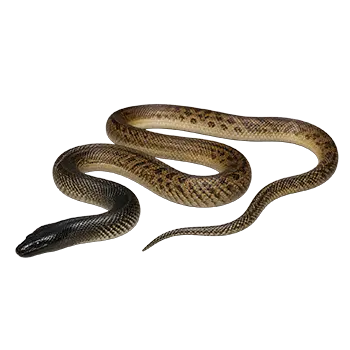
A reliable snake hook is one of the most important accessories for any keeper working with a medium to large python. Snake hooks allow you to gently lift and guide the snake without direct hand contact during the initial moments of interaction, which is when a startled or defensive snake is most likely to strike. For Black-Headed Pythons — which can be head-shy and may react defensively to sudden overhead movement — a hook provides a calm, non-threatening way to initiate handling sessions.

Snake hooks come in various lengths and styles, and choosing the right one depends on the size of your snake and your handling context. A hook approximately two-thirds the length of the snake is generally practical for lifting and repositioning. Look for hooks with a smooth, rounded tip that will not snag scales, and a comfortable, non-slip grip. Collapsible or telescoping hooks are convenient for storage and travel but should be checked regularly to ensure the locking mechanism remains secure.

In addition to hooks, snake tongs can be useful for specific tasks such as removing shed skin, retrieving items from the enclosure, or managing an uncooperative animal during cage maintenance. Tongs should have a gentle grip — rubber-coated tips are preferable — to avoid injuring the snake. They are not meant for picking up the snake by its body, which can cause bruising and stress, but rather for indirect manipulation of objects near the animal.

For routine handling, most keepers find that once the snake has been gently lifted with a hook and recognizes that it is being handled rather than threatened, it can be supported with both hands. Black-Headed Pythons are generally calm once they realize they are not in danger, though individual temperaments vary. The hook serves as the critical transition tool between the snake's resting state and a calm handling session.

Thermometers, Hygrometers & Gauges

Accurate environmental monitoring is the backbone of good reptile husbandry, and for Black-Headed Pythons, maintaining precise temperature and humidity ranges is essential to the animal's health. Every enclosure should be equipped with at least two thermometers — one on the warm side and one on the cool side — along with a hygrometer to track relative humidity. Digital probe-style instruments are strongly recommended over analog dial gauges, which are frequently inaccurate by several degrees or percentage points.

Digital thermometer-hygrometer combo units are widely available and offer a convenient way to monitor both parameters with a single device. Units that include an external probe on a wire allow you to place the sensor at substrate level where the snake actually lives, while mounting the display unit on the outside of the enclosure for easy reading. This arrangement provides far more useful data than a sensor mounted on the enclosure wall at mid-height, which measures air temperature rather than the thermal conditions the snake experiences.

Infrared temperature guns are invaluable supplementary tools. These handheld devices allow you to take instant surface temperature readings of basking spots, hides, and substrate surfaces throughout the enclosure without disturbing the animal. They are particularly useful for verifying that thermostat-controlled heat sources are delivering the intended temperatures at the actual contact surface. A basking spot that reads the correct air temperature at probe height may be significantly hotter or cooler at the substrate surface.

For keepers who want continuous data logging, some digital environmental monitors can record temperature and humidity readings over time and display them as graphs. This allows you to identify trends, spot equipment malfunctions that cause gradual temperature drift, and verify that nighttime temperature drops remain within acceptable ranges. While not strictly necessary for a single-animal setup, data logging becomes increasingly valuable as your collection grows.

Water Dishes & Feeding Accessories

The water dish is one of the most frequently overlooked accessories in a snake enclosure, yet it serves multiple critical functions: hydration, humidity contribution, and soaking. For Black-Headed Pythons, the water dish should be large enough for the snake to coil inside comfortably but heavy enough — or designed with a weighted base — to resist tipping. A spilled water dish in a warm enclosure can rapidly spike humidity and saturate the substrate, creating conditions conducive to scale rot.

Ceramic and heavy-duty resin dishes are the most practical options. They are difficult to overturn, easy to sanitize, and do not leach chemicals into the water. Stainless steel bowls are another hygienic choice, though they tend to be lighter and may need to be secured or placed inside a recessed holder to prevent tipping. Avoid painted or decorative bowls unless the finish is specifically rated as food-safe and non-toxic.

Feeding accessories complement the water dish as essential enclosure tools. Long stainless-steel feeding tongs allow you to present prey items at a safe distance, minimizing the risk of accidental bites during feeding. A dedicated thawing container — a sealed plastic tub used exclusively for warming frozen prey in warm water — keeps the process sanitary and separate from household food preparation areas.

A small digital scale is another valuable feeding accessory. Weighing both your snake and its prey allows you to calculate appropriate prey-to-body-weight ratios and track the snake's growth over time. Consistent record-keeping — date, prey type, prey weight, and snake weight — provides a data-driven foundation for adjusting feeding schedules and catching health changes before they become visible to the naked eye.

Cleaning & Sanitation Supplies

Maintaining a clean enclosure is fundamental to preventing disease in captive Black-Headed Pythons, and having the right cleaning supplies on hand makes routine maintenance efficient and thorough. A reptile-safe disinfectant is the cornerstone of your sanitation kit. Look for products that are effective against bacteria, fungi, and viruses but safe for use in reptile enclosures when properly rinsed. Chlorhexidine-based solutions and veterinary-grade disinfectants formulated for reptile use are among the most reliable options.

For routine spot-cleaning — removing feces, urates, and soiled substrate — disposable gloves, a small scoop or spatula, and a spray bottle of disinfectant are all you need. Spot-clean as soon as waste is noticed to prevent bacterial proliferation and odor development. The surrounding substrate should be removed along with the waste, and a small amount of fresh substrate added to replace what was taken out.

Full enclosure cleanouts should be performed on a regular schedule, typically every four to six weeks depending on the enclosure size and the snake's waste output. During a full cleanout, the snake is temporarily relocated to a secure holding container, all substrate is removed and discarded, and all interior surfaces are scrubbed with disinfectant, rinsed thoroughly with clean water, and allowed to dry before fresh substrate is added and furnishings are returned.

Do not overlook the cleaning of water dishes, hides, and décor items. These should be scrubbed and disinfected during every full cleanout and between cleanouts if they become visibly soiled. Biofilm — the slimy residue that forms inside water dishes — is a common source of bacterial exposure and should be removed every time the water is changed. A dedicated bottle brush or scrub pad kept solely for reptile enclosure use prevents cross-contamination with household cleaning tools.

Transport & Travel Gear

Whether you are taking your Black-Headed Python to a veterinary appointment, relocating it during a deep enclosure clean, or transporting it to a new home, having proper travel gear is essential for the safety and comfort of both the snake and the handler. The primary transport container for a snake of this size should be a sturdy, well-ventilated plastic tub or a purpose-built reptile transport bag with secure closures.

Cloth snake bags — typically made from cotton or cotton-blend fabric with a drawstring or knotted closure — are the traditional transport method and remain highly effective. The dark, enclosed environment of a cloth bag calms most snakes, and the material breathes well enough to prevent overheating during short trips. For Black-Headed Pythons, use a bag that is large enough for the snake to rest comfortably but not so oversized that the animal slides around during transit. Double-bagging, where the snake bag is placed inside a second bag or a rigid container, provides an added layer of security.

For longer trips or situations where temperature control is important, insulated transport containers offer protection against ambient temperature extremes. Styrofoam-lined boxes or insulated cooler bags can be paired with heat packs or cold packs — depending on the season — to maintain a stable temperature within the transport container. If using a chemical heat pack, always wrap it in a towel or place it outside the snake bag to prevent direct contact burns.

A temporary holding bin should also be part of your accessory inventory. A simple plastic tub with secure ventilation holes and a tight-fitting lid serves as a safe holding area during enclosure cleanings, veterinary examinations, or any situation where the snake needs to be removed from its primary enclosure for a short period. Line the holding bin with paper towels for easy cleanup and ensure the lid is fastened with clips or weights, as pythons are surprisingly adept at pushing against unsecured lids.

Record Keeping & Husbandry Logs

While not a physical product in the traditional sense, a well-maintained husbandry log is one of the most valuable accessories a Black-Headed Python keeper can invest in. Tracking key data points over time provides a clear picture of the animal's health trajectory and establishes baselines that make it far easier to detect problems early. At minimum, a husbandry log should record feeding dates and prey details, weight measurements, shedding events, and any behavioral observations.

Dedicated reptile record-keeping journals are available commercially and typically include pre-formatted pages for tracking the most relevant data points. These can be a good option for keepers who prefer a tactile, handwritten approach. Alternatively, spreadsheet applications or dedicated reptile husbandry tracking software offer the advantage of easy data analysis, graph generation, and cloud-based backup so records are never lost.

Feeding records should note the date, prey type, prey size or weight, whether the snake accepted or refused the meal, and any observations about feeding behavior — such as a sluggish strike response or prolonged constriction. Over time, these records reveal patterns such as seasonal appetite cycles, preferred prey types, and optimal feeding intervals for your specific animal.

Shedding records are equally valuable. Note the date the snake enters blue — the opaque pre-shed phase — the date the shed is completed, and whether the shed came off in one piece or required assistance. Chronic incomplete sheds can indicate environmental issues such as low humidity or an underlying health concern. Weight records, taken on a consistent schedule using the same scale, allow you to track growth in juveniles and body condition in adults. A graph of weight over time is one of the most informative tools for assessing the overall health of a captive snake.

Veterinary visit records, medication histories, and environmental parameter notes round out a comprehensive husbandry log. When you eventually need to consult a reptile veterinarian — and over a twenty-to-thirty-year lifespan, you almost certainly will — arriving with detailed records dramatically improves the quality of care the veterinarian can provide.

Always consult a qualified professional before making any health-related decisions. This content is provided for informational reference only and should not replace professional guidance specific to your animal.